 SCREWS
 NUTS
NUTS
 BOLTS
BOLTS
 WASHERS
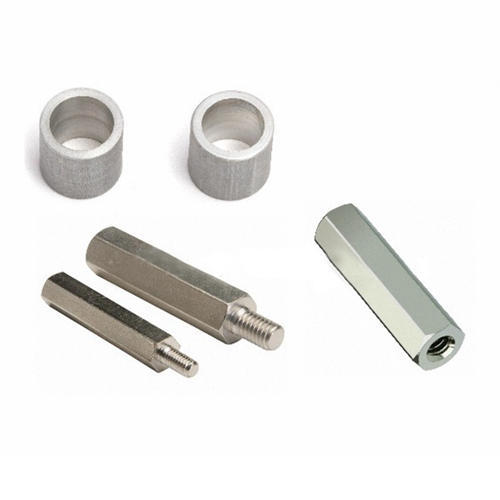 SPACERS & STANDOFFS
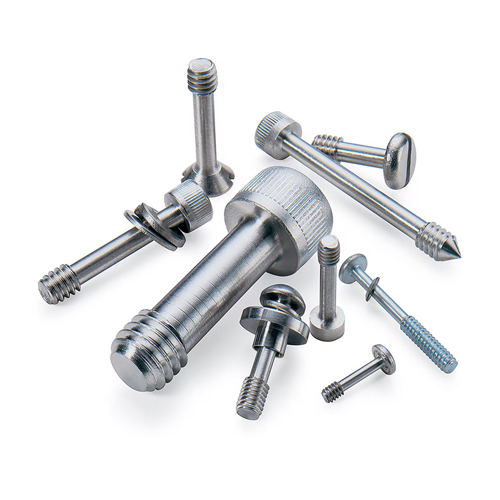 PRECISION/CUSTOM PARTS
 PINS
PINS
 WIRE HANDLING
 INSERTS
 ANCHORS
 DRILL BITS, TAPS, & DIES
 ABRASIVES & SAWBLADES
 SAFETY EQUIP.
 MISC.
MISC.
 MATERIAL TYPES
 PLATING TYPES
Industrial Applications of Socket Head Cap Screws and Button Head Socket Screws
Created at : Mar 12, 2026
In industrial environments where reliability, strength, and precision are critical, the selection of the correct fastener plays an important role in overall equipment performance. Among the most widely used internal-drive fasteners are socket head cap screws and button head socket screws. Both utilize a hexagonal socket drive that allows them to be tightened with an Allen wrench, making them ideal for assemblies where space is limited or where precise torque control is required.
Although these fasteners share a similar drive style, their design, strength, and industrial applications differ significantly. Understanding where each fastener excels helps engineers and manufacturers select the best hardware for their equipment.
What Are Socket Head Cap Screws?
Socket head cap screws (SHCS) are high-strength fasteners characterized by a cylindrical head with a flat top and deep internal hex socket. They are typically manufactured from heat-treated alloy steel, often meeting Class 12.9 strength requirements, making them capable of handling substantial loads.
The design of the socket head cap screw allows the head to fit into counterbored holes, meaning the head can sit flush with or below the surface of a component. This feature makes them extremely useful in precision machinery and confined assembly spaces where traditional hex bolts would require more clearance.
Key Advantages
Socket head cap screws are favored in industrial settings for several reasons:
- High tensile strength and clamping force
- Compact head diameter for tight spaces
- Ability to be recessed into components
- High torque capability
- Excellent resistance to loosening under vibration
Because of these characteristics, socket head cap screws are commonly used in heavy-duty machinery, equipment manufacturing, and industrial automation systems.
Industrial Applications of Socket Head Cap Screws
Heavy Machinery and Equipment
One of the most common uses of socket head cap screws is in industrial machinery assemblies. Equipment such as CNC machines, industrial presses, and automated production systems rely on these fasteners to secure critical structural components.
Their ability to withstand high loads and maintain strong clamping force helps ensure that machinery remains stable and precisely aligned during operation.
Tooling, Dies, and Fixtures
Socket head cap screws are frequently used in tool and die applications, including:
- Injection molds
- Metal stamping dies
- Fixture plates
- Machine tool holders
Because the heads can be recessed into the tooling surface, they allow components to remain smooth and unobstructed, which is particularly important for molds and precision tooling setups.
Automotive and Heavy Equipment Manufacturing
Manufacturers of construction equipment, agricultural machinery, and industrial vehicles often rely on socket head cap screws for critical assemblies. Their strength and reliability make them suitable for fastening components exposed to constant vibration, mechanical stress, and heavy loads.
Typical applications include:
- Gear housings
- Engine components
- Hydraulic equipment
- Structural brackets
Power Transmission Equipment
In power transmission systems, fasteners must maintain tight connections despite continuous motion and load changes. Socket head cap screws are commonly used in:
- Bearing housings
- Motor mounts
- Coupling assemblies
- Gearboxes
Their high torque capacity allows them to provide the secure clamping force necessary for rotating mechanical systems.
What Are Button Head Socket Screws?
Button head socket screws feature a low-profile, rounded head with an internal hex drive. While they are also commonly made from alloy steel or stainless steel, their design is optimized more for clearance and appearance than maximum clamping force.
The broader, rounded head distributes load over a larger area, making button head screws useful in applications where thin materials or surface protection are concerns.
Industrial Applications of Button Head Socket Screws
Although button head socket screws are not typically used in primary structural assemblies, they are still very useful in many industrial applications.
Machine Guards and Safety Panels
Industrial machinery often includes protective covers and safety guards that allow access for maintenance while protecting operators from moving parts.
Button head screws are commonly used to secure:
- Equipment covers
- Safety panels
- Machine guarding systems
The rounded head reduces the risk of snagging clothing or equipment, improving workplace safety.
Sheet Metal Assemblies
Many industrial enclosures and housings are made from sheet metal. The wide head surface of a button head screw helps distribute clamping force across thin materials without causing deformation.
Typical examples include:
- Control cabinet panels
- Electronic enclosures
- Industrial instrumentation housings
Conveyor Systems and Material Handling Equipment
Conveyor systems and automated material handling equipment often require fasteners that provide a smooth surface profile. Button head socket screws are commonly used to secure:
- Guide rails
- Sensor brackets
- Conveyor guards
The low-profile design helps prevent interference with moving products or equipment components.
Stainless Steel Applications
Button head screws are frequently used in stainless steel versions for environments where corrosion resistance is essential. These applications include:
- Food processing equipment
- Pharmaceutical manufacturing systems
- Marine environments
- Chemical processing plants
In these settings, the combination of corrosion resistance and smooth head design makes them an effective fastening solution.
Comparing Socket Head Cap Screws and Button Head Screws
While both fasteners share the same hex socket drive, their differences make each better suited for specific industrial applications.
Socket head cap screws and button head socket screws differ in several important ways that influence where they are used. Socket head cap screws feature a tall, cylindrical head, while button head socket screws have a rounded, low-profile head.
In terms of performance, socket head cap screws provide very high strength and torque capacity, making them suitable for machinery and structural assemblies where strong clamping force is required.
Button head socket screws offer moderate strength and lower torque capacity, which makes them better suited for panels, covers, and sheet metal components rather than primary load-bearing applications.
Clearance requirements also differ between the two; socket head cap screws typically require a counterbored hole so the head can sit flush, whereas button head screws have minimal head height, allowing them to be used in applications where space and surface clearance are limited.
In most heavy-duty industrial equipment, socket head cap screws provide the strength and clamping force needed for structural fastening, while button head screws are used for protective covers, guards, and secondary components.
Choosing the Right Fastener for Industrial Applications
Selecting the correct fastener for an industrial assembly depends on several factors, including:
- Required clamping force
- Available space for installation
- Exposure to vibration or heavy loads
- Material compatibility
- Environmental conditions such as corrosion or moisture
Engineers must balance these considerations to ensure that fasteners deliver both long-term reliability and optimal performance in demanding operating environments.
Reliable Industrial Fasteners
Both socket head cap screws and button head socket screws play valuable roles in industrial equipment manufacturing. When used appropriately, these fasteners provide secure connections, reliable performance, and efficient installation in a wide range of industrial systems.
For manufacturers, maintenance teams, and equipment designers, understanding the strengths of each fastener type helps ensure that assemblies remain safe, durable, and capable of handling the demands of modern industrial operations.