 SCREWS
 NUTS
NUTS
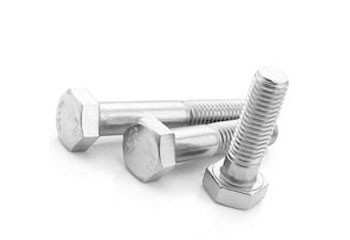 BOLTS
BOLTS
 WASHERS
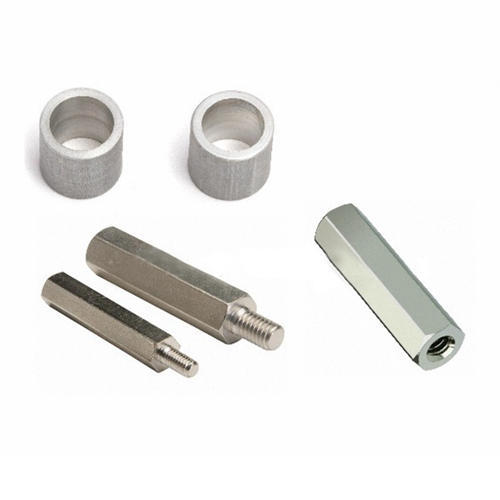 SPACERS & STANDOFFS
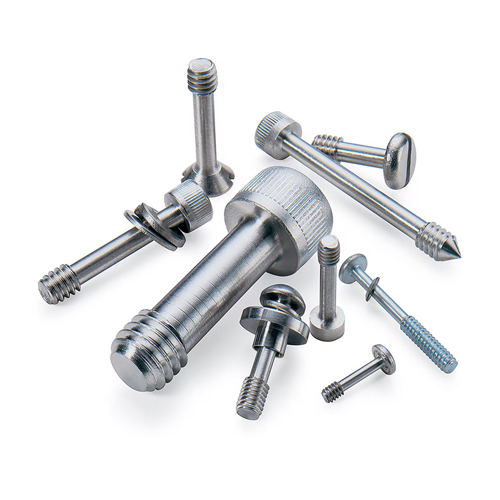 PRECISION/CUSTOM PARTS
 PINS
PINS
 WIRE HANDLING
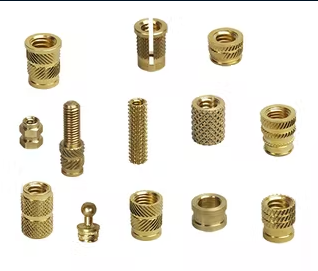 INSERTS
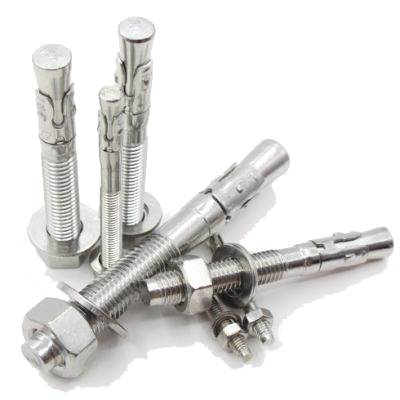 ANCHORS
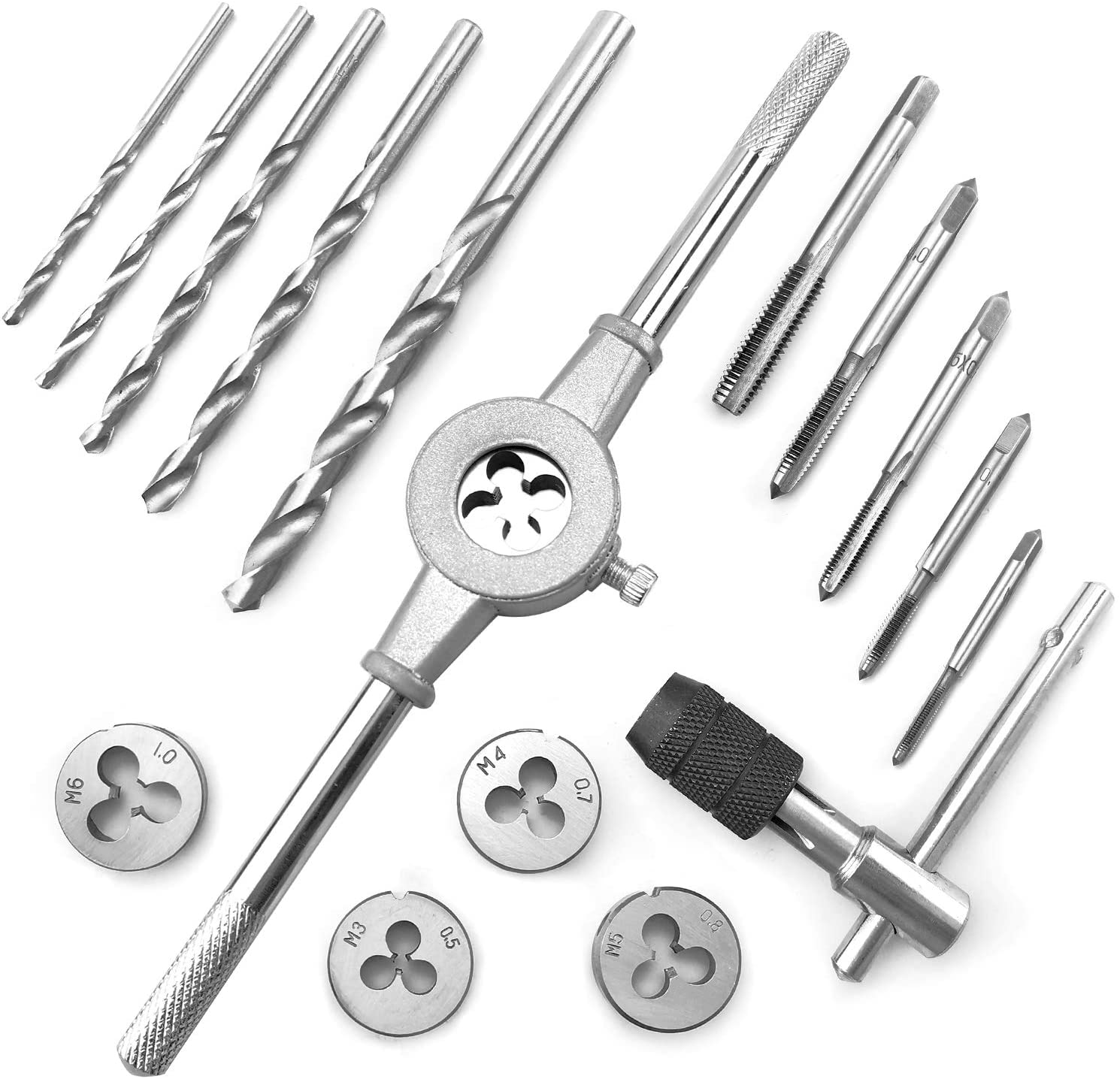 DRILL BITS, TAPS, & DIES
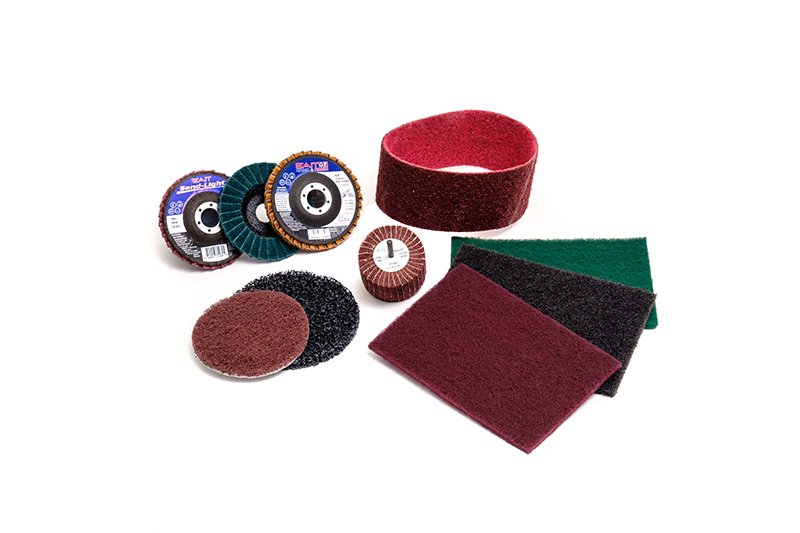 ABRASIVES & SAWBLADES
 SAFETY EQUIP.
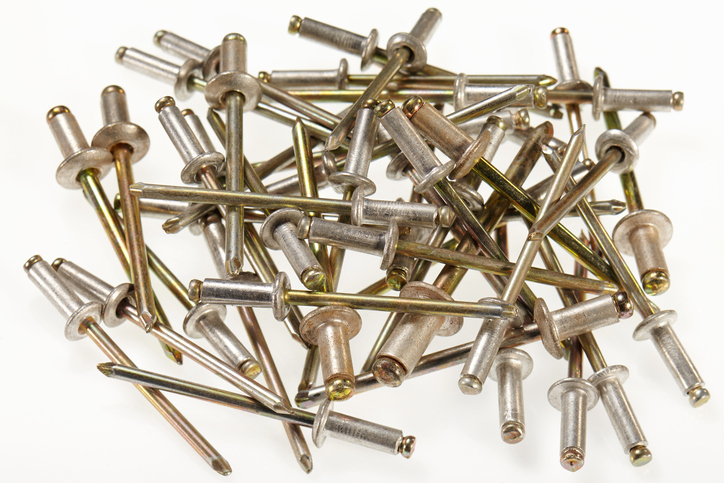 MISC.
MISC.
 MATERIAL TYPES
 PLATING TYPES
Metric Bolts: Small Components That Keep Global Industry Moving
Created at : Aug 27, 2026
Walk through a manufacturing plant, repair shop or equipment maintenance facility and there is a good chance you will encounter metric bolts. These essential fasteners are used throughout modern industry, securing everything from automotive components and production machinery to construction equipment, pumps, motors and fabricated assemblies.
As manufacturing has become increasingly global, metric hardware has become an everyday requirement for American companies as well. Equipment built domestically may incorporate imported components, while machinery manufactured in Europe or Asia commonly arrives with metric fasteners throughout its assemblies.
For businesses that need dependable metric bolts and industrial fasteners, having access to the right sizes, thread pitches and strength classes can make the difference between a straightforward repair and unnecessary equipment downtime.
What Are Metric Bolts?
Metric bolts perform the same basic job as inch-series bolts: they create strong, removable connections between components. The primary difference is the measurement system used to specify them.
Metric bolts are measured in millimeters rather than fractions of an inch. Their diameter, thread pitch and length are therefore expressed using metric dimensions.
For example, a bolt identified as M10 x 1.5 x 50 has a nominal thread diameter of 10 millimeters, a thread pitch of 1.5 millimeters and a length of 50 millimeters.
The "M" designation identifies it as a metric thread.
Metric bolts are manufactured in numerous diameters, lengths, thread configurations and strength classes, allowing engineers and manufacturers to select fasteners appropriate for applications ranging from relatively light-duty assemblies to demanding industrial equipment.
Where Are Metric Bolts Used?
One reason metric bolts are so important is the enormous variety of equipment that relies on them.
Automotive manufacturing is perhaps the most familiar example. Metric bolts are commonly found throughout cars and trucks, including engines, transmissions, suspension components, brackets and body assemblies. Technicians working on modern vehicles consequently need access to a wide assortment of metric fasteners.
Industrial machinery represents another major application. CNC machines, conveyors, pumps, motors, packaging equipment, robotic systems and automated production machinery may contain hundreds or even thousands of fasteners. When equipment needs to be assembled, modified or repaired, technicians must be able to identify and source the correct replacement hardware.
Metric bolts are also frequently used in agricultural and construction equipment. Tractors, excavators, loaders, hydraulic equipment and specialized attachments increasingly incorporate metric components as manufacturers source parts and equipment internationally.
Beyond heavy industry, metric hardware can be found in HVAC equipment, appliances, electrical equipment, transportation systems, furniture and countless manufactured products.
In other words, metric bolts may be small, but their role in keeping modern equipment operating is enormous.
Why Global Manufacturing Has Increased the Need for Metric Fasteners
Today's industrial supply chain rarely stops at national borders.
A U.S. manufacturing facility might operate an American-made conveyor beside a German CNC machine and a Japanese robotic system. Individual machines may also contain motors, bearings, controls or other components sourced from several different countries.
As a result, maintenance departments frequently need both inch and metric fasteners.
This is particularly important when production equipment goes down. A missing or damaged bolt may cost very little compared with the machinery surrounding it, but an unavailable replacement fastener can delay a repair and keep valuable equipment out of production.
Reliable access to metric bolts, nuts, washers and other industrial fasteners helps maintenance departments respond quickly when repairs are needed.
Understanding Metric Bolt Strength Classes
Size isn't the only consideration when choosing a metric bolt. Strength is equally important.
Metric bolts commonly use property-class markings such as 8.8, 10.9 and 12.9. These designations provide information about the mechanical properties of the fastener.
Higher-strength bolts may be required for machinery, automotive components, structural assemblies and other applications where fasteners are subjected to substantial loads.
That means replacing a metric bolt isn't simply a matter of finding another bolt that fits through the same hole. Engineers, technicians and maintenance professionals must consider the original fastener specification and the requirements of the application.
Using a fastener with an inappropriate strength rating can affect the reliability and safety of the entire assembly.
Metric Thread Pitch Matters
Another important consideration is thread pitch.
Metric bolts can be manufactured with different thread pitches. The thread pitch describes the distance from one thread to the next and is typically expressed in millimeters.
Coarse metric threads are widely used because they provide a practical combination of strength, durability and ease of assembly. Fine threads may be selected when an application requires particular adjustment, clamping or design characteristics.
The important point is that the bolt and mating thread must match.
A bolt with the correct diameter but the wrong thread pitch is not the correct fastener.
Metric and Inch Bolts Are Not Interchangeable
One of the easiest mistakes to make when replacing a fastener is assuming that a metric bolt and an inch bolt that look almost identical can be substituted for one another.
They generally cannot.
Some metric and inch fastener dimensions are close enough that the difference may not be immediately obvious. However, their diameters and thread configurations are different.
Attempting to force the wrong fastener into a threaded component can damage the bolt, nut or threaded hole. In expensive machinery, damaging an internal threaded component can turn a simple fastener replacement into a much more complicated repair.
Proper identification is therefore critical.
When replacing an existing bolt, technicians should verify the diameter, thread pitch, length and required strength rather than choosing a fastener based on appearance alone.
Choosing Metric Bolts for Industrial Applications
The correct metric bolt ultimately depends on what it is being asked to do.
An OEM assembling new equipment may have precise engineering specifications for every fastener. A fabrication shop may need hardware for a new assembly, while a maintenance department may simply need to replace damaged or missing bolts in existing machinery.
Regardless of the situation, proper fastener selection helps create reliable connections and reduces the likelihood of premature failure.
Environmental conditions can also influence fastener selection. Exposure to moisture, chemicals, vibration, temperature changes and other operating conditions may affect the appropriate material, finish or fastener design.
For demanding applications, working with a knowledgeable fastener supplier can simplify the sourcing process and help industrial buyers locate hardware that matches their requirements.
Looking for Metric Bolts? Turn to TS Fasteners
Fasteners may represent only a small portion of an industrial assembly, but they perform an essential job. When the right bolt isn't available, production, maintenance and assembly operations can quickly come to a halt.
TS Fasteners supplies fastener solutions for customers who need dependable hardware for manufacturing, fabrication, construction, equipment maintenance and other industrial applications.
Whether you're sourcing fasteners for an ongoing production requirement or trying to locate replacement hardware for equipment in the field, having a knowledgeable supplier can make the process easier.
As industrial equipment becomes increasingly global, the demand for metric bolts and metric fasteners will only continue to grow. From machinery and automotive equipment to fabricated assemblies and maintenance operations, metric hardware helps hold together the equipment that keeps industry moving.
When you need the right fastener for the job, TS Fasteners is ready to help you find it.