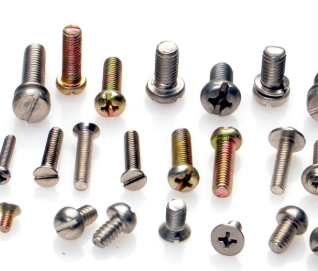
 SCREWS
 NUTS
NUTS
 BOLTS
BOLTS
 WASHERS
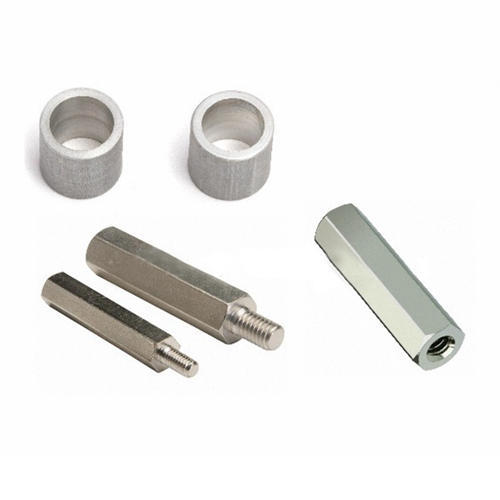 SPACERS & STANDOFFS
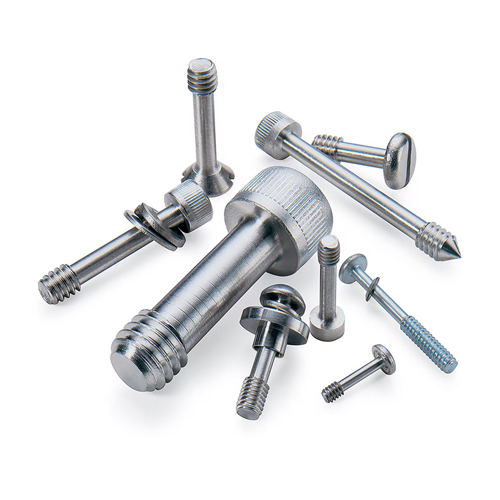 PRECISION/CUSTOM PARTS
 PINS
PINS
 WIRE HANDLING
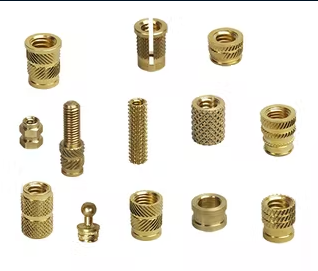 INSERTS
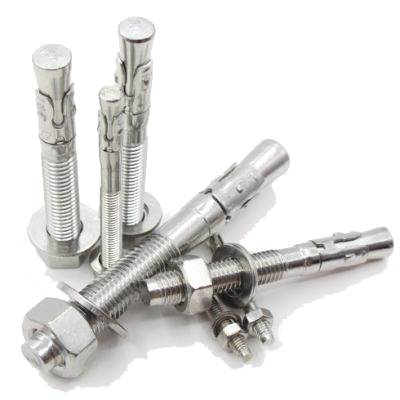 ANCHORS
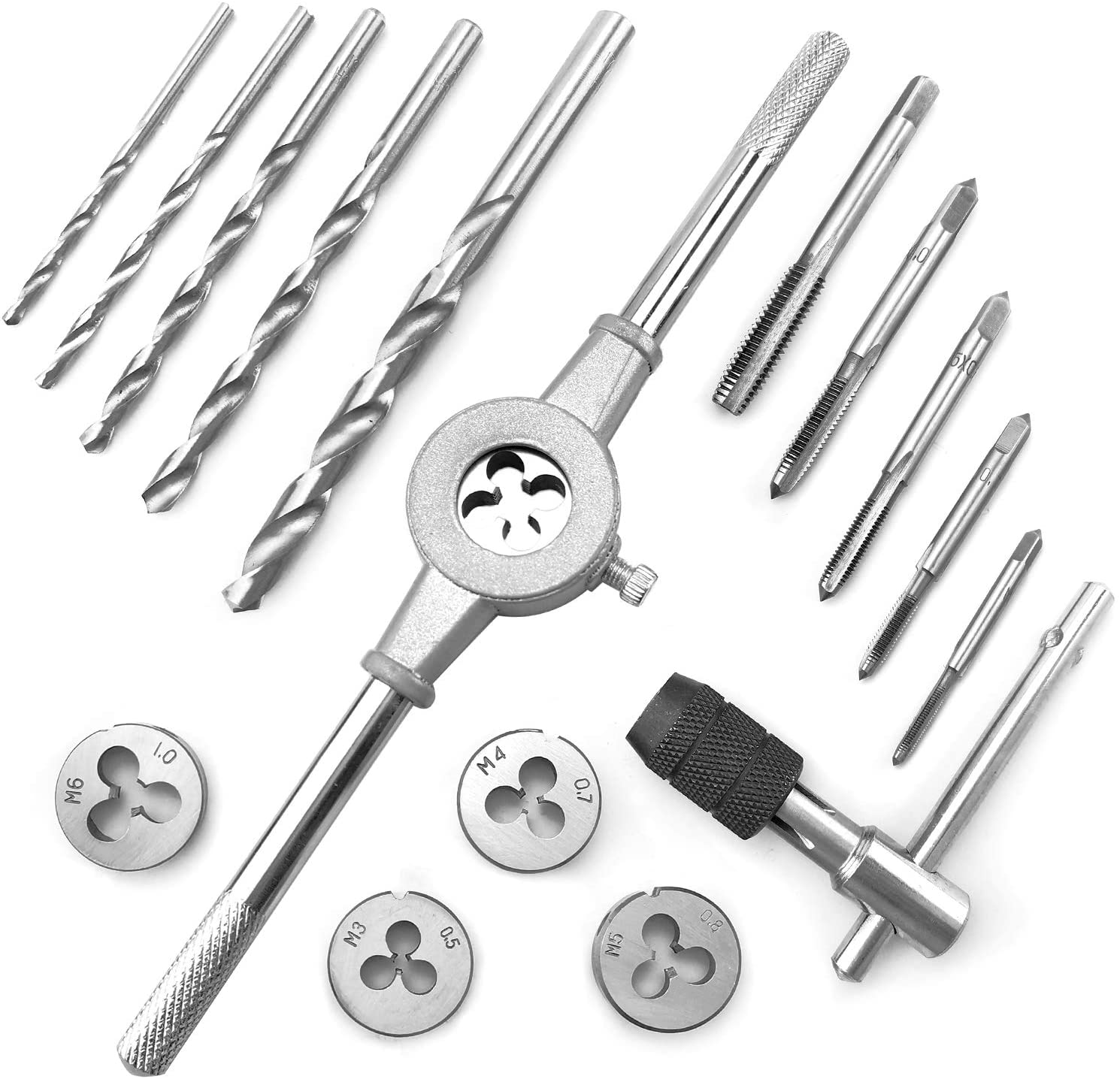 DRILL BITS, TAPS, & DIES
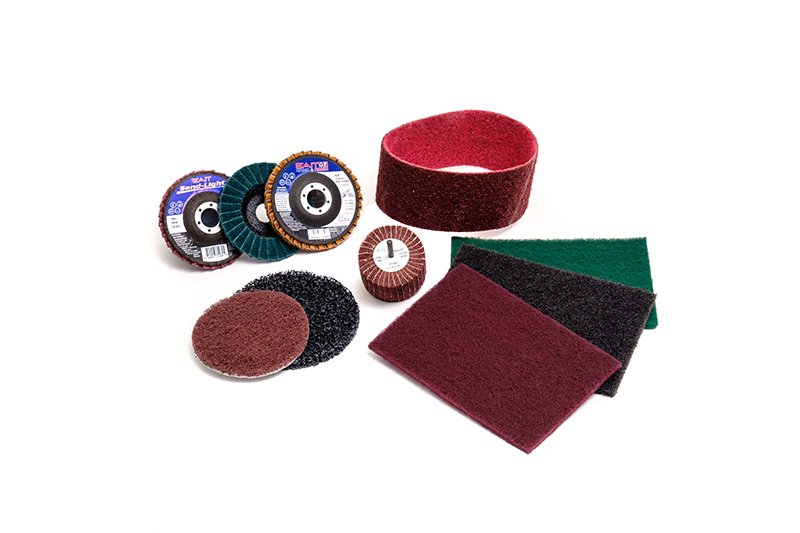 ABRASIVES & SAWBLADES
 SAFETY EQUIP.
 MISC.
MISC.
 MATERIAL TYPES
 PLATING TYPES
Captive Panel Screws: Small Fasteners That Make Industrial Equipment Easier to Maintain
Created at : Sep 11, 2026
Fasteners are usually designed to be removed. Sometimes, however, keeping the fastener exactly where it belongs is just as important as securing the components together. That is the idea behind captive panel screws.
Captive panel screws provide a practical fastening solution for access panels, equipment covers, electrical enclosures, machinery, electronics, and other assemblies that need to be opened periodically. Unlike a conventional screw that separates completely from the panel when removed, a captive screw is designed to remain attached to the panel after it has been loosened from its mating threads.
It may seem like a small distinction, but it can make a substantial difference in industrial environments. Captive panel screws help prevent lost hardware, simplify maintenance, reduce the possibility of loose fasteners entering equipment, and make frequently serviced assemblies easier to work with.
For manufacturers, maintenance departments, equipment builders, and other industrial customers searching for a captive panel screw and related fastening products, TS Fasteners can help identify fastening solutions suited to the requirements of the application.
What Are Captive Panel Screws?
A captive panel screw is a fastener that is retained within a panel or component even when it is no longer engaged with the mating thread.
During installation, the captive screw performs the familiar job of drawing two components together and holding them securely. When a technician needs access behind the panel, however, the screw can be loosened without being completely separated from the panel.
Depending on the fastener design, retention may be accomplished through a washer, ferrule, clip, spring, unthreaded shank section, or another mechanical feature. The specific configuration varies, but the objective remains the same: the screw stays with the panel.
This feature makes captive screws particularly valuable anywhere equipment must be opened and closed repeatedly.
Why Use Captive Panel Screws Instead of Standard Screws?
Imagine a technician servicing a piece of industrial equipment with an access cover secured by several conventional machine screws. Every screw must be completely removed and placed somewhere while the technician works. If one rolls under the machine, falls into the enclosure, or simply disappears, an otherwise routine maintenance procedure becomes more complicated.
Captive panel screws eliminate much of that inconvenience.
The technician can loosen the screws, remove or reposition the panel, complete the required work, and reinstall the panel using the same fasteners that are already attached to it. There is no separate handful of hardware to manage.
For equipment that may be serviced hundreds of times during its operating life, that convenience can translate into meaningful improvements in efficiency.
Captive Screws Help Prevent Lost Fasteners
One of the simplest reasons to specify captive screws is also one of the most important: small fasteners are easy to lose.
Maintenance technicians frequently work in environments where keeping track of individual screws is difficult. Access may be limited, lighting may be poor, equipment may be positioned overhead, or technicians may need to wear gloves and other personal protective equipment.
A dropped screw can mean searching the floor for hardware, finding a replacement, or delaying reassembly.
With captive panel screws, the fasteners remain associated with the component where they belong. When the panel comes off, its screws come with it.
Reducing Loose Hardware Inside Equipment
A missing screw isn't always just an inconvenience. In some industrial applications, it can become a serious problem.
A loose metal fastener inside an electrical enclosure, electronic system, machine, vehicle, or other sensitive assembly can potentially interfere with moving components or electrical systems. In applications where foreign object debris is a concern, preventing loose hardware from entering the equipment can be especially important.
Captive fasteners provide a simple way to reduce this risk.
Because the screws remain retained by the panel when disengaged, there is less opportunity for a technician to accidentally drop one into the equipment during inspection or maintenance.
This advantage helps explain why captive fastening systems can be found in industries ranging from industrial machinery and electronics to transportation, telecommunications, and aerospace.
Faster Access for Maintenance and Service
Modern industrial equipment is increasingly designed with maintainability in mind. Filters need to be replaced. Electrical components require inspection. Controls need adjustment. Machines require lubrication, cleaning, troubleshooting, and repairs.
When an access panel must be removed frequently, the fastening method can affect how efficiently those jobs are completed.
Captive panel screws simplify the process because technicians do not have to completely remove and organize individual fasteners. The screws can simply be loosened until the panel is released.
Once the work is complete, the panel can be returned to position and the existing captive screws tightened again.
For a single maintenance procedure, the time savings may seem minor. Across many machines, technicians, service calls, and years of operation, however, seemingly small improvements can add up.
Common Industrial Applications for Captive Panel Screws
Captive panel screws are useful wherever a removable panel needs secure fastening combined with convenient access. Electrical cabinets and control panels are good examples. Technicians frequently need access to wiring, controllers, switches, relays, circuit protection devices, and other components housed inside these enclosures.
Industrial machinery is another natural application. Machine covers, guards, inspection panels, and service doors may need to be opened during routine maintenance or troubleshooting.
Captive fasteners are also widely suited to electronics and communications equipment. Server racks, telecommunications cabinets, electronic chassis, instrumentation, and similar systems can contain numerous removable panels. Keeping fasteners attached to those panels makes servicing considerably easier.
Transportation equipment, HVAC systems, test equipment, manufacturing systems, and specialized machinery can benefit for the same reason. Whenever designers expect a panel to be removed repeatedly, captive screws deserve consideration.
Captive Panel Screws Can Support Better Equipment Design
The benefits of captive screws extend beyond maintenance departments. They can also help engineers design products that are easier for customers and technicians to use.
Design for serviceability is an important consideration for many types of industrial equipment. A machine may perform exceptionally well, but unnecessarily difficult routine maintenance can increase downtime and frustrate the people responsible for keeping it operational.
Fastener selection is one small part of creating service-friendly equipment.
Using captive panel screws on frequently accessed areas means technicians don't need a container for removed screws and don't have to determine which fastener belongs in which location during reassembly. The required hardware is already positioned where it will be needed.
This can create a cleaner and more intuitive servicing process.
Choosing the Right Captive Panel Screw
Not every captive screw is appropriate for every panel. Choosing the correct fastener requires considering both the screw itself and the assembly in which it will operate.
Thread size and pitch must match the mating component. Screw length needs to provide sufficient engagement without interfering with components behind the mounting surface. The head and drive style should provide suitable access and torque characteristics.
Material is another consideration. Steel and stainless steel fasteners can provide different combinations of strength, corrosion resistance, and environmental performance. Surface finishes and coatings may provide additional protection or meet specific application requirements.
Engineers may also need to consider panel thickness, retention method, required screw travel, vibration, installation procedure, frequency of access, operating environment, and whether tool-free operation is desirable.
These considerations make working with an experienced industrial fastener supplier valuable, particularly when a customer needs more than a generic off-the-shelf screw.
More Than Just a Screw
Captive panel screws illustrate how seemingly minor hardware decisions can influence the usability of an entire assembly.
The basic function is straightforward: secure a panel while keeping the screw attached when the panel is released. But that simple feature can help solve several common industrial problems simultaneously.
Hardware is less likely to become lost. Maintenance becomes easier. Reassembly is more straightforward. The chance of a loose screw entering sensitive equipment is reduced. Frequently accessed panels become more convenient for technicians to work with.
For equipment designers, manufacturers, maintenance departments, and industrial buyers, those benefits can make captive screws an excellent alternative to conventional removable fasteners.
Find Captive Panel Screws and Industrial Fasteners Through TS Fasteners
Selecting the correct fastener is about more than finding a screw with approximately the right dimensions. Thread configuration, material, finish, head style, strength, environmental conditions, installation requirements, and the way an assembly will be serviced can all affect which fastener is appropriate.
TS Fasteners helps industrial customers source the fasteners and related hardware needed for manufacturing, assembly, maintenance, and repair applications. Whether the requirement involves captive panel screws or another specialized fastening solution, working with a knowledgeable fastener supplier can make it easier to identify products that meet the demands of the application.
Captive panel screws may be small components, but their purpose is important: they provide secure fastening when the equipment is closed and convenient, controlled access when it needs to be opened.
For industrial equipment that must be maintained efficiently and repeatedly, sometimes the best screw is the one that never gets completely removed.