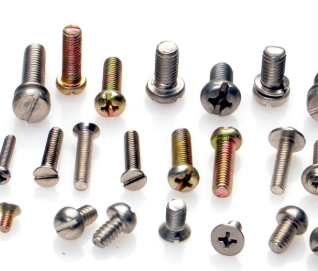
 SCREWS
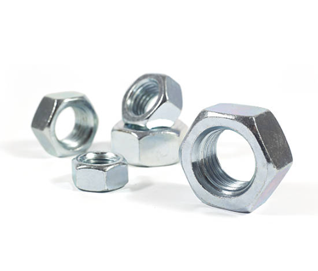 NUTS
NUTS
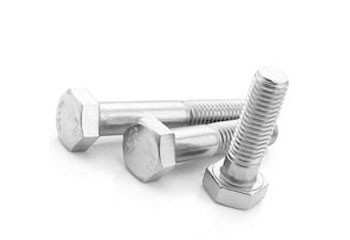 BOLTS
BOLTS
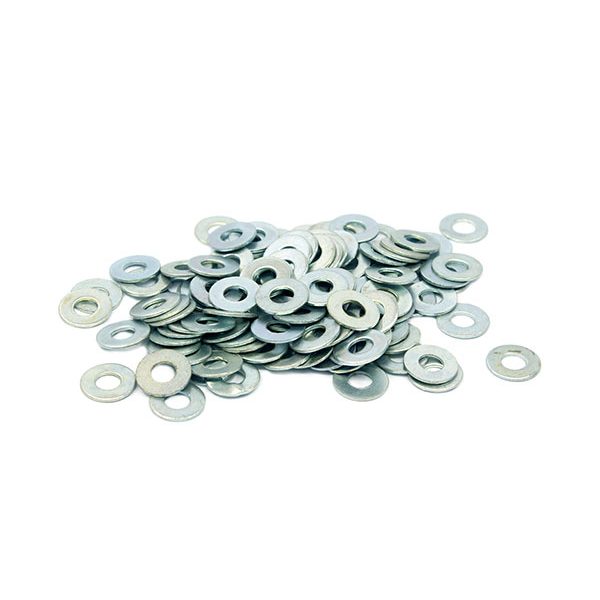 WASHERS
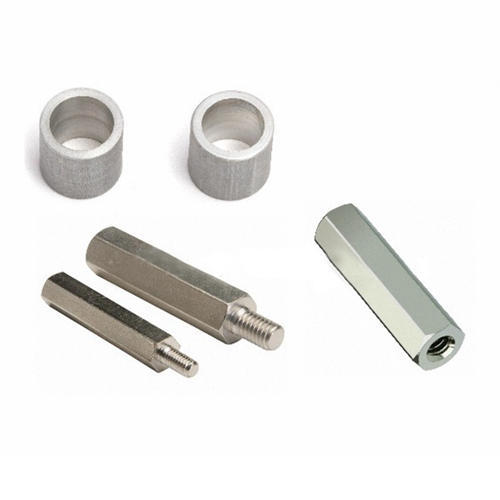 SPACERS & STANDOFFS
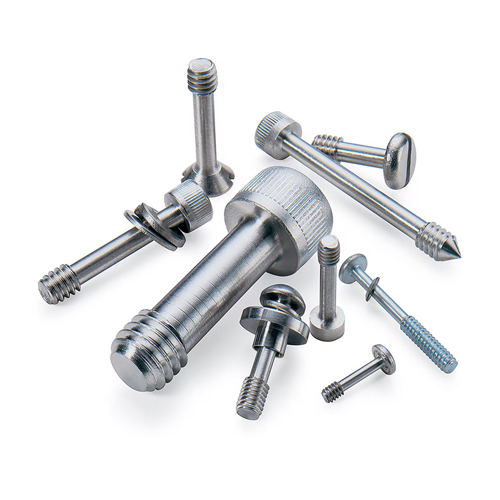 PRECISION/CUSTOM PARTS
 PINS
PINS
 WIRE HANDLING
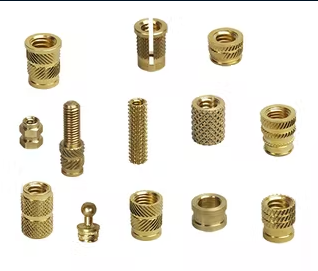 INSERTS
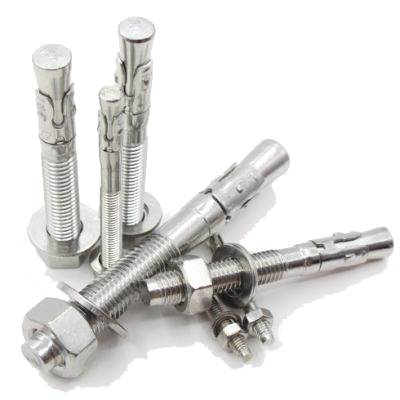 ANCHORS
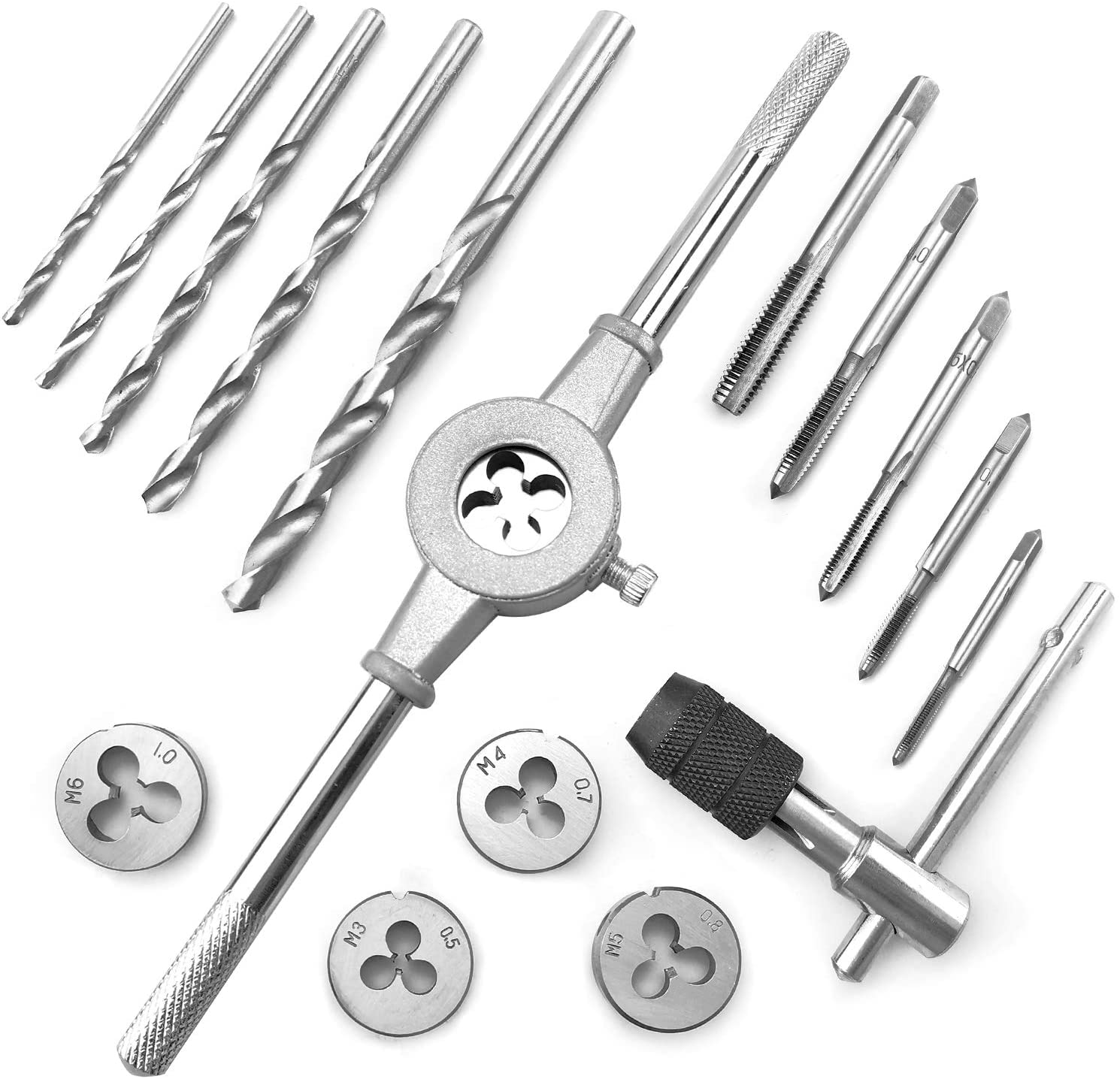 DRILL BITS, TAPS, & DIES
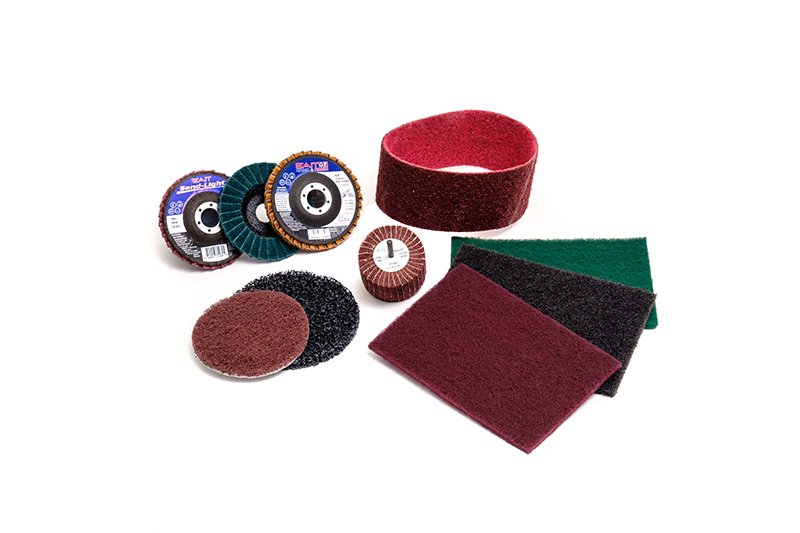 ABRASIVES & SAWBLADES
 SAFETY EQUIP.
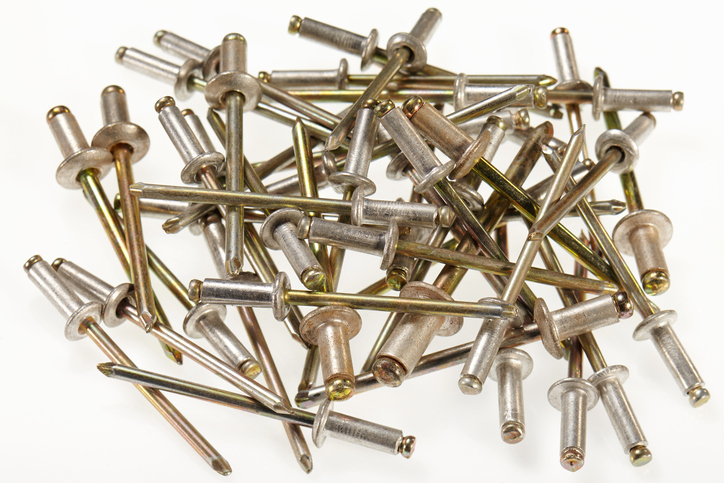 MISC.
MISC.
 MATERIAL TYPES
 PLATING TYPES
Specialty Industrial Fasteners: When Standard Hardware Isn't Enough
Created at : Sep 30, 2026
In industrial manufacturing, even the smallest components can have a significant impact on performance, reliability, and safety. A single bolt, screw, nut, or washer may seem insignificant compared to the machinery or equipment it supports, but choosing the wrong fastener can lead to premature wear, equipment failures, costly maintenance, and production delays.
For many applications, standard hardware simply isn't designed to meet the demands of the operating environment. That's where specialty industrial fasteners become essential.
From high-vibration machinery to precision assemblies and equipment exposed to extreme temperatures or corrosive environments, specialty fasteners provide solutions for challenges that conventional fastening products may not adequately address.
Understanding when specialized fastening solutions are necessary can help manufacturers improve equipment performance, simplify assembly, and reduce long-term operating costs.
What Makes an Industrial Fastener a Specialty Fastener?
Specialty industrial fasteners are fastening components designed or selected to meet requirements beyond those of conventional, general-purpose hardware.
These requirements may involve unusual dimensions, specialized materials, specific mechanical properties, unique head configurations, precise tolerances, or performance characteristics suited to challenging operating conditions.
Unlike standard fasteners commonly used in everyday construction and maintenance, specialty fastening products are often selected for a particular function within an industrial assembly.
For example, a manufacturer producing heavy machinery may require fasteners capable of maintaining joint integrity under repeated vibration. An equipment manufacturer may need corrosion-resistant hardware for exposure to chemicals or moisture. A precision assembly may require low-profile screws that provide secure fastening without interfering with surrounding components.
In each situation, the fastener must do more than simply hold two parts together. It must perform reliably under the specific mechanical and environmental conditions of the application.
Why Specialty Fasteners Matter in Industrial Manufacturing
One of the most common misconceptions about industrial fastening is that stronger hardware is always better. In reality, successful fastener selection involves much more than tensile strength.
The ideal fastener must work with the materials being joined, the loads being applied, the installation process, and the surrounding environment.
A fastener with excessive strength but inadequate corrosion resistance may fail prematurely. A screw with the correct material properties but an unsuitable head design may complicate installation or interfere with equipment operation. A threaded component with incorrect tolerances may create assembly problems even when its basic dimensions appear correct.
Specialty industrial fasteners address these challenges by providing more specific options for critical applications.
For manufacturers, selecting the appropriate fastening products can contribute to more consistent assembly, improved equipment reliability, reduced maintenance requirements, and fewer interruptions caused by hardware-related problems.
Common Types of Specialty Industrial Fasteners
Specialty fastening solutions encompass a broad range of products, each designed to address particular assembly or performance requirements.
Socket Head Cap Screws for Compact, High-Strength Assemblies
Socket head cap screws are frequently used in industrial machinery, tooling, and equipment where compact head dimensions and reliable clamping are important.
Their internal drive configuration allows installation in spaces where external wrench access may be limited. Depending on the application, socket head screws are available in different head styles, materials, and strength grades.
Flat head socket screws are especially useful when a flush mounting surface is necessary, while low-head designs can accommodate assemblies with restricted clearance.
Captive Panel Screws for Equipment Access and Maintenance
In applications requiring frequent access to panels, enclosures, or machinery compartments, captive panel screws provide a practical solution.
These fasteners are designed to remain attached to a panel when loosened, helping prevent lost hardware during inspection or maintenance.
Captive fastening systems are particularly valuable in equipment where loose components could create contamination concerns, interfere with machinery, or complicate service procedures.
Specialty Washers for Load Distribution and Joint Performance
Washers are sometimes treated as secondary components, but their geometry and material properties can significantly influence fastening performance.
Specialty washers may be used to distribute clamping forces, accommodate irregular surfaces, provide spring action, or support particular joint configurations.
Square cone washers, for example, incorporate a distinctive shape that can provide spring characteristics and load support in appropriately designed assemblies.
Choosing the correct washer is especially important when equipment experiences changing loads, repeated movement, or demanding installation conditions.
Specialty Nuts and Threaded Components
Not every industrial assembly can rely on a conventional hex nut.
Depending on the application, manufacturers may require prevailing-torque locknuts, flange nuts, weld nuts, coupling nuts, or other specialized threaded components.
These products can address specific needs involving vibration resistance, installation accessibility, load distribution, or connections between threaded parts.
In applications involving dynamic loads, the locking method and joint design are particularly important. The appropriate solution depends on the equipment's operating conditions and the fastener manufacturer's specifications.
Specialty Industrial Fasteners for Harsh Operating Environments
Industrial equipment often operates in conditions that place unusual demands on fastening components.
High temperatures, chemical exposure, moisture, vibration, and repeated mechanical loading can all influence fastener performance.
In these environments, material selection becomes just as important as fastener geometry.
Stainless steel fasteners may be appropriate for certain corrosive environments, while alloy steel fasteners can provide high mechanical strength where corrosion protection is separately addressed. Other applications may require specialized alloys, coatings, or surface treatments.
However, no single material is suitable for every environment. Stainless steel grades differ in corrosion resistance and mechanical properties, and protective coatings must be evaluated for compatibility with operating temperatures, chemicals, and mating materials.
Selecting specialty fasteners based on actual service conditions helps reduce the risk of premature deterioration and unexpected equipment problems.
The Hidden Cost of Using the Wrong Industrial Fastener
Fasteners generally represent a small percentage of the total cost of industrial machinery or manufactured equipment. Yet their influence on production efficiency can be substantial.
Consider a production line that experiences repeated shutdowns because fastening components loosen under vibration. Replacing the hardware may be inexpensive, but the labor, troubleshooting, interrupted production, and potential damage to surrounding components can quickly become costly.
Similar problems arise when manufacturers select fasteners that are difficult to install, incompatible with mating materials, or insufficiently resistant to the surrounding environment.
This is why evaluating fasteners solely by their purchase price can be misleading.
The true cost of a fastening solution includes installation time, maintenance requirements, replacement frequency, equipment reliability, and the consequences of failure.
In many industrial applications, a carefully selected specialty fastener can provide greater long-term value than a lower-cost general-purpose alternative.
How to Choose the Right Specialty Fastener Supplier
Finding the right fastener is only part of the challenge. Manufacturers also need a dependable sourcing process that supports their production requirements.
Industrial purchasing teams frequently manage complicated inventories involving different sizes, materials, thread configurations, strength grades, and specialty components.
When a particular fastener is difficult to source, production schedules can become vulnerable to delays.
A knowledgeable fastener supplier can help simplify the purchasing process by understanding the requirements of industrial customers and helping identify appropriate sourcing options.
When evaluating specialty industrial fastener suppliers, manufacturers should consider product availability, technical specifications, material requirements, dimensional consistency, lead times, and the ability to support repeat purchasing needs.
For critical applications, documentation and traceability may also be necessary. Depending on the project, buyers may require material certifications, inspection records, or verification that products meet specified industry standards.
Clear communication between engineering, purchasing, and the fastener supplier helps ensure that the products ordered match the actual requirements of the assembly.
Standard, Modified, or Custom: Which Fastening Solution Makes Sense?
Not every unusual fastening requirement calls for a completely custom-manufactured component.
In some cases, an existing specialty fastener may already meet the application's needs. In others, a standard component with a different material, coating, length, or head configuration may provide an appropriate solution.
Custom fasteners become more relevant when the required dimensions, geometry, or performance characteristics cannot be met through available products.
Before pursuing custom manufacturing, it is worth evaluating whether an established specialty fastening product can achieve the same result.
This approach can help manufacturers avoid unnecessary tooling costs, reduce sourcing complexity, and potentially shorten procurement lead times.
A well-defined specification is the starting point. Engineering teams should identify the required dimensions, thread details, materials, mechanical properties, operating environment, and applicable standards before selecting or sourcing the component.
TS Fasteners: Helping Industrial Customers Find the Right Fastening Solutions
Industrial manufacturers need fastening products that support reliable assembly and consistent equipment performance. Whether the application involves specialized screws, bolts, nuts, washers, or other industrial hardware, choosing the appropriate components is an important part of the manufacturing process.
TS Fasteners is a resource for businesses seeking industrial fastening solutions and dependable product sourcing.
For purchasing professionals and manufacturers, working with a fastener supplier that understands the importance of product specifications, application requirements, and reliable procurement can make the sourcing process more efficient.
Instead of treating every fastener as an interchangeable commodity, industrial buyers benefit from identifying the characteristics that matter most to each application.
That includes considering the operating environment, joint requirements, material compatibility, installation methods, and long-term performance expectations.
Find Specialty Industrial Fasteners for Your Next Project
When industrial equipment requires more than ordinary hardware, the right fastening solution can make a meaningful difference.
From precision machinery and industrial equipment to maintenance operations and specialized manufacturing assemblies, specialty industrial fasteners help address challenges that standard fastening products may not be designed to handle.
Selecting the right specialty fastener components begins with understanding the application and partnering with a supplier that recognizes the importance of dependable industrial hardware.
Looking for specialty industrial fasteners? Contact TS Fasteners to discuss your fastening requirements and explore sourcing options for your next industrial project.