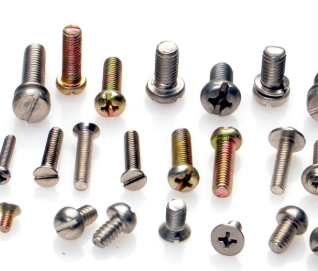
 SCREWS
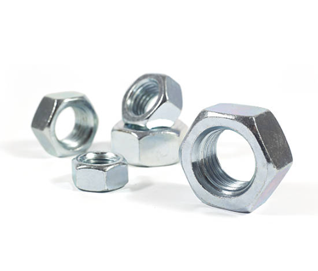 NUTS
NUTS
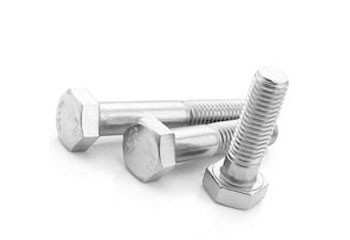 BOLTS
BOLTS
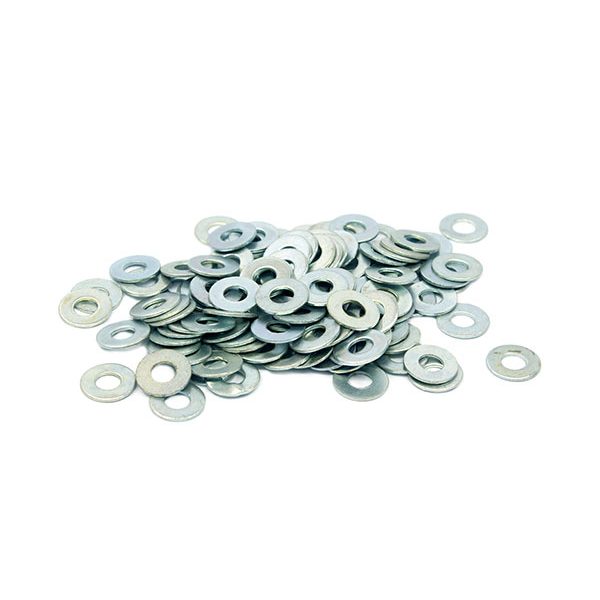 WASHERS
 SPACERS & STANDOFFS
 PRECISION/CUSTOM PARTS
 PINS
PINS
 WIRE HANDLING
 INSERTS
 ANCHORS
 DRILL BITS, TAPS, & DIES
 ABRASIVES & SAWBLADES
 SAFETY EQUIP.
 MISC.
MISC.
 MATERIAL TYPES
 PLATING TYPES
Specialty U-Bolts: Custom-Engineered Fastening Solutions for Demanding Applications
Created at : Feb 27, 2026
In industrial, construction, automotive, and marine environments, standard hardware doesn’t always meet the challenge. When loads increase, environments become more corrosive, or dimensions fall outside the norm, engineers turn to specialty U-bolts — custom-engineered fastening solutions designed for performance, durability, and precision.
While U-bolts may appear simple at first glance, specialty versions play a critical role in ensuring structural stability, equipment reliability, and long-term safety in demanding applications.
What Are Specialty U-Bolts?
A U-bolt is a U-shaped fastener with threaded ends, designed to secure pipe, tubing, or other cylindrical objects to a mounting surface. However, a specialty U-bolt goes beyond standard, off-the-shelf specifications.
Specialty U-bolts are custom-designed to meet specific:
- Shapes
- Dimensions
- Load requirements
- Environmental conditions
- Industry standards
They are engineered for applications where standard U-bolts may not provide adequate strength, corrosion resistance, fit, or durability.
What Makes a U-Bolt “Specialty”?
Several factors distinguish specialty U-bolts from standard versions.
1. Custom Shapes for Unique Applications
Not all applications involve round pipe. Specialty U-bolts can be manufactured in various configurations, including:
- Square U-bolts – Designed for square tubing or structural beams
- Rectangular U-bolts – Used for wide mounting surfaces
- Semi-round U-bolts – Common in specific automotive or structural uses
- Long tangent U-bolts – Featuring extended straight legs before the bend
These shapes ensure proper load distribution and secure fastening for non-standard components.
2. Non-Standard Dimensions
Many applications require dimensions that fall outside standard hardware sizing. Specialty U-bolts may include:
- Extra-long legs
- Oversized diameters
- Tight bend radii
- Custom thread lengths
- Heavy-duty cross-sections
These customizations ensure proper fit, improved strength, and reliable performance under load.
3. Specialized Materials
Environmental exposure often dictates material selection. Specialty U-bolts are commonly manufactured from:
- Stainless steel– Ideal for corrosion resistance in marine, chemical, and outdoor environments
- High-strength alloy steel – Used for heavy load-bearing applications
- Hot-dip galvanized steel – Suitable for outdoor and construction use
- Exotic alloys – Designed for extreme heat or highly corrosive conditions
Material choice directly impacts service life, safety, and maintenance requirements.
4. Protective Coatings
In addition to material selection, specialty U-bolts may include protective finishes such as:
- Zinc plating
- Hot-dip galvanizing
- PTFE coatings
- Powder coating
- Xylan or other corrosion-resistant finishes
These coatings enhance durability, particularly in environments exposed to moisture, chemicals, saltwater, or temperature fluctuations.
How Specialty U-Bolts Are Used
Specialty U-bolts serve a wide range of industries, providing secure clamping and anchoring solutions where performance is critical.
Securing Pipe and Tubing
One of the most common uses for specialty U-bolts is securing pipe or tubing to structural supports.
How It Works:
- The U-bolt wraps around the pipe.
- The threaded legs pass through a mounting plate or bracket.
- Nuts are tightened to clamp the pipe securely in place.
This application is common in:
- Oil and gas pipelines
- Water and wastewater systems
- HVAC installations
- Industrial processing plants
Specialty U-bolts are particularly important when pipes are oversized, exposed to corrosive environments, or subjected to vibration and thermal expansion.
Automotive and Suspension Systems
In automotive applications, especially heavy-duty vehicles, specialty U-bolts play a critical structural role.
They are commonly used to:
- Clamp leaf springs to axles
- Secure suspension components
- Handle dynamic loads from road impact
These U-bolts must withstand constant vibration and fluctuating forces. As a result, they are typically made from high-strength alloy steel and engineered for precise load-bearing capacity.
Failure in this application can lead to serious safety risks, making quality and engineering precision essential.
Structural and Construction Applications
In construction and infrastructure projects, specialty U-bolts are used to anchor and attach structural elements.
Examples include:
- Securing beams or posts
- Fastening signposts and guardrails
- Mounting brackets or utility supports
Square and rectangular U-bolts are particularly useful when working with structural steel or non-cylindrical components. Proper fit ensures even load distribution and long-term structural integrity.
Marine and Corrosive Environments
Marine applications demand corrosion resistance above all else.
Specialty U-bolts are used to:
- Secure piping or railings on vessels
- Mount equipment on docks or offshore platforms
- Anchor hardware exposed to saltwater
Stainless steel or specially coated U-bolts prevent rust, pitting, and premature failure. In these environments, the wrong material choice can lead to costly repairs and safety hazards.
Heavy Equipment and Industrial Machinery
In industrial settings, specialty U-bolts are used to:
- Mount engines or motors
- Secure hydraulic lines
- Hold exhaust systems in place
- Anchor components subject to constant vibration
Industrial equipment often operates under high stress and continuous use. Specialty U-bolts must resist loosening, fatigue, and deformation to ensure reliable long-term performance.
Electrical and Utility Installations
Utility and power infrastructure also rely on specialty U-bolts for:
- Mounting conduit
- Securing cable trays
- Supporting transformers
- Attaching power line hardware
Galvanized or stainless steel U-bolts are common in outdoor installations to withstand weather exposure and environmental stress.
Why Specialty U-Bolts Matter
Using a standard U-bolt in a demanding application can result in:
- Insufficient load capacity
- Improper fit
- Accelerated corrosion
- Premature failure
- Safety risks
Specialty U-bolts are designed to eliminate these risks by meeting exact specifications for:
- Strength
- Size
- Material compatibility
- Environmental resistance
- Industry compliance
In critical applications — such as automotive suspension, pipeline infrastructure, or structural supports — the integrity of the fastening system directly impacts operational safety and longevity.
The Bottom Line
Specialty U-bolts may look simple, but their role in modern industry is anything but basic. From securing pipelines and suspension systems to anchoring structural components and supporting heavy machinery, these custom-engineered fasteners provide strength, stability, and durability where it matters most.
When applications demand more than standard hardware can deliver, specialty U-bolts offer a reliable solution — tailored for performance, built for longevity, and engineered for safety.