 SCREWS
 NUTS
NUTS
 BOLTS
BOLTS
 WASHERS
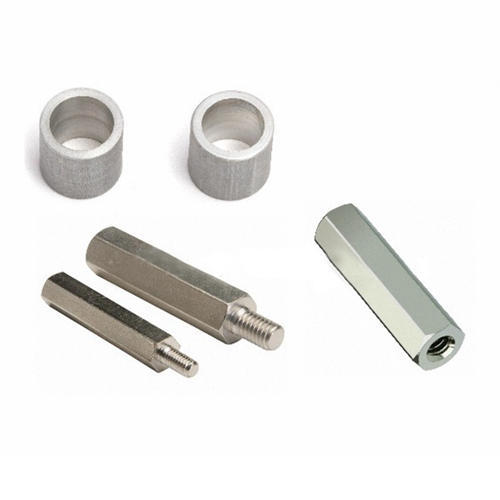 SPACERS & STANDOFFS
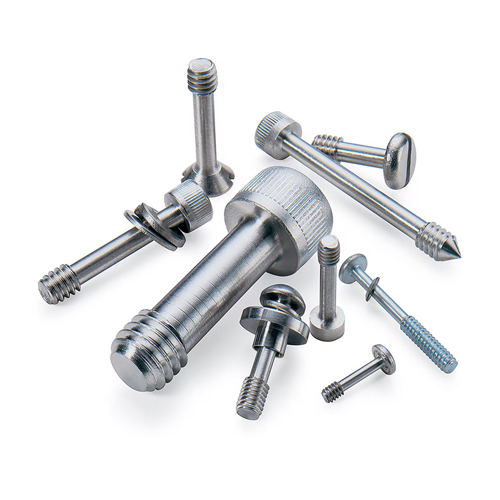 PRECISION/CUSTOM PARTS
 PINS
PINS
 WIRE HANDLING
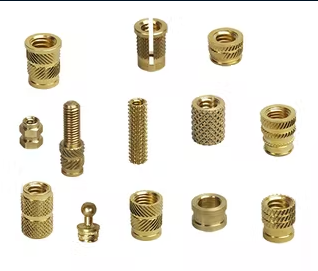 INSERTS
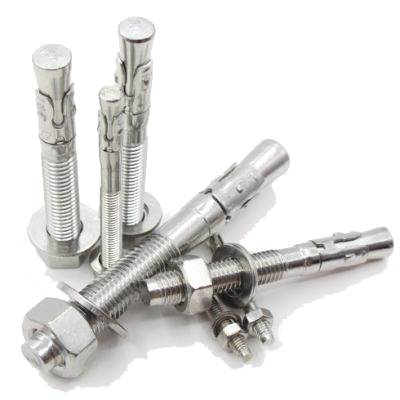 ANCHORS
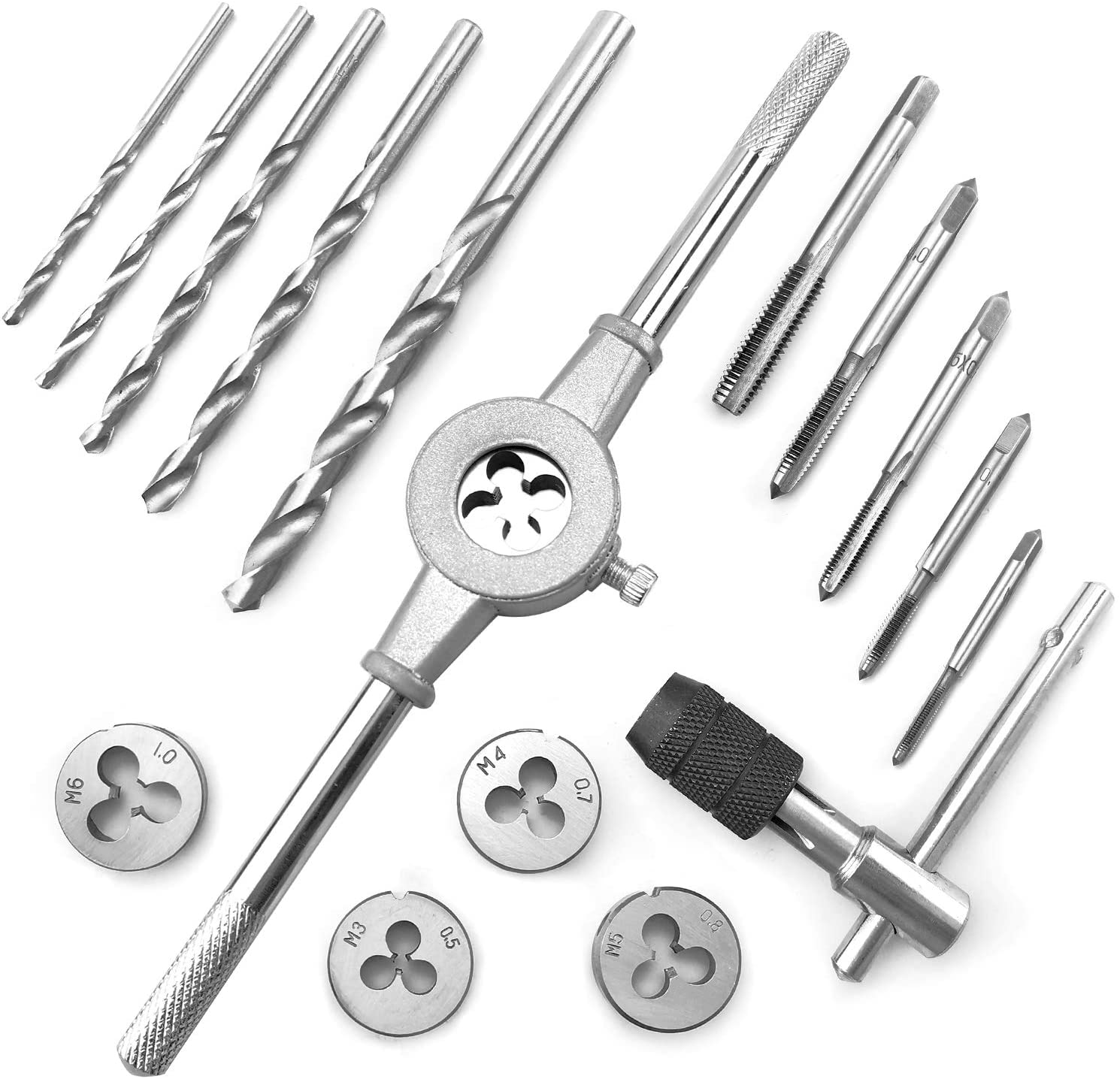 DRILL BITS, TAPS, & DIES
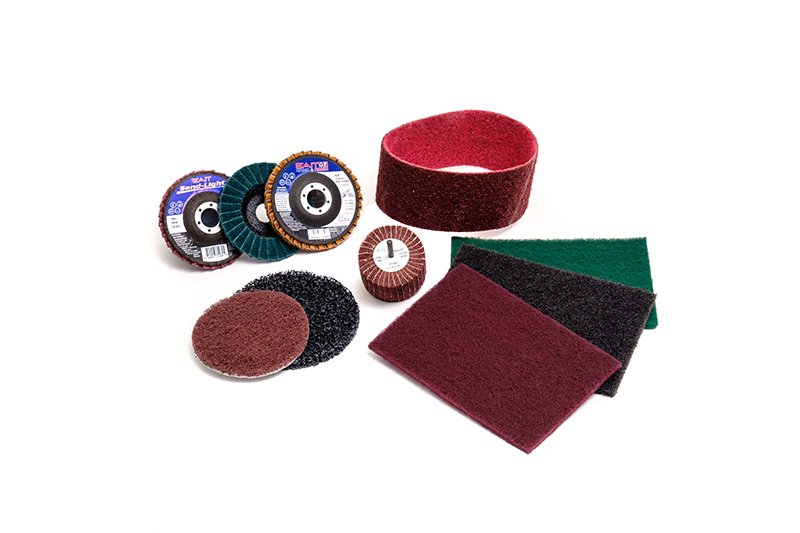 ABRASIVES & SAWBLADES
 SAFETY EQUIP.
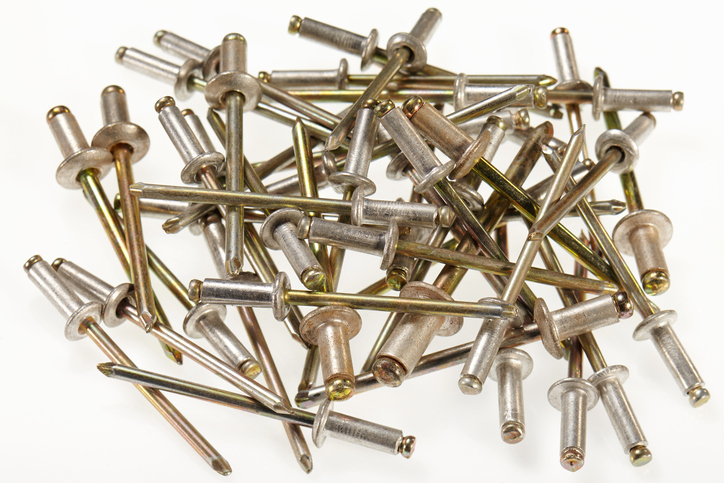 MISC.
MISC.
 MATERIAL TYPES
 PLATING TYPES
What Are Specialty Fasteners? Understanding Their Importance in Industrial Applications
Created at : Jun 3, 2026
Fasteners are among the most critical components used throughout manufacturing, construction, transportation, energy production, and countless other industries. While standard nuts, bolts, screws, and washers serve a wide range of applications, there are many situations where traditional fastening solutions simply are not enough. In these cases, specialty fasteners provide the performance, reliability, and functionality needed to meet demanding requirements.
From securing structural steel in commercial buildings to resisting corrosion in offshore oil platforms, specialty fasteners are engineered to solve unique challenges. Their specialized designs, materials, coatings, and locking mechanisms make them indispensable in environments where safety, durability, and long-term performance are essential.
At TS Fasteners, we supply a wide range of specialty fasteners designed to meet the needs of industrial, commercial, and infrastructure applications. Understanding what specialty fasteners are and how they differ from standard hardware can help engineers, maintenance professionals, contractors, and purchasing managers make more informed decisions when selecting fastening solutions.
What Are Specialty Fasteners?
Specialty fasteners are fastening components designed for specific applications, environments, or performance requirements that exceed the capabilities of conventional fasteners. Unlike standard hardware that is intended for general-purpose use, specialty fasteners are engineered to address unique challenges such as:
- High vibration environments
- Extreme temperatures
- Corrosive conditions
- Security concerns
- Structural load requirements
- Precision alignment needs
- Industry-specific compliance standards
These fasteners may feature specialized geometries, unique thread profiles, advanced materials, protective coatings, or locking mechanisms that enhance their performance in demanding applications.
Specialty fasteners can include bolts, screws, nuts, washers, anchors, pins, clips, and custom-engineered fastening systems designed to solve highly specific engineering problems.
Why Specialty Fasteners Matter
In many industrial applications, fastener failure can result in equipment downtime, costly repairs, safety hazards, or even catastrophic structural failures. Specialty fasteners are designed to minimize these risks by providing enhanced performance characteristics that standard fasteners cannot deliver.
The benefits of specialty fasteners include:
Increased Reliability
Specialty fasteners are designed for applications where failure is not an option. Their enhanced engineering ensures secure assemblies even under challenging operating conditions.
Improved Safety
Many industries rely on specialty fasteners to maintain structural integrity, prevent equipment failures, and reduce safety risks associated with vibration, movement, or environmental exposure.
Extended Service Life
Advanced materials and coatings allow specialty fasteners to resist wear, corrosion, fatigue, and environmental degradation, helping assemblies last longer.
Reduced Maintenance Costs
By preventing loosening, corrosion, and premature failure, specialty fasteners reduce the frequency of inspections, repairs, and replacements.
Enhanced Performance
Specialty fasteners often provide capabilities that standard fasteners cannot achieve, such as tamper resistance, self-locking functionality, or high-temperature operation.
Common Types of Specialty Fasteners
Security Fasteners
Security fasteners are specifically designed to prevent unauthorized removal or tampering. These fasteners utilize unique drive configurations that require specialized tools for installation and removal.
Common examples include:
- One-way screws
- Pin-in-Torx fasteners
- Spanner screws
- Tri-wing screws
- Tamper-resistant hex fasteners
Security fasteners are commonly used in:
- Public transportation systems
- Utility infrastructure
- Government facilities
- Schools and universities
- Electrical enclosures
- Public restrooms
By restricting access, these fasteners help protect valuable equipment and improve public safety.
Nylon Insert Lock Nuts
Also known as Nylock nuts, nylon insert lock nuts feature a nylon collar embedded within the nut. As the bolt is tightened, the nylon insert creates friction against the threads, helping prevent loosening caused by vibration.
These fasteners are commonly used in:
- Industrial machinery
- Agricultural equipment
- Automotive assemblies
- Heavy equipment
- Material handling systems
The self-locking capability helps maintain secure assemblies even in applications subjected to constant movement and vibration.
Structural Fasteners
Structural fasteners are designed to support heavy loads and meet strict engineering specifications. They are manufactured to rigorous standards and are often used in critical infrastructure projects.
Examples include:
- ASTM A325 bolts
- ASTM A490 bolts
- Heavy hex bolts
- Tension control bolts
Common applications include:
- Commercial construction
- Bridges
- Industrial facilities
- Stadiums
- Utility structures
Structural fasteners play a vital role in ensuring the stability and safety of large-scale structures.
Shoulder Bolts
Shoulder bolts feature an unthreaded shoulder between the head and threaded section. This precision-machined shoulder acts as a bearing surface and allows controlled movement.
Typical applications include:
- Conveyor systems
- Robotics
- Automation equipment
- Bearings
- Pulleys
- Packaging machinery
Shoulder bolts are especially valuable in applications requiring precise alignment and rotational movement.
U-Bolts and Custom Formed Fasteners
Custom bent fasteners provide solutions for securing pipes, tubing, cables, and structural members.
Common examples include:
- U-bolts
- J-bolts
- Eye bolts
- Anchor bolts
- Specialty formed clamps
Industries that commonly utilize these fasteners include:
- Construction
- Utilities
- Marine
- Oil and gas
- HVAC systems
Custom formed fasteners can be manufactured to meet specific dimensional and load requirements.
Thread-Forming Fasteners
Thread-forming fasteners create mating threads during installation rather than requiring pre-threaded holes. This capability reduces assembly costs and increases production efficiency.
These fasteners are frequently used in:
- Plastic injection molded components
- Sheet metal fabrication
- Electronics manufacturing
- Appliance production
- Automotive assemblies
They are particularly valuable in high-volume manufacturing environments.
Materials Used in Specialty Fasteners
The material selected for a specialty fastener often determines its performance characteristics. Different materials offer unique advantages depending on the application.
Stainless Steel Fasteners
Stainless steel remains one of the most popular choices for specialty fasteners due to its excellent corrosion resistance and durability.
Common grades include:
18-8 Stainless Steel
Provides good corrosion resistance and strength for general industrial applications.
304 Stainless Steel
Offers excellent corrosion resistance and is widely used in food processing, construction, and manufacturing.
316 Stainless Steel
Contains molybdenum for enhanced resistance to chlorides and harsh chemicals, making it ideal for marine and chemical processing environments.
Alloy Steel
Alloy steel fasteners provide exceptional tensile strength and durability, making them suitable for demanding structural applications.
Titanium
Titanium fasteners offer a superior strength-to-weight ratio and exceptional corrosion resistance.
Common industries include:
- Aerospace
- Medical devices
- Marine applications
- Motorsports
Brass and Bronze
These materials provide excellent corrosion resistance, conductivity, and non-sparking characteristics.
Applications often include:
- Electrical systems
- Marine equipment
- Decorative hardware
Exotic Alloys
Specialized applications may require materials such as:
- Inconel
- Monel
- Hastelloy
- Duplex stainless steel
These alloys perform exceptionally well in extreme temperatures and highly corrosive environments.
Industries That Depend on Specialty Fasteners
Oil and Gas
Oil and gas operations frequently expose fasteners to corrosive chemicals, extreme temperatures, and high pressures. Specialty fasteners help ensure reliability in drilling equipment, pipelines, and refining facilities.
Construction
Modern construction projects rely heavily on structural specialty fasteners to maintain the integrity of buildings, bridges, and infrastructure.
Aerospace
Aircraft manufacturers require lightweight, high-strength fasteners capable of performing under extreme environmental conditions.
Automotive
Automotive systems utilize specialty fasteners to improve safety, vibration resistance, assembly efficiency, and long-term durability.
Power Generation
Power plants and renewable energy systems depend on specialty fasteners to withstand harsh operating conditions and maintain reliability.
Manufacturing
Industrial equipment and production machinery often require specialized fastening solutions to improve performance and reduce maintenance.
How to Choose the Right Specialty Fastener
Selecting the correct specialty fastener requires careful consideration of several factors:
Environmental Conditions
Consider exposure to:
- Moisture
- Saltwater
- Chemicals
- UV radiation
- Temperature extremes
Load Requirements
Determine:
- Tensile loads
- Shear loads
- Dynamic forces
- Fatigue considerations
Vibration Levels
Applications involving continuous movement may require lock nuts, prevailing torque fasteners, or other vibration-resistant solutions.
Industry Standards
Many industries require compliance with specific standards such as:
- ASTM
- SAE
- ISO
- ASME
- Military specifications
Material Compatibility
The fastener material should be compatible with surrounding components to prevent galvanic corrosion and other issues.
The Value of Working with a Specialty Fastener Supplier
Choosing the right specialty fastener is often more complex than selecting a standard bolt or screw. Working with an experienced supplier ensures access to:
- Technical expertise
- Product availability
- Material recommendations
- Industry-specific solutions
- Custom fastener options
At TS Fasteners, we understand that every application presents unique challenges. Our team works closely with customers to identify the best fastening solutions for their operational requirements, environmental conditions, and performance expectations.
Conclusion
Specialty fasteners play a critical role in industries where reliability, safety, and performance are essential. Whether the application requires corrosion resistance, vibration protection, structural strength, security, or high-temperature performance, specialty fasteners provide engineered solutions that standard hardware simply cannot match.
From construction and manufacturing to aerospace, energy, and transportation, specialty fasteners help organizations improve equipment reliability, reduce maintenance costs, and ensure long-term success. By selecting the right fastener for the application, companies can maximize performance while minimizing risk.
At TS Fasteners, we proudly supply high-quality specialty fasteners for a wide range of industrial applications. Whether you need stainless steel fasteners, structural bolts, lock nuts, custom-engineered solutions, or corrosion-resistant hardware, our team is ready to help you find the ideal fastening solution for your project.