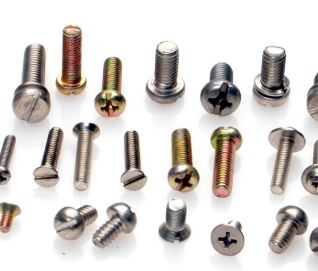
 SCREWS
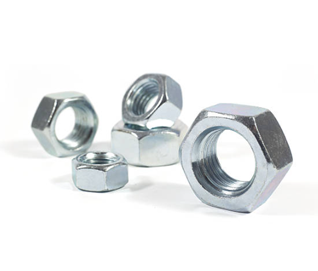 NUTS
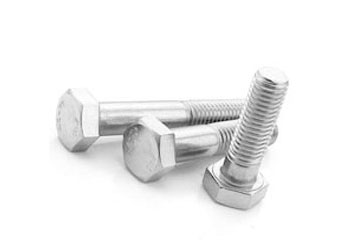 BOLTS
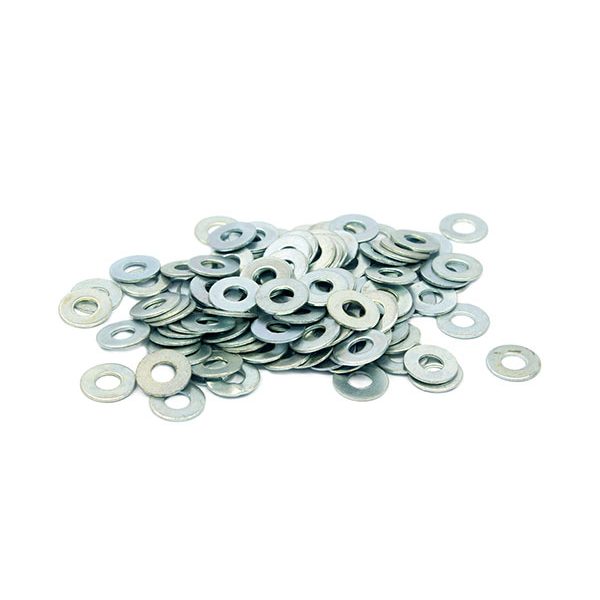 WASHERS
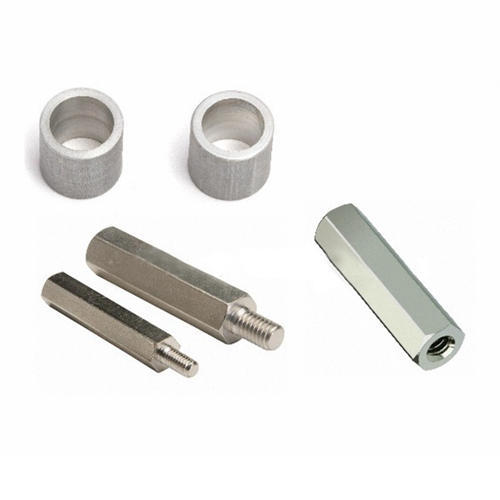 SPACERS & STANDOFFS
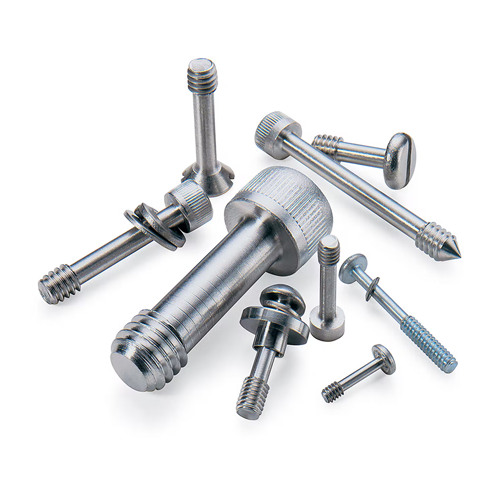 PRECISION/CUSTOM PARTS
 PINS
 WIRE HANDLING
 INSERTS
 ANCHORS
 DRILL BITS, TAPS, & DIES
 ABRASIVES & SAWBLADES
 SAFETY EQUIP.
 MISC.
 MATERIAL TYPES
 PLATING TYPES
Understanding the NAS1474 Spec: Why Self-Locking, Sealed Nutplates Matter in Aerospace Fastening
Created at : Oct 23, 2026
In aerospace manufacturing, even the smallest fastener can have a significant impact on the performance, reliability, and serviceability of an assembly. When engineers must account for vibration, limited installation space, and exposure to fluids or environmental contaminants, conventional fastening solutions may not provide the necessary combination of features. This is where the NAS1474 spec becomes particularly important.
NAS1474 establishes requirements for a specialized self-locking, floating nutplate designed to provide secure threaded fastening while accommodating installation constraints. Commonly used in aerospace and other demanding applications, these components combine several important design features into a compact assembly.
Understanding the NAS1474 specification, its construction, and its intended applications can help engineers, purchasing professionals, and maintenance teams identify the appropriate fastening solution for their projects.
What Is the NAS1474 Specification?
The NAS1474 specification is a National Aerospace Standard covering self-locking, two-lug, capped, floating plate nuts with reduced rivet spacing. Developed under the Aerospace Industries Association's standards program, it defines a particular category of aerospace fastening hardware designed for installations where accessibility, alignment, and fastening security are critical.
Unlike a conventional hex nut, an NAS1474 nutplate is attached to a supporting structure, typically using rivets through its two mounting lugs. Once installed, it provides a captive threaded fastening point that allows a mating screw or bolt to be installed without requiring access to the opposite side of the assembly.
The specification incorporates several important characteristics, including a floating nut element, a self-locking mechanism, a protective cap, and a compact mounting arrangement. These features make NAS1474 hardware particularly useful in aerospace assemblies where conventional fastening methods may be impractical.
The standard is formally titled Nut, Self-Locking, Plate, Two Lug, Cap, Floating, Reduced Rivet Spacing.
Why the Floating Design Is Important
One of the distinguishing characteristics of NAS1474 nutplates is their floating threaded element.
In a traditional fixed nutplate, the threaded opening remains in a stationary position. This arrangement works well when mounting holes and mating components align precisely. However, manufacturing tolerances, assembly variations, and minor positioning differences can make perfect alignment difficult.
A floating nutplate allows limited movement of the threaded element within its retaining structure. This movement helps accommodate minor misalignment between the nutplate and the mating fastener.
For aerospace manufacturers, this capability can simplify assembly, reduce installation difficulties, and minimize the risk of cross-threading caused by imperfect alignment.
Floating nutplates are especially valuable in assemblies containing multiple fastening points, where small variations in hole placement can accumulate across a larger structure.
The Role of Self-Locking Technology in NAS1474 Fasteners
Aircraft and other high-performance equipment frequently experience vibration, mechanical loading, and changing operating conditions. These forces can contribute to fastener loosening if the connection is not designed appropriately.
NAS1474 nutplates incorporate a self-locking feature that helps resist unintended rotation of the mating fastener.
This locking capability is particularly important in applications where fastener loosening could compromise the integrity of an assembly or create additional maintenance requirements.
Rather than relying exclusively on installation torque or supplemental locking hardware, the nutplate provides an integrated locking mechanism.
However, self-locking does not eliminate the need for proper installation procedures. Engineers and maintenance personnel must still follow applicable torque requirements, installation instructions, and inspection criteria. Reuse limitations and prevailing-torque requirements should also be verified against the governing specifications.
Why NAS1474 Nutplates Feature a Protective Cap
Another important characteristic of NAS1474 hardware is its capped construction.
The protective cap encloses the rear portion of the threaded assembly, and specified configurations incorporate sealing materials suited to particular operating environments.
This design can help limit fluid passage through the fastening location and provide protection in applications where exposure to fuel or other fluids must be controlled.
Depending on the specific NAS1474 part designation, available sealing materials include silicone, fluorosilicone, and fuel-resistant rubber compounds.
These materials are not interchangeable in every application. Their suitability depends on chemical exposure, temperature requirements, and the exact part configuration.
For example, cataloged NAS1474 configurations include fluorosilicone-sealed versions rated to 350°F and fuel-resistant rubber-sealed versions rated to 225°F. Certain silicone-sealed configurations are rated to 450°F but are identified as non-fuel-resistant.
Selecting the appropriate seal is therefore just as important as identifying the correct thread size.
Reduced Rivet Spacing for Space-Constrained Assemblies
A defining feature of the NAS1474 specification is its reduced rivet spacing.
Aerospace assemblies frequently contain structural features, access panels, brackets, and equipment mounts where installation space is limited. Conventional nutplates may require more room than the available mounting surface permits.
NAS1474 nutplates use a compact two-lug configuration that allows installation in areas where mounting geometry is constrained.
This reduced spacing can be particularly useful when engineers must position fasteners near adjacent components or within narrow structural sections.
The mounting geometry must still satisfy applicable structural requirements, including minimum edge distances, rivet selection, and the strength of the supporting material.
Reduced rivet spacing should therefore be considered an installation advantage rather than an indication that structural design requirements can be relaxed.
NAS1474 Dimensions, Materials, and Thread Sizes
NAS1474 hardware is available in multiple configurations to accommodate different assembly requirements.
Common thread sizes include 6-32, 8-32, 10-32, and 1/4-28, with additional configurations identified in supplier catalogs. The standard uses inch-based thread systems, including UNJC and UNJF designations, depending on the specific part.
Available constructions include steel and corrosion-resistant steel, with finishes such as cadmium plating or passivation according to the applicable configuration.
Dimensional characteristics vary with thread size. For example, published NAS1474 catalog dimensions identify maximum overall lengths of approximately 0.840 inches for several smaller thread sizes and 1.000 inch for certain 1/4-28 configurations.
The exact dimensions, mounting-hole locations, material requirements, and sealing characteristics must be verified using the complete part number and applicable specification revision.
Where Are NAS1474 Nutplates Used?
The combination of captive fastening, limited floating movement, self-locking capability, and protective sealing makes NAS1474 hardware useful in several aerospace applications.
Aircraft access panels are one example. These panels may require repeated removal for inspections, servicing, or equipment replacement. A captive nutplate allows technicians to remove the mating fastener without needing to hold a separate nut behind the structure.
NAS1474 components may also be appropriate for equipment enclosures, structural panels, and specialized mounting assemblies where backside access is restricted.
Their sealed construction makes certain configurations suitable for applications involving exposure to fuel or other fluids, provided the selected part meets the system's compatibility and sealing requirements.
Beyond aerospace, similar fastening challenges arise in defense equipment, specialized industrial machinery, and transportation systems. However, the use of an NAS1474 component in these applications should be based on engineering requirements rather than assuming aerospace-standard hardware is automatically necessary.
Choosing the Correct NAS1474 Fastener
Specifying an NAS1474 nutplate involves more than identifying its basic design.
The complete part number determines the configuration needed for a particular installation. Thread dimensions, material selection, finish, seal composition, and operating temperature can all influence suitability.
Engineers should also consider the available mounting area, rivet spacing, required alignment allowance, and the characteristics of the mating fastener.
For purchasing professionals, documentation and traceability may be equally important. Aerospace and defense procurement frequently requires specific certifications, material documentation, or compliance with customer-approved sourcing requirements.
An apparently similar nutplate should not be substituted for a specified NAS1474 part without verifying dimensional compatibility, performance requirements, and any applicable engineering approvals.
These considerations become especially important when sourcing replacement hardware for existing aircraft or maintaining assemblies manufactured to tightly controlled specifications.
Why Aerospace Fastener Specifications Matter Beyond the Individual Component
Standards such as NAS1474 illustrate why industrial fastener selection requires careful attention to the intended application.
A fastener's performance is influenced not only by its strength or thread size but also by its installation method, material characteristics, locking capability, environmental resistance, and compatibility with surrounding components.
For aerospace manufacturers, choosing the correct specification helps support consistent assembly practices and reliable maintenance procedures.
For industrial manufacturers, the same principles apply when selecting structural bolts, specialty nuts, washers, and other engineered fastening products.
Understanding the function behind a specification allows procurement teams to move beyond basic product descriptions and make more informed purchasing decisions.
Work With TS Fasteners for Industrial and Specialty Fastening Solutions
Selecting the right fastening hardware is essential to maintaining the strength, reliability, and serviceability of industrial assemblies. Whether a project involves specialized aerospace-style components, high-strength structural bolts, or conventional industrial fastening products, understanding the applicable specifications is an important first step.
TS Fasteners serves customers seeking dependable industrial fastening solutions, including hex bolts, structural bolts, nuts, washers, and specialty fasteners.
For projects involving the NAS1474 spec or other specialized fastening requirements, contact TS Fasteners to discuss your application and determine whether the required hardware can be sourced.
Working with a knowledgeable fastener supplier helps manufacturers and purchasing teams identify appropriate products while keeping material requirements, application demands, and procurement specifications in focus.