 SCREWS
 NUTS
NUTS
 BOLTS
BOLTS
 WASHERS
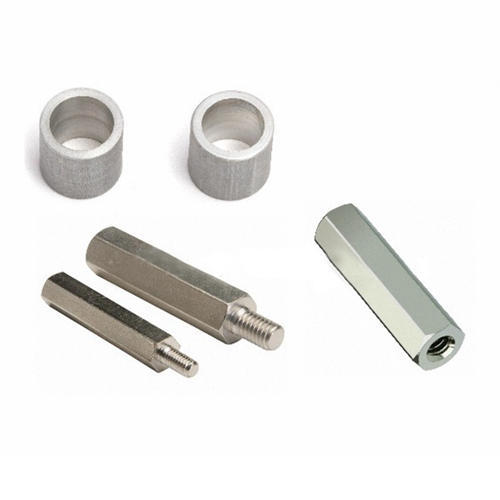 SPACERS & STANDOFFS
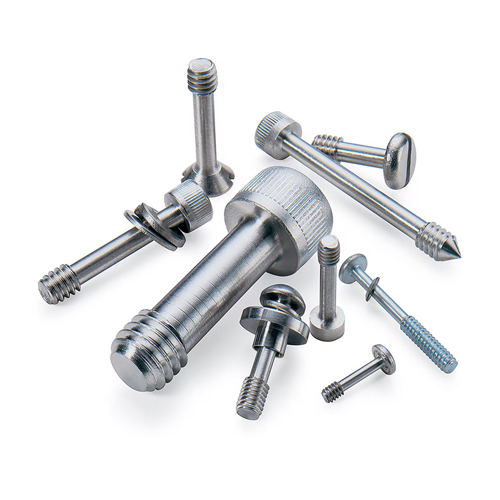 PRECISION/CUSTOM PARTS
 PINS
PINS
 WIRE HANDLING
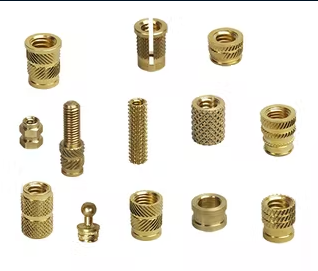 INSERTS
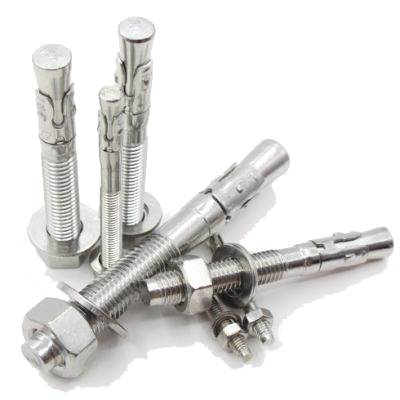 ANCHORS
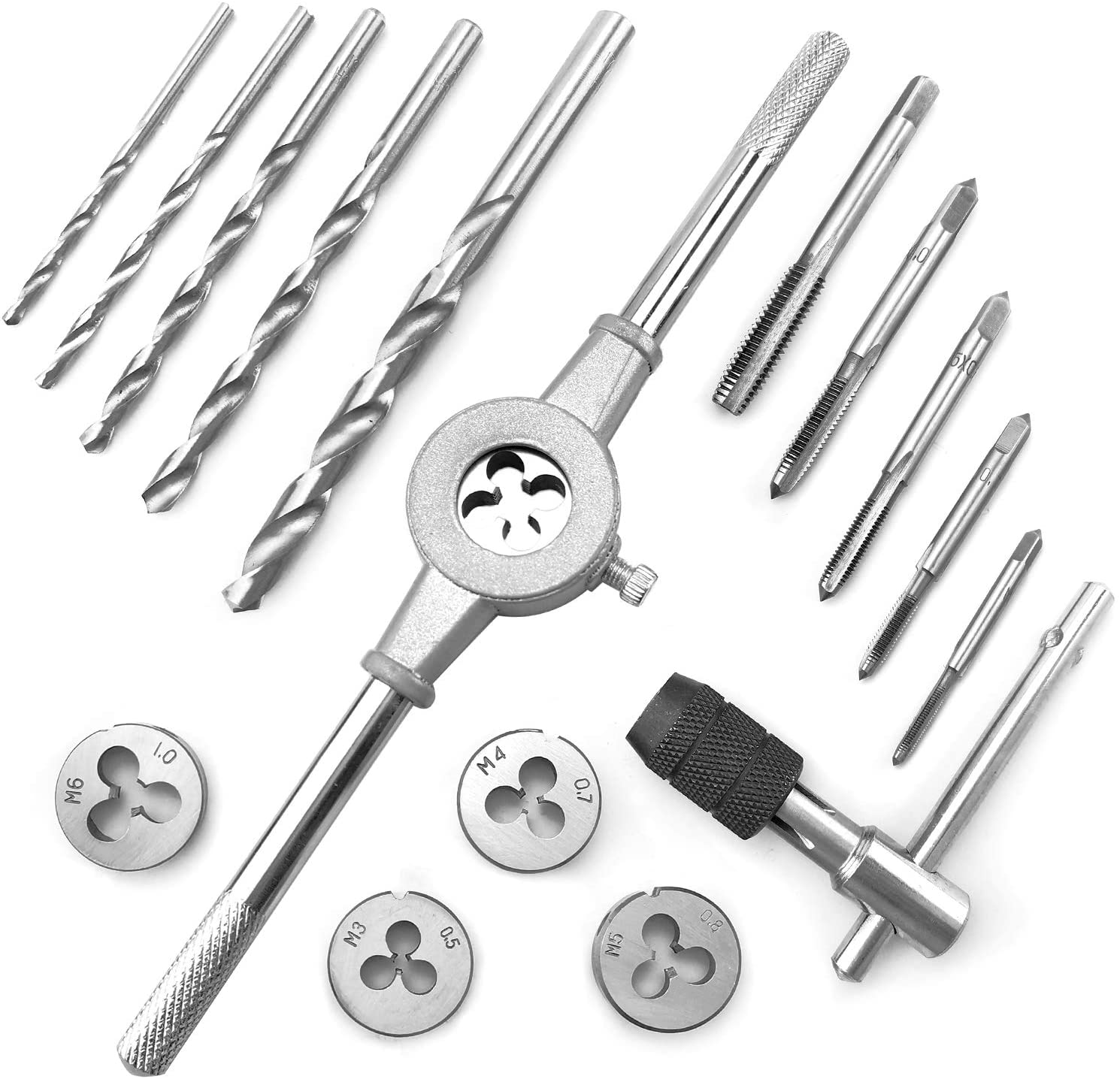 DRILL BITS, TAPS, & DIES
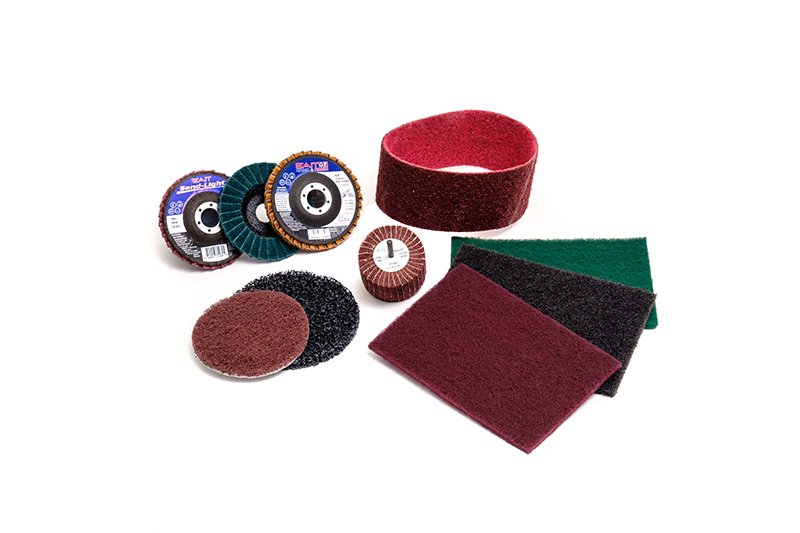 ABRASIVES & SAWBLADES
 SAFETY EQUIP.
 MISC.
MISC.
 MATERIAL TYPES
 PLATING TYPES
Custom Specialty Bolts: How They Are Used in Industrial Applications
Created at : Jul 6, 2026
When standard fasteners are not enough, custom specialty bolts provide the strength, dimensions, materials, and performance needed to solve unique engineering challenges. Across industries such as oil and gas, construction, mining, energy, transportation, agriculture, and heavy manufacturing, equipment often operates under conditions that conventional off-the-shelf bolts simply cannot withstand. Whether the application requires uncommon thread configurations, oversized dimensions, corrosion resistance, or specialized head designs, custom specialty bolts are engineered to meet exact specifications.
For manufacturers, maintenance professionals, and equipment designers, investing in custom specialty bolts is often the difference between reliable long-term performance and costly equipment failures. Companies such as TS Fasteners manufacture specialty bolts designed to meet demanding industrial requirements while providing the flexibility needed for custom applications.
What Are Custom Specialty Bolts?
Custom specialty bolts are fasteners manufactured to unique customer specifications rather than standard industry dimensions alone. While many bolts conform to common standards such as ASTM, SAE, or ISO, specialty bolts can be modified in nearly every aspect of their design.
Customization may include:
- Unique diameters or lengths
- Custom thread pitch or thread length
- Specialized head styles
- High-strength alloy materials
- Stainless steel or corrosion-resistant alloys
- Heat treatment requirements
- Protective coatings and finishes
- Drilled heads or shanks
- Precision tolerances
- Non-standard shoulder dimensions
These modifications allow engineers to create fastening solutions specifically designed for specialized machinery, structural assemblies, or harsh operating environments.
Why Industrial Applications Require Custom Fasteners
Industrial equipment is rarely "one size fits all." Heavy machinery, production equipment, and engineered systems often have unique load requirements or limited installation space that standard bolts cannot accommodate.
Custom specialty bolts help solve challenges such as:
- Extreme vibration
- Heavy tensile loads
- High shear forces
- Elevated temperatures
- Chemical exposure
- Saltwater corrosion
- Repeated maintenance cycles
- Tight installation clearances
Rather than redesigning expensive equipment around readily available hardware, engineers frequently specify custom bolts that fit the application precisely.
Heavy Equipment and Construction Machinery
One of the largest markets for custom specialty bolts is heavy equipment manufacturing.
Bulldozers, excavators, cranes, loaders, graders, and mining trucks experience enormous mechanical stress every day. Critical components—including hydraulic cylinders, pivot points, structural frames, and suspension systems—often require specialized bolts capable of handling continuous dynamic loading.
Custom bolts used in heavy equipment may feature:
- Extra-long shanks
- Partially threaded bodies
- Large diameters
- Hardened alloy steel
- Precision shoulders
- Corrosion-resistant coatings
These characteristics help maintain joint integrity while reducing wear on surrounding components.
Oil and Gas Applications
Few industries demand stronger fasteners than oil and gas production.
Equipment operates under extreme pressure while exposed to corrosive chemicals, moisture, saltwater, and fluctuating temperatures. Specialty bolts are commonly found in:
- Pressure vessels
- Pipeline flanges
- Pump assemblies
- Compressor systems
- Offshore drilling equipment
- Valve systems
- Refinery processing equipment
Depending on the environment, manufacturers may produce custom bolts using stainless steel, duplex stainless, Inconel®, Monel®, or other high-performance alloys that resist corrosion and stress cracking.
Precision manufacturing ensures these bolts maintain clamping force even under severe operating conditions.
Power Generation Facilities
Power plants rely heavily on specialty fasteners to keep critical systems operating safely.
Applications include:
- Steam turbines
- Gas turbines
- Wind turbines
- Hydroelectric equipment
- Nuclear facilities
- Heat exchangers
- Generator assemblies
Many of these systems operate under continuous vibration combined with elevated temperatures. Specialty bolts may require exact preload characteristics, heat-treated materials, or precise dimensional tolerances to ensure reliable operation throughout extended service intervals.
Manufacturing Equipment
Modern manufacturing depends on highly specialized machinery.
Production lines often incorporate equipment designed specifically for a single product or manufacturing process. Since these machines are custom-built, they frequently require fasteners that cannot be purchased from standard industrial suppliers.
Examples include:
- Robotic automation systems
- CNC machining centers
- Injection molding machines
- Press equipment
- Packaging machinery
- Food processing systems
- Pharmaceutical equipment
Custom specialty bolts allow equipment builders to optimize machine performance without compromising structural integrity.
Transportation Industry
Transportation equipment experiences constant vibration and heavy loading, making bolt reliability essential.
Specialty bolts are commonly used in:
- Railroad equipment
- Heavy-duty trailers
- Commercial trucks
- Bus manufacturing
- Marine equipment
- Defense vehicles
- Specialized utility vehicles
Engineers often specify custom shoulder bolts, wheel bolts, suspension bolts, or high-strength structural fasteners designed specifically for each vehicle platform.
Mining Equipment
Mining operations present some of the harshest environments for fasteners.
Equipment must withstand:
- Abrasive materials
- Constant vibration
- Heavy impact
- Dust contamination
- Moisture
- High operating loads
Custom specialty bolts help secure crushers, conveyors, draglines, drills, and screening equipment where failure could result in expensive downtime.
High-strength alloy steels combined with wear-resistant coatings help maximize service life even in demanding mining environments.
Agriculture and Farm Equipment
Agricultural equipment operates in mud, dust, fertilizer, chemicals, and changing weather conditions.
Custom bolts are frequently used on:
- Combines
- Tractors
- Harvesters
- Planters
- Hay equipment
- Irrigation systems
- Grain handling machinery
Manufacturers often specify specialty bolts that resist corrosion while accommodating unique equipment geometries.
Longer service life means less maintenance during critical planting and harvesting seasons.
Aerospace and Defense
Precision is especially important within aerospace manufacturing.
Aircraft, defense equipment, and military vehicles often require fasteners manufactured to exact specifications with complete material traceability.
Specialty aerospace bolts may include:
- Lightweight titanium alloys
- Precision-machined heads
- Specialized locking features
- Corrosion-resistant materials
- Tight dimensional tolerances
Every component must meet stringent quality standards while maintaining exceptional strength-to-weight ratios.
Marine Applications
Saltwater is one of the most aggressive environments for metal components.
Marine applications require bolts capable of resisting corrosion for years of continuous exposure.
Common applications include:
- Shipbuilding
- Dock construction
- Offshore platforms
- Marine engines
- Coastal infrastructure
- Port equipment
Depending on the application, manufacturers may recommend stainless steel, silicon bronze, duplex stainless, or nickel-based alloys to maximize corrosion resistance.
Renewable Energy Systems
Renewable energy projects depend on fasteners that perform reliably for decades with minimal maintenance.
Examples include:
- Wind turbine towers
- Solar mounting systems
- Hydroelectric equipment
- Battery storage systems
- Transmission infrastructure
Custom specialty bolts help accommodate unique structural requirements while resisting weather exposure, temperature fluctuations, and vibration.
Common Customization Options
One of the greatest advantages of specialty bolts is the nearly unlimited ability to tailor the fastener to the application.
Customization options frequently include:
Material Selection
Material choice determines strength, corrosion resistance, temperature capability, and service life.
Common materials include:
- Carbon steel
- Alloy steel
- Stainless steel
- Brass
- Bronze
- Titanium
- Duplex stainless
- Inconel®
- Monel®
Each material offers advantages depending on the operating environment.
Thread Configuration
Engineers can specify:
- Coarse threads
- Fine threads
- Left-hand threads
- Partial threading
- Extended threading
- Rolled threads
- Cut threads
Proper thread selection improves joint performance while simplifying installation.
Protective Coatings
Surface finishes enhance corrosion resistance and durability.
Popular options include:
- Zinc plating
- Hot-dip galvanizing
- Black oxide
- Phosphate coatings
- Xylan® coatings
- PTFE coatings
- Mechanical galvanizing
- Cadmium replacement finishes
Selecting the appropriate finish depends on the environment and performance requirements.
Head Styles
Custom bolts can be manufactured with virtually any head configuration, including:
- Hex heads
- Heavy hex heads
- Flange heads
- Socket heads
- Square heads
- Countersunk heads
- Custom machined heads
Additional machining may include drilled heads for safety wire or specialty locking systems.
Benefits of Custom Specialty Bolts
Using fasteners designed specifically for the application provides numerous long-term advantages.
First, custom bolts improve overall equipment reliability. Because they are engineered for specific loads and environments, they maintain clamping force more effectively and reduce the risk of premature failure.
Second, they contribute to longer equipment life. Properly matched fasteners distribute loads as intended by the equipment designer, helping minimize stress on surrounding components.
Custom specialty bolts also enhance safety. In industries where fastener failure could lead to equipment damage, production shutdowns, or injury, application-specific hardware provides greater confidence in structural integrity.
Finally, while custom bolts may involve a higher upfront cost than standard hardware, they often reduce total ownership costs by lowering maintenance requirements, extending service intervals, and minimizing unplanned downtime.
Choosing the Right Manufacturing Partner
The quality of a custom specialty bolt depends on the expertise and capabilities of the manufacturer. A trusted supplier should offer engineering support, precision machining, material selection guidance, and rigorous quality control to ensure every fastener meets the application's demands.
Manufacturers with extensive experience can also recommend design improvements, alternative materials, or coatings that enhance performance and extend service life in challenging environments.
Why TS Fasteners Is a Trusted Source for Custom Specialty Bolts
When industrial equipment requires more than a standard fastener, TS Fasteners delivers custom specialty bolts engineered for demanding applications. Whether the need involves oversized dimensions, uncommon thread configurations, high-strength alloys, corrosion-resistant materials, or precision machining, TS Fasteners works closely with customers to manufacture fasteners that meet exact specifications.
By combining quality materials, advanced manufacturing capabilities, and dependable customer service, TS Fasteners helps OEMs, contractors, maintenance teams, and industrial manufacturers obtain fastening solutions designed for long-term reliability. From heavy construction equipment and energy infrastructure to transportation systems and custom machinery, TS Fasteners provides specialty bolts that perform where standard hardware cannot.
When precision, durability, and application-specific performance matter, custom specialty bolts from TS Fasteners offer the strength and reliability industrial operations depend on.