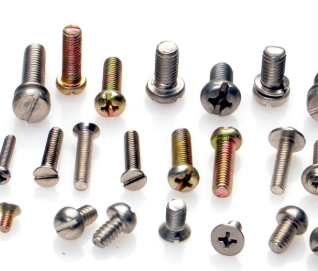
 SCREWS
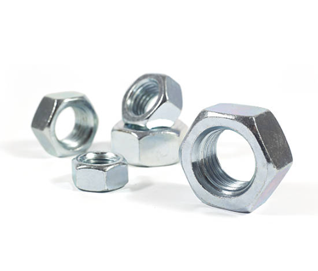 NUTS
NUTS
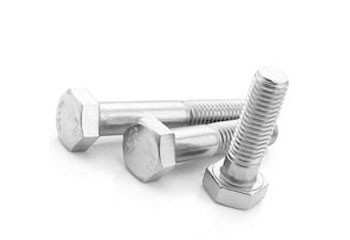 BOLTS
BOLTS
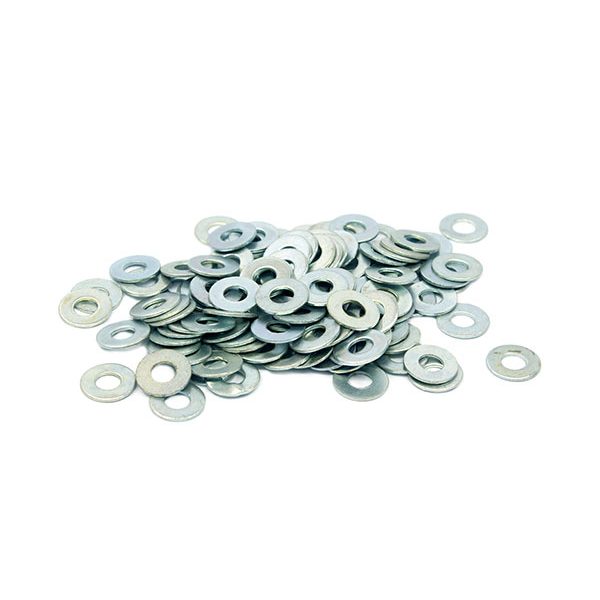 WASHERS
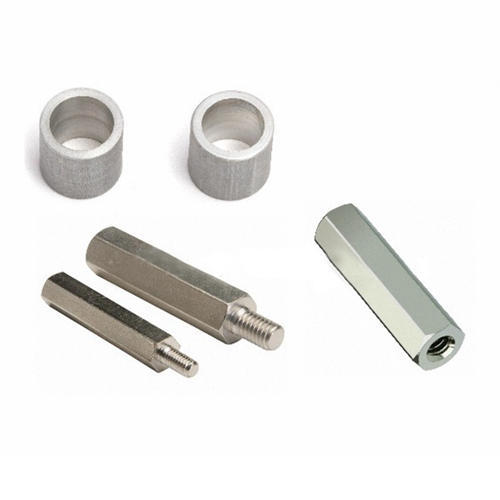 SPACERS & STANDOFFS
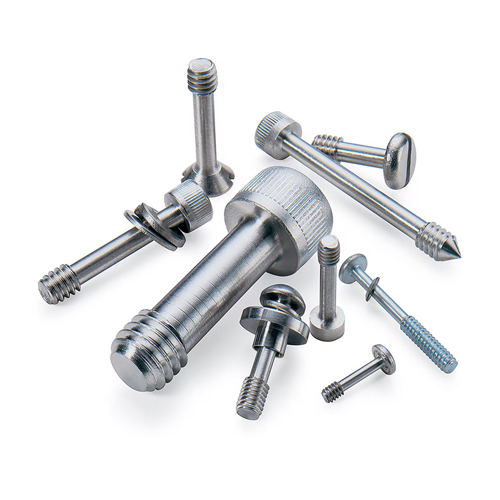 PRECISION/CUSTOM PARTS
 PINS
PINS
 WIRE HANDLING
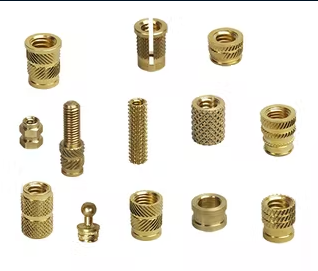 INSERTS
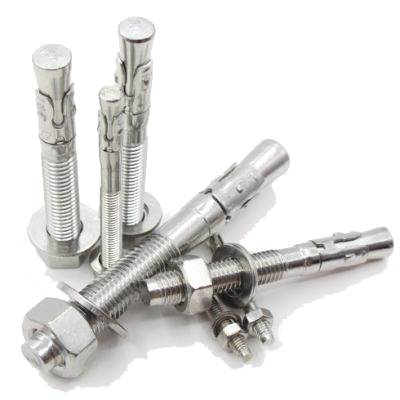 ANCHORS
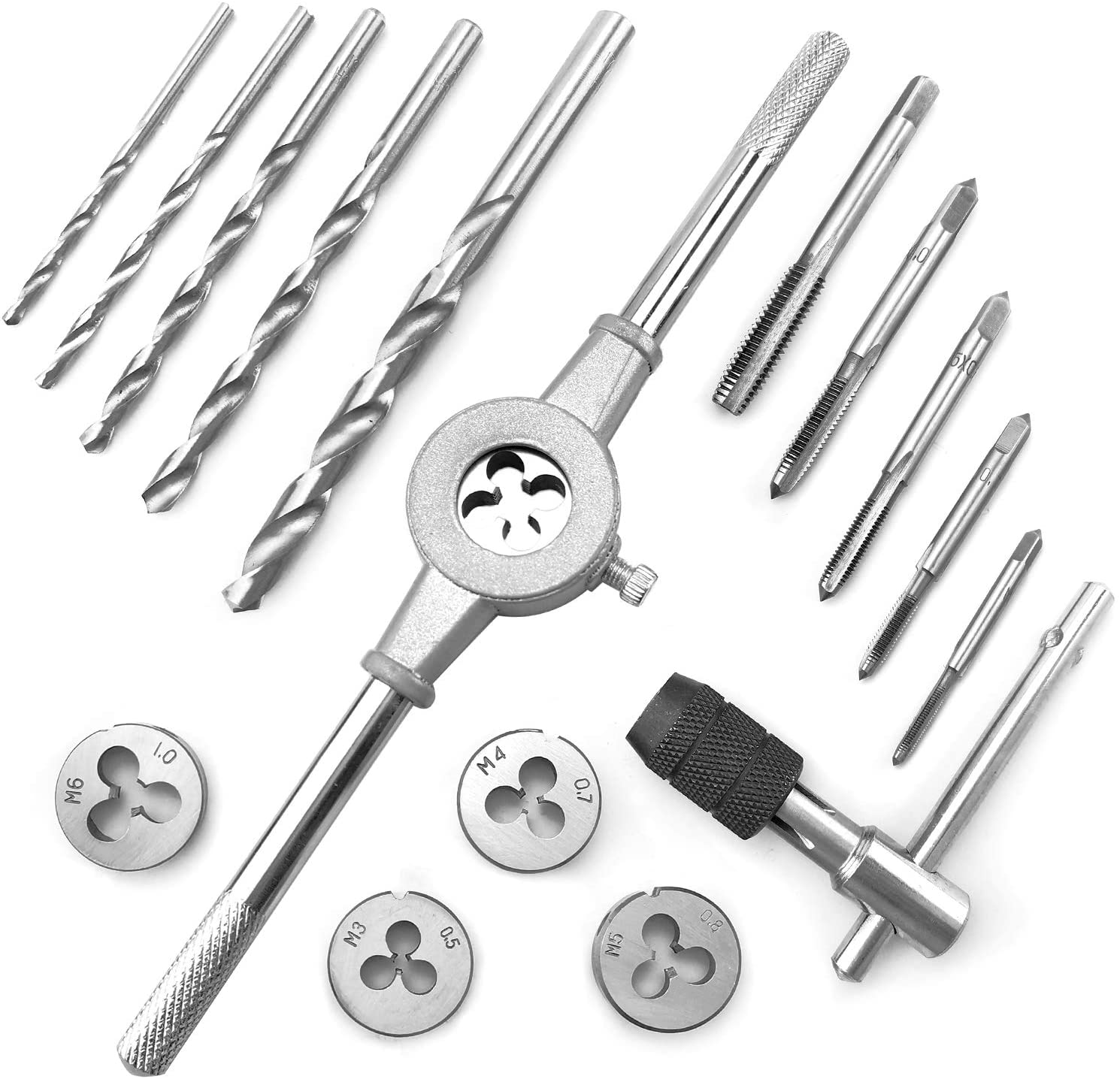 DRILL BITS, TAPS, & DIES
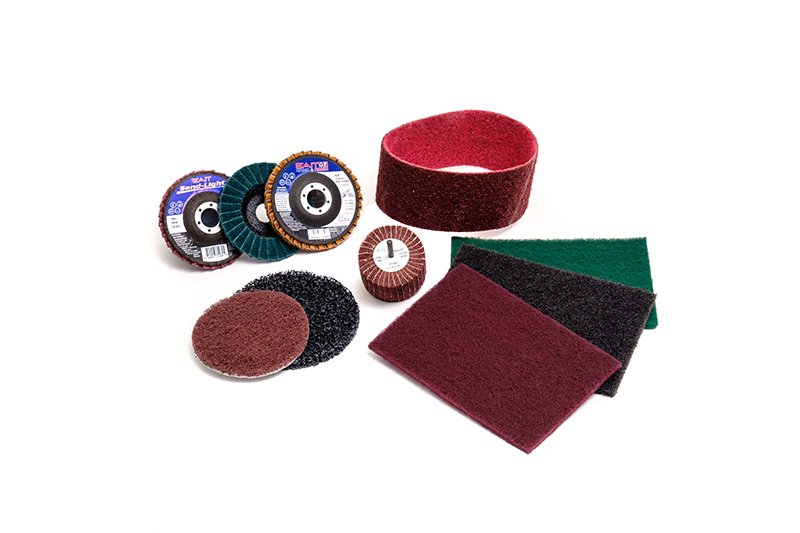 ABRASIVES & SAWBLADES
 SAFETY EQUIP.
 MISC.
MISC.
 MATERIAL TYPES
 PLATING TYPES
Grade 2 Bolts: The Unsung Heroes of Industrial Fastening
Created at : Mar 3, 2026
In the vast world of industrial machinery, construction, and equipment assembly, high-strength bolts often steal the spotlight. They are designed to endure massive loads, resist corrosion, and provide critical structural integrity. Yet, not every fastening job demands such high performance. Enter Grade 2 bolts — humble, dependable, and surprisingly versatile, these fasteners quietly hold together countless industrial applications.
What Are Grade 2 Bolts?
Grade 2 bolts are low-strength, general-purpose bolts typically made from low or medium carbon steel. Unlike high-strength bolts, they are plain or lightly coated, often with a zinc finish, and are not heat-treated. Their tensile strength is relatively low — around 60,000 psi — making them ideal for applications where extreme durability is not required.
In essence, Grade 2 bolts are the “everyday workhorses” of fastening. They are not meant to bear extreme loads or provide critical structural support, but their simplicity, availability, and affordability make them invaluable for light-duty tasks.
Key Characteristics of Grade 2 Bolts
Understanding the traits of Grade 2 bolts helps explain their widespread use in industry:
- Low tensile strength: Sufficient for non-critical applications but unsuitable for heavy loads.
- Appearance: Often plain steel, sometimes zinc-coated to resist corrosion.
- Cost-effective: Cheaper than high-grade bolts, perfect for projects where many fasteners are needed.
- Availability: Standard sizes are widely stocked and easy to source.
These characteristics make them a practical choice when strength is not the top priority but reliability and consistency are still important.
Common Industrial Applications
Though unassuming, Grade 2 bolts are essential across a wide range of industries. Some typical uses include:
1. Non-Critical Machinery Assembly
For light machinery and equipment where heavy loads are not expected, Grade 2 bolts provide reliable fastening. They are commonly used in small motor housings, conveyor systems, and other low-stress components.
2. Furniture and Shelving
In industrial shelving, workbenches, and storage systems, Grade 2 bolts are often used to assemble structures that support moderate weight without the need for high-strength fasteners.
3. Automotive Trim and Interior Components
While not suitable for engine mounts or suspension systems, Grade 2 bolts work well for non-load-bearing parts such as dashboards, seat brackets, and interior panels.
4. Temporary or Non-Structural Frameworks
For scaffolding, light metal frameworks, or wooden structures where load demands are low, Grade 2 bolts are a cost-effective solution that provides dependable assembly.
5. Electrical and HVAC Mounting
Grade 2 bolts are ideal for mounting brackets for electrical panels, conduits, and HVAC units, where attachments bear moderate loads and face minimal vibration.
When Not to Use Grade 2 Bolts
Despite their versatility, Grade 2 bolts should never be used in high-stress or safety-critical applications, such as:
- Structural steel connections
- Pressure vessels
- Heavy machinery supports
- Automotive suspension or engine mounts
Using Grade 2 bolts in these scenarios could lead to catastrophic failure. In such cases, higher-grade fasteners like Grade 5, Grade 8, or their metric equivalents are essential.
Choosing the Right Bolt
Selecting the proper bolt requires consideration of:
- Load requirements: How much weight or stress will the fastener endure?
- Environmental factors: Will corrosion or extreme temperatures be an issue?
- Budget and quantity: Are higher-grade bolts necessary, or will general-purpose bolts suffice?
For light-duty applications, Grade 2 bolts strike the perfect balance between performance and cost, making them an often-overlooked backbone of industrial assembly.
Conclusion
Grade 2 bolts may not carry the prestige of high-strength fasteners, but they quietly enable a vast array of industrial and commercial operations. From machinery assembly and shelving to HVAC and electrical mounting, their combination of reliability, affordability, and availability ensures they remain a staple in countless applications.
Sometimes, in the world of fasteners, modesty is a strength in itself. Grade 2 bolts prove that not every hero needs to be over-engineered — sometimes, the right bolt for the job is exactly the one you can trust to hold it together, quietly and efficiently.