 SCREWS
 NUTS
NUTS
 BOLTS
BOLTS
 WASHERS
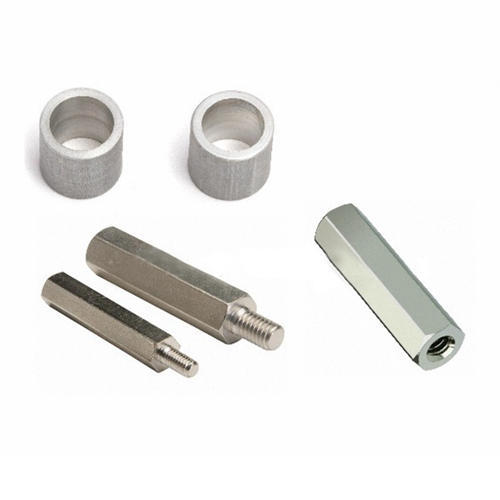 SPACERS & STANDOFFS
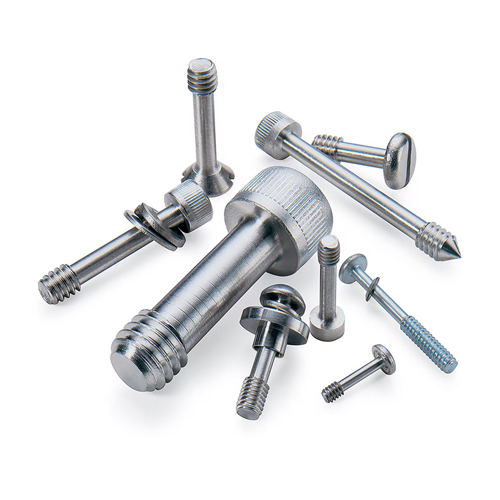 PRECISION/CUSTOM PARTS
 PINS
PINS
 WIRE HANDLING
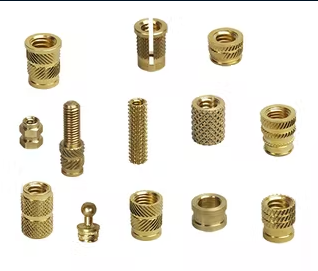 INSERTS
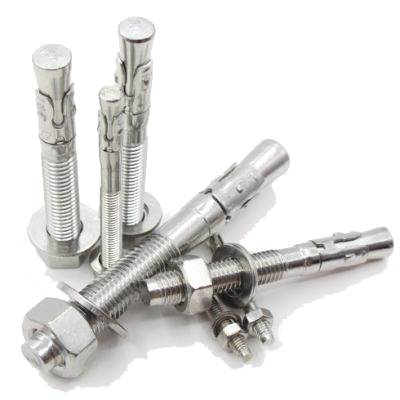 ANCHORS
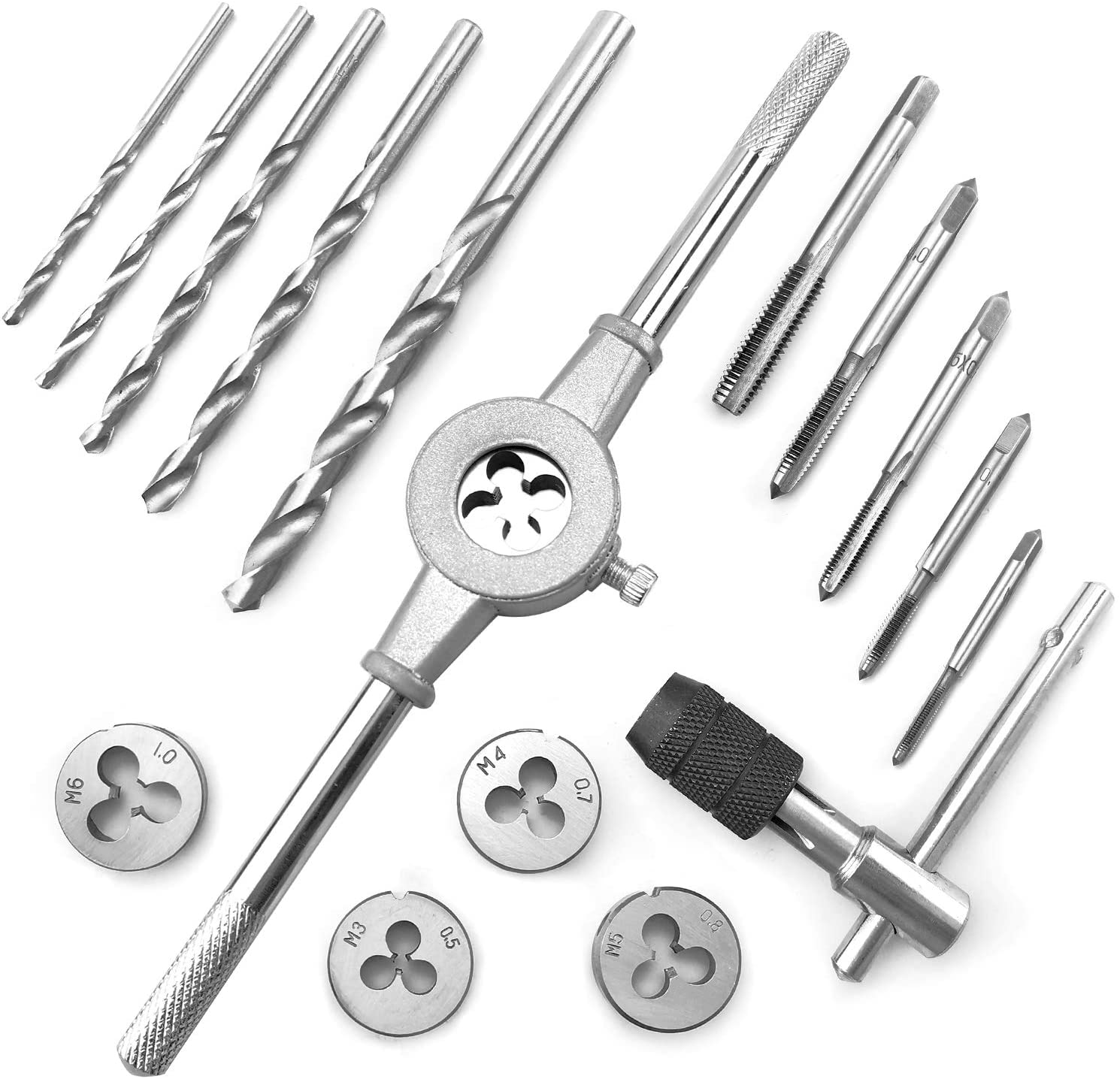 DRILL BITS, TAPS, & DIES
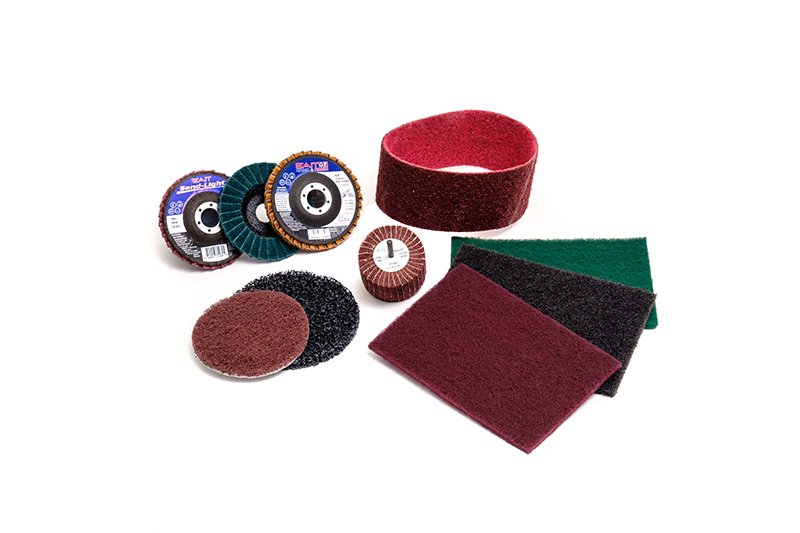 ABRASIVES & SAWBLADES
 SAFETY EQUIP.
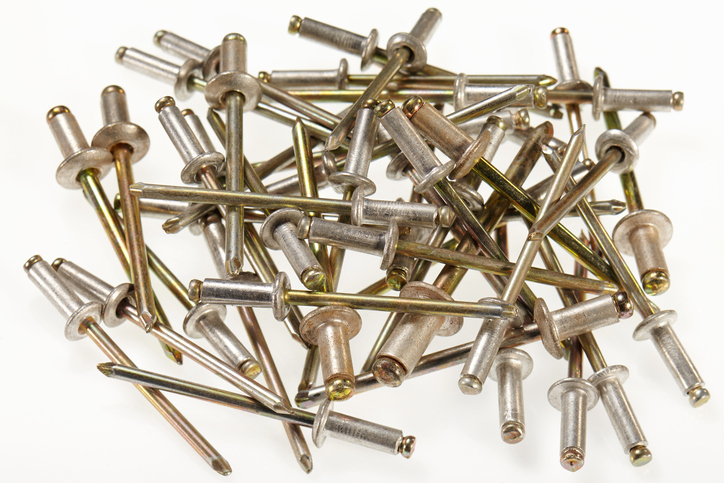 MISC.
MISC.
 MATERIAL TYPES
 PLATING TYPES
Specialty Industrial Fasteners: Engineered Solutions for Demanding Industrial Applications
Created at : Jan 6, 2026
In industrial environments, fasteners do far more than simply hold parts together. They play a critical role in structural integrity, safety, performance, and long-term reliability. When equipment is exposed to extreme loads, vibration, heat, corrosion, or regulatory scrutiny, standard nuts and bolts are often not enough. This is where specialty industrial fasteners become essential.
Specialty industrial fasteners are engineered fastening solutions designed to meet specific application requirements that exceed the capabilities of off-the-shelf hardware. From heavy manufacturing and oil and gas operations to aerospace, power generation, and precision equipment, these fasteners are relied upon in environments where failure is not an option.
What Are Specialty Industrial Fasteners?
Specialty industrial fasteners are defined by their purpose-built design, advanced materials, and performance-driven specifications. Unlike standard fasteners, which are mass-produced to general dimensional standards, specialty fasteners are selected—or custom-engineered—to perform under unique conditions.
These conditions may include:
- High tensile or shear loads
- Continuous vibration or cyclic stress
- Exposure to corrosive chemicals or saltwater
- Extreme temperatures or thermal cycling
- Tight dimensional tolerances
- Compliance with industry or regulatory standards
In many cases, specialty fasteners are manufactured to meet ASTM, ASME, SAE, ISO, or customer-specific specifications, making them integral components of industrial systems rather than commodity hardware.
Key Characteristics That Define Specialty Fasteners
Several attributes distinguish specialty industrial fasteners from standard options:
Non-standard designs:
Specialty fasteners often feature custom head styles, thread profiles, lengths, diameters, or integrated features such as shoulders, flanges, or sealing elements.
Advanced materials:
While carbon steel is common in general fasteners, specialty fasteners frequently use stainless steel, alloy steel, Inconel, Monel, Hastelloy, titanium, or other high-performance alloys to withstand harsh environments.
Performance-focused engineering:
Specialty fasteners are designed to manage load distribution, resist loosening, maintain torque, or provide consistent clamping force over time.
Application-specific functionality:
Some fasteners provide secondary functions, such as electrical grounding, sealing against fluids, or tamper resistance.
Common Types of Specialty Industrial Fasteners
Specialty fasteners take many forms depending on application requirements. Some of the most widely used categories in industrial settings include:
Custom and Engineered Fasteners
Custom fasteners are manufactured to meet proprietary designs or unique assembly needs. These are commonly used in OEM equipment, specialized machinery, and long-life industrial systems where replacement with standard hardware is not feasible.
Custom fasteners may be required to:
- Fit confined or complex assemblies
- Integrate multiple functions into a single component
- Meet precise tolerance or alignment requirements
High-Strength and Structural Fasteners
Industries that demand exceptional load-bearing performance rely heavily on high-strength fasteners. These include structural bolts, heavy hex bolts, studs, and nuts manufactured to grades such as ASTM A193, A325, A490, B7, and 2H.
These fasteners are essential in:
- Structural steel assemblies
- Heavy equipment manufacturing
- Oil and gas infrastructure
- Power generation facilities
High-strength fasteners are engineered to maintain integrity under extreme mechanical stress while providing predictable, repeatable performance.
Corrosion- and Heat-Resistant Fasteners
Industrial environments often expose fasteners to moisture, chemicals, high temperatures, or outdoor conditions. Specialty fasteners made from corrosion- and heat-resistant materials ensure long-term performance where standard steel would degrade or fail.
Common applications include:
- Chemical processing plants
- Marine and offshore equipment
- Refineries and petrochemical facilities
- High-temperature furnaces and heat exchangers
Materials such as stainless steel, Inconel, and Monel are frequently selected for their ability to maintain strength and resist oxidation, corrosion, and chemical attack.
Precision Fasteners
Precision fasteners are manufactured with tight dimensional tolerances to support exacting assembly requirements. These fasteners are critical in industries where alignment, repeatability, and consistency are essential.
Precision fasteners are widely used in:
- CNC machining and automation equipment
- Aerospace assemblies
- Medical device manufacturing
- Electronics and instrumentation
Even minor deviations in fastener dimensions can lead to performance issues, making precision manufacturing a key requirement.
Locking and Vibration-Resistant Fasteners
Vibration is a leading cause of fastener failure in industrial equipment. Specialty locking fasteners are designed to prevent loosening under dynamic loads and constant movement.
Examples include:
- Prevailing torque nuts
- Wedge-lock washers
- Thread-locking fasteners
These solutions are commonly used in transportation equipment, heavy machinery, rotating assemblies, and high-vibration environments.
Specialty Function Fasteners
Some specialty fasteners serve highly specific roles beyond mechanical fastening. These may include:
- Sealing fasteners with bonded washers or O-rings
- Electrical grounding fasteners
- Tamper-resistant or security fasteners
These fasteners are selected when additional functionality is required without adding separate components.
Industrial Applications That Depend on Specialty Fasteners
Specialty industrial fasteners are foundational to numerous industries:
Manufacturing and OEM equipment:
Machinery reliability depends on fasteners that maintain alignment, torque, and structural integrity throughout long service cycles.
Oil and gas:
Fasteners must withstand extreme pressure, temperature fluctuations, and corrosive environments while meeting strict safety standards.
Power generation:
From turbines to boilers, specialty fasteners ensure consistent performance in high-heat and high-load systems.
Aerospace and defense:
Precision, weight reduction, and compliance with rigorous specifications make specialty fasteners indispensable.
Construction and infrastructure:
Structural fasteners provide the strength and durability required for bridges, industrial buildings, and heavy civil projects.
Why Specialty Fasteners Matter
While fasteners may appear to be small components, their impact on industrial systems is significant. Using the wrong fastener—or a standard fastener where a specialty solution is required—can lead to equipment failure, costly downtime, safety risks, and regulatory issues.
Specialty industrial fasteners provide:
- Enhanced safety and reliability
- Longer service life
- Reduced maintenance and replacement costs
- Improved equipment performance
Conclusion
Specialty industrial fasteners are not interchangeable commodities—they are engineered solutions designed to meet the exact demands of industrial applications. By combining advanced materials, precision manufacturing, and application-specific design, these fasteners ensure that critical equipment performs reliably in even the harshest conditions.
For industries where strength, durability, and performance matter, specialty industrial fasteners are a vital part of the system—quietly holding everything together while enabling safe, efficient, and long-lasting operation.