 SCREWS
 NUTS
NUTS
 BOLTS
BOLTS
 WASHERS
 SPACERS & STANDOFFS
 PRECISION/CUSTOM PARTS
 PINS
PINS
 WIRE HANDLING
 INSERTS
 ANCHORS
 DRILL BITS, TAPS, & DIES
 ABRASIVES & SAWBLADES
 SAFETY EQUIP.
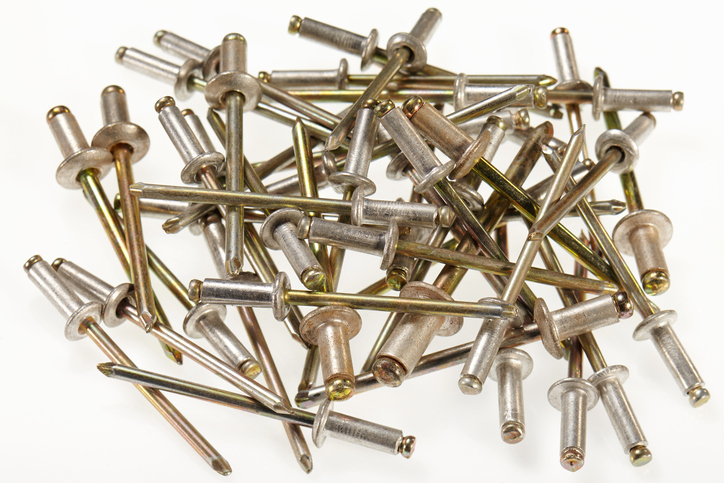 MISC.
MISC.
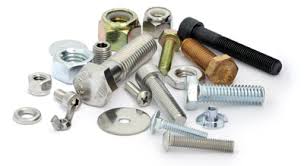 MATERIAL TYPES
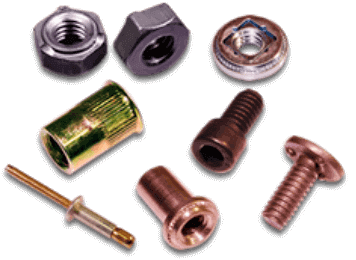 PLATING TYPES
Why Captive Panel Screws Are Mission-Critical in Aerospace, Defense, and Transportation
Created at : Feb 3, 2026
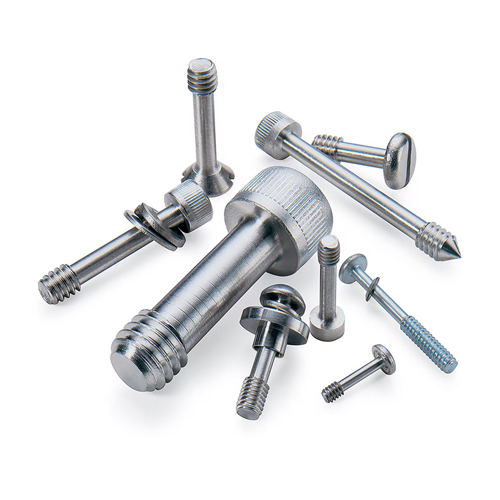
In aerospace, defense, and transportation, failure isn’t measured in inconvenience—it’s measured in risk. A single loose fastener can ground an aircraft, disable a vehicle, compromise a mission, or endanger lives. That reality has shaped how these industries approach even the smallest components. Among those components, captive panel screws play a surprisingly vital role.
Often overlooked because of their size, captive panel screws are a quiet cornerstone of safety, efficiency, and reliability in high-stakes environments. Their ability to remain attached to panels while allowing repeated access makes them indispensable across aircraft, military systems, rail, marine vessels, and heavy transportation equipment. In industries defined by vibration, environmental extremes, and strict regulatory oversight, captive fasteners are not a convenience—they are a necessity.
The Hidden Risk of Loose Hardware
Loose hardware is more than an annoyance in aerospace and defense; it’s a known hazard. In aviation, the term Foreign Object Debris (FOD) refers to any loose object that can damage aircraft systems. Something as small as a dropped screw can be catastrophic if it enters an engine intake, avionics bay, or flight control area.
Transportation systems face similar risks. A fastener that vibrates loose inside a locomotive control cabinet or an electric vehicle battery enclosure can cause electrical shorts, mechanical interference, or system shutdowns. In military and defense settings, the consequences escalate further—equipment failure can jeopardize missions or personnel safety.
Captive panel screws directly address this risk by design. Because the screw remains permanently retained in the panel, it cannot fall free, even when fully loosened. This simple mechanical feature eliminates an entire category of failure.
Designed for Frequent Access Without Failure
One of the defining characteristics of aerospace, defense, and transportation equipment is frequent inspection and maintenance. Aircraft undergo routine inspections after a set number of flight hours. Military vehicles are serviced regularly to ensure mission readiness. Railcars, ships, and commercial vehicles must meet strict operational checks to remain in service.
Traditional fasteners require full removal during access. Each removal introduces opportunities for:
- Lost hardware
- Improper reinstallation
- Cross-threading
- Torque inconsistencies
Captive panel screws remove those risks from the equation. Technicians can loosen the screw, open the panel, complete their work, and retighten the fastener—without ever handling loose hardware. This streamlines maintenance while reducing human error, especially in environments where technicians may be working under time pressure, poor lighting, or extreme conditions.
Aerospace: Eliminating FOD While Supporting Lightweight Design
In aerospace applications, every component must balance strength, weight, and reliability. Captive panel screws are commonly used in:
- Avionics access panels
- Engine nacelles and fairings
- Cockpit and cabin panels
- Inspection doors and service hatches
- UAVs and space systems
Their benefits extend beyond retention. Aerospace-grade captive screws are often manufactured from titanium, aluminum alloys, or stainless steel, ensuring corrosion resistance while keeping weight to a minimum. Many are engineered to work with floating nut plates, which accommodate structural flexing caused by pressurization cycles and temperature changes.
The result is a fastening solution that:
- Prevents FOD
- Supports repeated maintenance cycles
- Maintains structural integrity under vibration
- Meets stringent aviation standards such as NAS, MS, AS, and MIL specifications
In aerospace, where tolerances are tight and margins for error are nonexistent, captive panel screws are a foundational design choice.
Defense Applications: Reliability in the Harshest Conditions
Defense systems operate in environments most commercial equipment will never encounter. Sand, salt spray, extreme temperatures, shock loads, and continuous vibration are the norm—not exceptions.
Captive panel screws are widely used in:
- Weapon systems and mounts
- Radar and communications enclosures
- Electronic warfare systems
- Armored vehicles and tactical trucks
- Naval and shipboard equipment
Their value in defense applications is multifaceted. First, they ensure zero loose hardware, a critical requirement for mission safety and equipment reliability. Second, they enable rapid field servicing, allowing panels to be opened quickly without the risk of losing components in austere environments.
Many defense applications also require tamper resistance and security, leading to the use of specialized drive styles such as Torx®, Torx Plus®, or security drives. Combined with captive retention, these features protect sensitive systems from both accidental and intentional interference.
Additionally, captive panel screws help maintain enclosure integrity, which is essential for meeting military standards related to environmental sealing and electromagnetic interference (EMI) shielding.
Transportation Systems: Surviving Vibration, Weather, and Constant Use
Transportation equipment—whether on roads, rails, or water—is subjected to relentless vibration and environmental exposure. Captive panel screws are widely used in:
- Railcars and locomotives
- Commercial trucks and buses
- Electric vehicle battery enclosures
- Marine vessels and shipboard systems
- Heavy equipment and off-road vehicles
In these applications, vibration resistance is critical. Panels must remain secure over long service lives without loosening, even as vehicles experience shock, thermal cycling, and continuous motion.
Captive panel screws are often paired with:
- Gaskets or O-rings for environmental sealing
- Corrosion-resistant materials for outdoor exposure
- Panel retention features designed for thousands of access cycles
For transportation operators, this translates to reduced downtime, faster inspections, and improved safety compliance. A fastener that cannot be lost is one less variable in already complex systems.
Supporting Compliance and Industry Standards
Aerospace, defense, and transportation industries are heavily regulated, and fastening solutions must support compliance rather than complicate it. Captive panel screws are frequently specified because they align naturally with regulatory priorities:
- Safety
- Repeatability
- Reliability
- Traceability
Standards such as MIL-STD-810, MIL-STD-461, and various aviation regulations emphasize durability, enclosure integrity, and environmental protection. Captive fasteners help engineers and manufacturers meet these requirements without adding unnecessary complexity to designs.
In many cases, specifying captive panel screws is not optional—it is a baseline expectation in regulated system design.
Small Components, Outsized Impact
It’s easy to underestimate the importance of a fastener. After all, captive panel screws are small, inexpensive components compared to engines, electronics, or structural assemblies. Yet their impact is disproportionate to their size.
They:
- Prevent catastrophic failures caused by loose hardware
- Improve maintenance efficiency and accuracy
- Reduce long-term operational costs
- Enhance safety for operators and technicians
- Support compliance in highly regulated industries
In aerospace, defense, and transportation, reliability is built from the ground up—one component at a time. Captive panel screws exemplify how thoughtful engineering at the smallest level can protect the largest systems.
Conclusion: A Quiet Standard for High-Risk Industries
Captive panel screws rarely attract attention, and that is precisely the point. When they are doing their job correctly, nothing goes wrong. No hardware is lost. No systems are compromised. No inspections are delayed.
In industries where the margin for error is effectively zero, captive panel screws provide a simple, proven solution to a complex problem. By preventing loose hardware, supporting rapid maintenance, and withstanding extreme operating conditions, they have become a quiet standard across aerospace, defense, and transportation.
In the end, these industries don’t just demand performance—they demand certainty. Captive panel screws deliver it, one retained fastener at a time.