 SCREWS
 NUTS
NUTS
 BOLTS
BOLTS
 WASHERS
 SPACERS & STANDOFFS
 PRECISION/CUSTOM PARTS
 PINS
PINS
 WIRE HANDLING
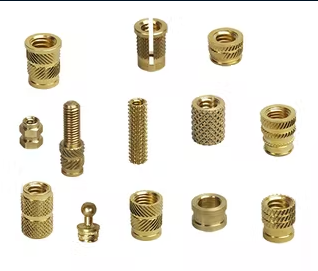 INSERTS
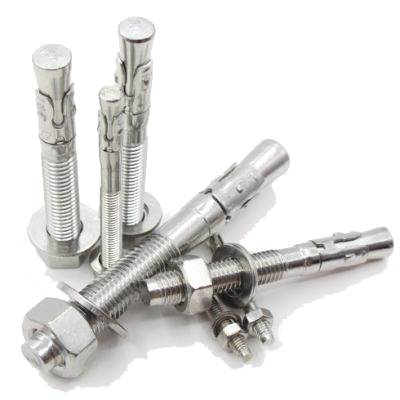 ANCHORS
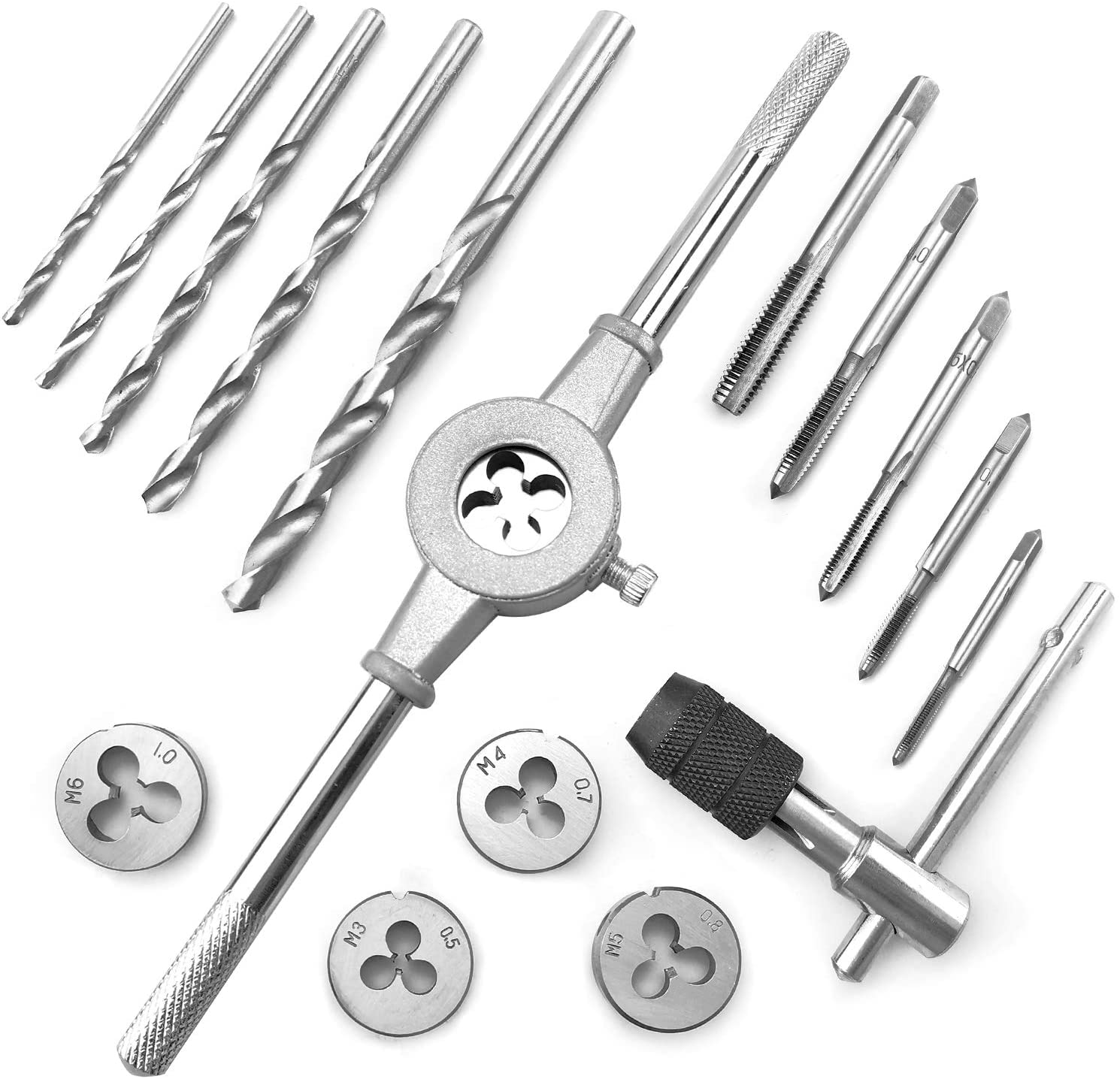 DRILL BITS, TAPS, & DIES
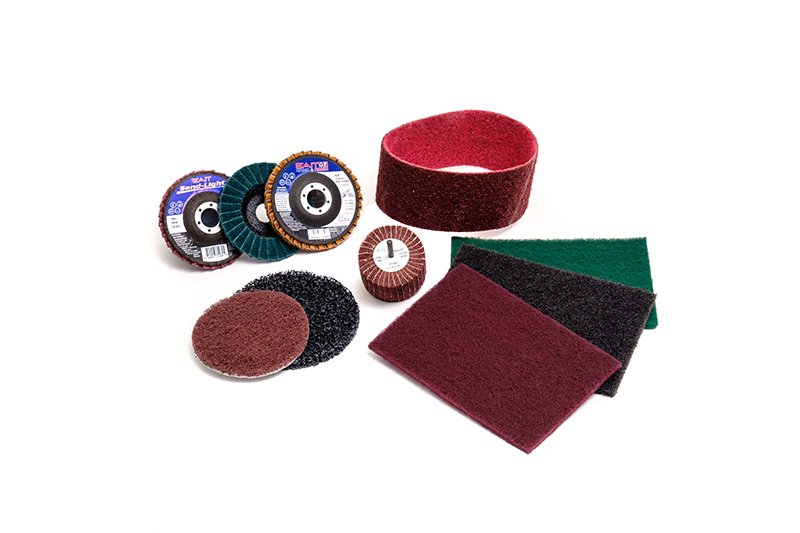 ABRASIVES & SAWBLADES
 SAFETY EQUIP.
 MISC.
MISC.
 MATERIAL TYPES
 PLATING TYPES
The Critical Role of Tapered Pins in Heavy Manufacturing Equipment
Created at : Jan 22, 2026
In heavy manufacturing environments, precision is not a luxury—it’s a requirement. Massive forces, constant vibration, high torque loads, and long operating cycles demand components that hold their position without compromise. Among the many fastening and alignment solutions used in industrial machinery, tapered pins play a quiet but essential role in keeping equipment aligned, secure, and operational over the long term.
While often overlooked in favor of larger, more visible components, tapered pins are fundamental to the performance and longevity of heavy manufacturing equipment. Their unique design allows them to solve problems that bolts, straight pins, and set screws alone cannot.
What Makes a Tapered Pin Different?
Unlike straight pins, tapered pins are manufactured with a slight conical shape—typically a standardized taper such as 1:48. This design allows the pin to wedge tightly into a matching tapered hole. As the pin is driven in, it creates a self-locking mechanical fit that resists movement in all directions.
This wedging action is what makes tapered pins especially valuable in heavy manufacturing applications. Once installed, the pin becomes an integral part of the assembly, providing both precise alignment and strong shear resistance without relying on threads, adhesives, or secondary locking methods.
Why Heavy Manufacturing Demands More from Fasteners
Heavy manufacturing equipment operates under conditions that quickly expose the weaknesses of traditional fastening methods. High vibration can loosen threaded fasteners. Shock loads can deform straight pins. Repeated torque cycles can cause micro-movement between mating parts, leading to fretting, wear, and eventual failure.
Tapered pins address these challenges directly. Their interference fit eliminates play between components, ensuring that parts remain locked in alignment even after years of operation.
Power Transmission: Locking Shafts and Hubs in Place
One of the most common uses of tapered pins in heavy manufacturing equipment is in power transmission assemblies. Large gears, pulleys, sprockets, flywheels, and couplings must be securely fixed to shafts to prevent relative rotation under load.
In conveyor systems, crushers, mills, and mixers, tapered pins are often used to:
- Lock hubs to shafts
- Prevent rotational slippage
- Maintain concentric alignment
By carrying shear loads directly, tapered pins reduce stress on keys, set screws, or clamping bolts. This helps prevent keyway deformation and extends the service life of both shafts and hubs.
Presses, Stamping, and Forming Equipment
Heavy presses and forming machines rely on precise alignment to produce consistent, high-quality parts. Even minor misalignment in a die or guide assembly can result in tool damage, part defects, or unsafe operating conditions.
Tapered pins are commonly used in:
- Die sets and guide plates
- Ram and slide assemblies
- Tooling fixtures that require repeatable positioning
Their ability to withstand shock loads makes them particularly well-suited for high-tonnage presses, where impact forces can quickly loosen conventional fasteners. When tools are removed for maintenance and reinstalled, tapered pins ensure components return to their exact original position without the need for realignment.
Structural Alignment in Large Equipment Assemblies
Heavy manufacturing equipment often consists of large frames, base plates, and castings that must be aligned precisely during assembly—sometimes in the field rather than in a controlled factory environment.
Tapered pins are used to:
- Align machine frames and structural components
- Locate base plates before final bolting
- Maintain alignment between large mating parts
Once the components are pinned and bolted, the pins prevent shifting during startup loads, thermal expansion, or operational vibration. This is especially important in equipment where even small positional changes can affect performance or safety.
Rotating and Reciprocating Machinery
Equipment with continuous motion—such as crushers, grinders, mixers, agitators, and rolling mills—places unique demands on alignment components. Constant rotation or reciprocation amplifies the effects of vibration and wear over time.
In these applications, tapered pins help:
- Maintain alignment of rotating assemblies
- Reduce uneven load distribution
- Minimize bearing wear and shaft deflection
By eliminating looseness at connection points, tapered pins contribute directly to smoother operation and longer maintenance intervals.
Vibration Resistance Where It Matters Most
One of the defining advantages of tapered pins in heavy manufacturing equipment is their resistance to vibration. Because the pin is wedged tightly into the hole, it does not rely on friction alone to stay in place. There are no threads to loosen and no clearance to allow movement.
This makes tapered pins ideal for:
- High-speed rotating machinery
- Equipment exposed to continuous vibration
- Applications with frequent start-stop cycles
In many cases, tapered pins are used alongside bolts—not to replace them, but to separate alignment and load-bearing functions. Bolts provide clamping force, while tapered pins maintain precise positional control.
Designed for Long-Term Serviceability
Despite their tight fit, tapered pins are not a permanent fastening solution in the traditional sense. When installed correctly—small end first—they can be removed in a controlled manner for maintenance or overhaul.
This makes them especially valuable in heavy manufacturing equipment that requires:
- Periodic teardown
- Component replacement
- Predictable maintenance schedules
After reassembly, the original alignment is preserved, eliminating the need for re-machining or time-consuming adjustments. This repeatability reduces downtime and labor costs during maintenance cycles.
Material Choices for Harsh Environments
Tapered pins used in heavy manufacturing equipment are available in a range of materials to suit demanding conditions, including:
- Hardened carbon steel for high shear strength
- Alloy steel for heavy-duty applications
- Stainless steel for corrosive environments
The right material choice ensures the pin performs reliably under mechanical stress, temperature variation, and environmental exposure.
Why Tapered Pins Remain a Manufacturing Essential
In an industry driven by productivity, safety, and uptime, tapered pins continue to be a trusted solution for critical alignment and load transfer challenges. Their simplicity is part of their strength: no complex mechanisms, no moving parts—just precise geometry doing exactly what it’s designed to do.
For heavy manufacturing equipment, where failure is costly and precision is non-negotiable, tapered pins provide:
- Reliable alignment under extreme conditions
- Strong resistance to vibration and shock
- Long-term durability with minimal maintenance
- Confidence that components will stay exactly where they belong
Though small in size, tapered pins play an outsized role in keeping heavy manufacturing operations running smoothly, efficiently, and safely—day after day, year after year.