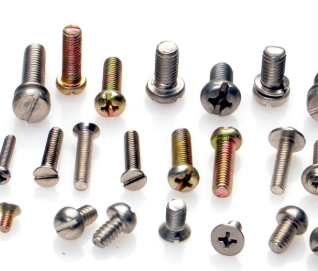
 SCREWS
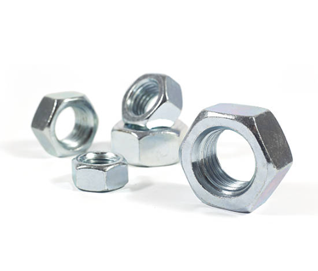 NUTS
NUTS
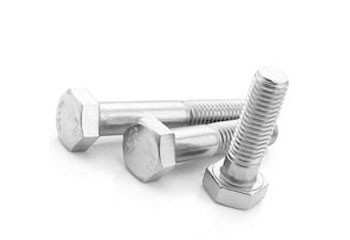 BOLTS
BOLTS
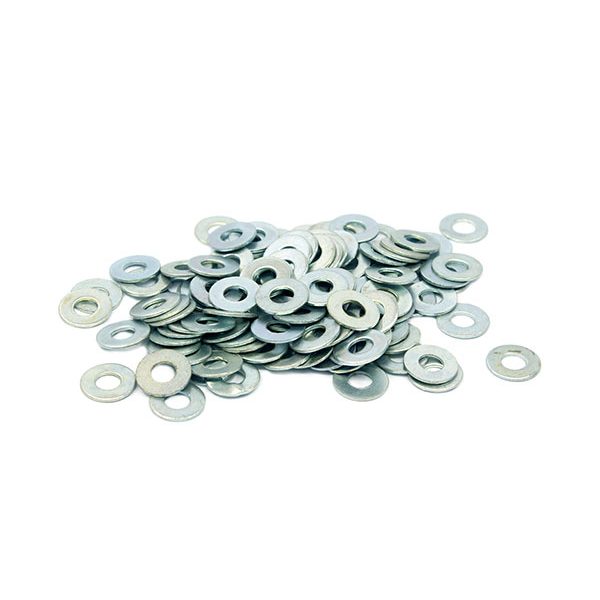 WASHERS
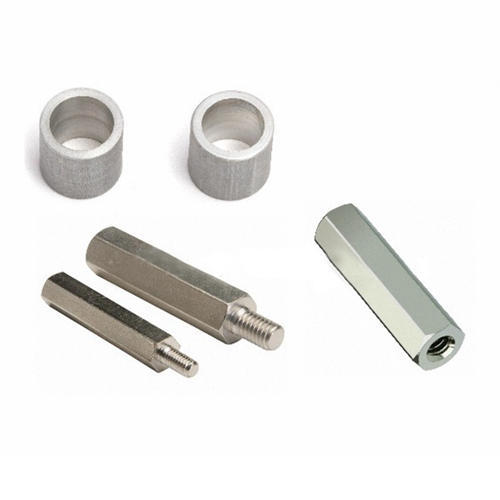 SPACERS & STANDOFFS
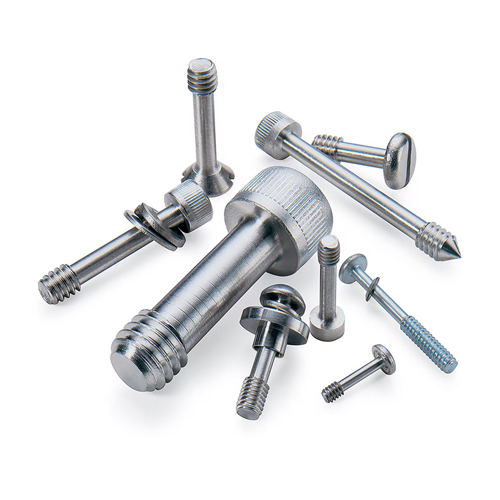 PRECISION/CUSTOM PARTS
 PINS
PINS
 WIRE HANDLING
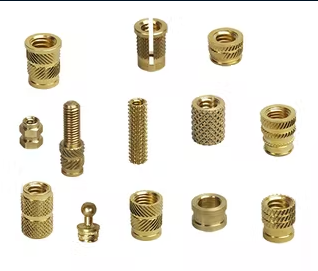 INSERTS
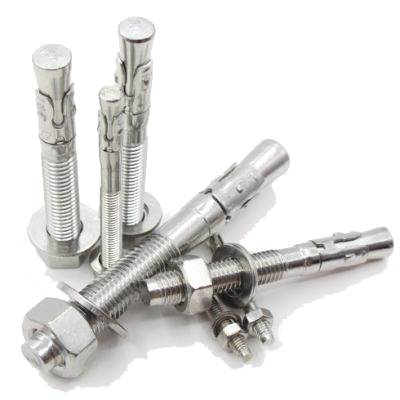 ANCHORS
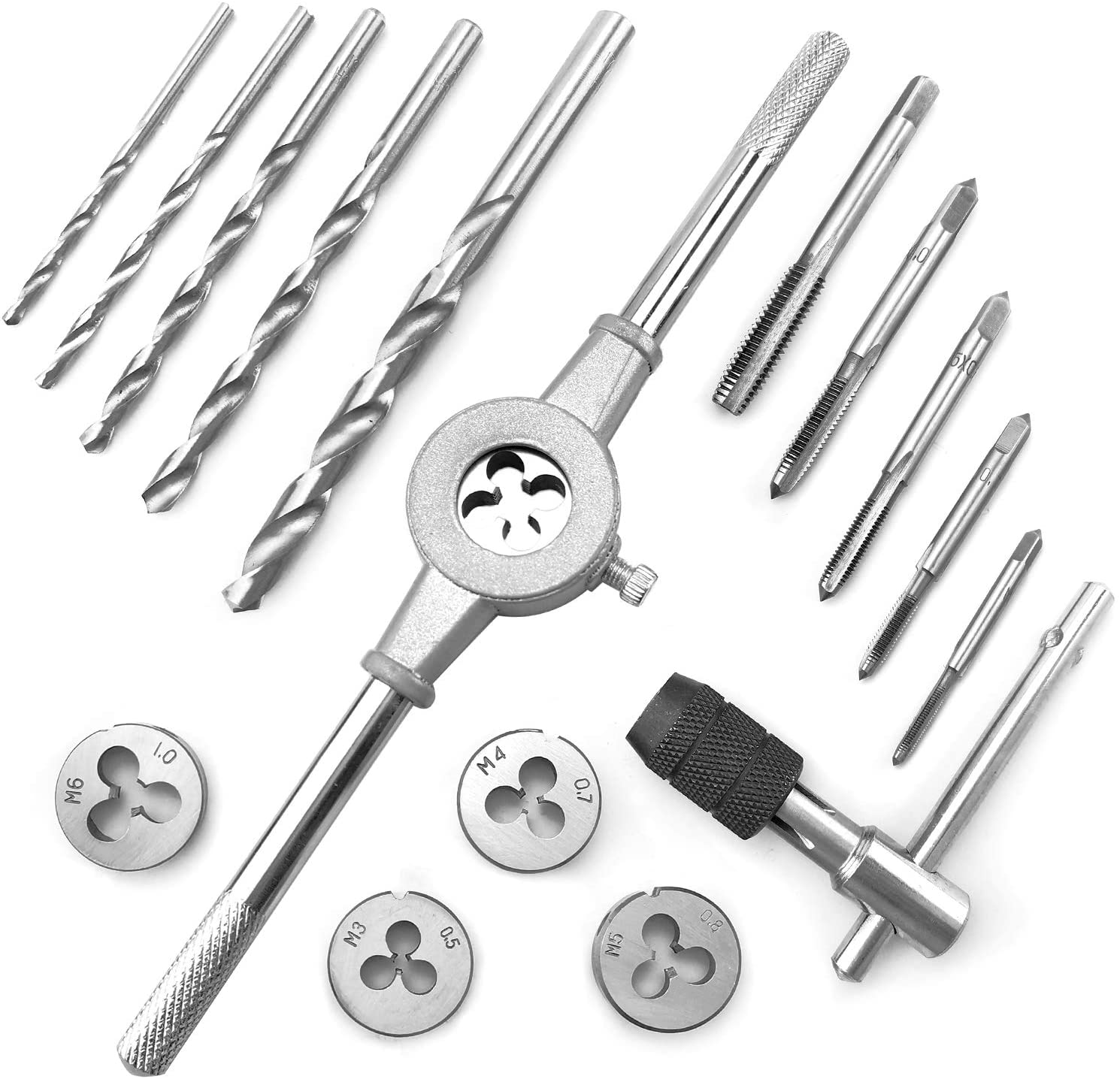 DRILL BITS, TAPS, & DIES
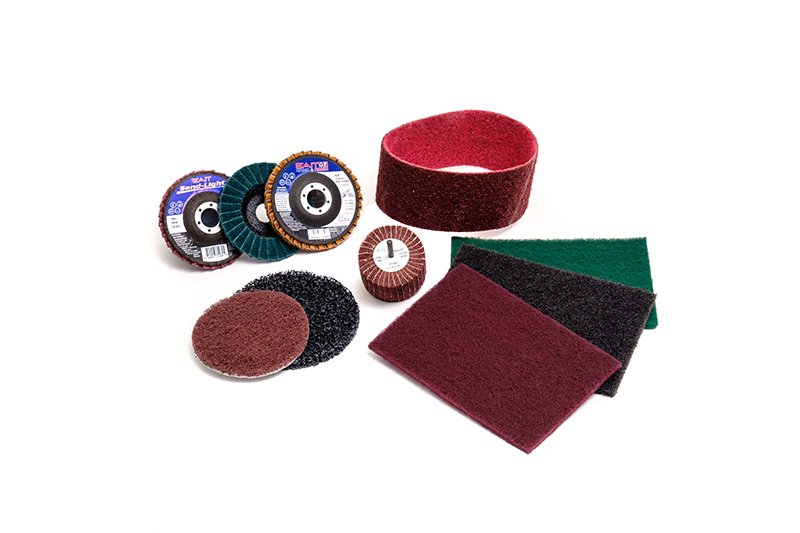 ABRASIVES & SAWBLADES
 SAFETY EQUIP.
 MISC.
MISC.
 MATERIAL TYPES
 PLATING TYPES
The Versatility of Grade 5 Bolts in Industrial Applications
Created at : Feb 9, 2026
Strength, Reliability, and Knowing When They’re the Right Choice
In the industrial world, fasteners are rarely an afterthought. The performance, safety, and longevity of equipment and structures often come down to something as seemingly simple as a bolt. Among the most widely used fasteners across industries, Grade 5 bolts have earned their reputation as a dependable, all-purpose solution for countless applications.
From construction and manufacturing to equipment installation and maintenance, Grade 5 bolts strike a critical balance between strength, ductility, and cost. Understanding where they excel—and where they shouldn’t be used—is essential for engineers, contractors, and maintenance professionals alike.
What Are Grade 5 Bolts?
Grade 5 bolts are manufactured from medium carbon steel that has been heat-treated to achieve increased strength. They are easily identified by three radial lines on the bolt head, a standard marking used across the fastener industry.
Key characteristics include:
- Minimum tensile strength: ~120,000 PSI
- Good balance of strength and flexibility
- Typically zinc-plated for corrosion resistance
- Widely available in standard diameters and lengths
This combination makes Grade 5 bolts a go-to choice for industrial environments that demand reliability without unnecessary overengineering.
Industrial Applications of Grade 5 Bolts
Construction and Structural Applications
In construction, Grade 5 bolts are commonly used for light to medium structural connections where dependable clamping force is required, but extreme load ratings are not.
Common uses include:
- Secondary steel framing and support members
- Bracing systems and substructures
- Stairs, handrails, guardrails, and safety rail systems
- Canopies, awnings, and mezzanine components
These applications benefit from the bolt’s ductility, which allows it to absorb stress and vibration rather than failing suddenly under load.
Grade 5 bolts are also frequently used for wood-to-steel and light steel connections, such as:
- Post bases
- Ledger attachments
- Framing tie-ins
When paired with proper washers, they help distribute load evenly and reduce the risk of pull-through.
Machinery and Industrial Equipment
Grade 5 bolts are a staple in manufacturing and industrial machinery because they perform well under repeated stress and vibration.
Typical applications include:
- Production equipment assemblies
- Conveyors and material handling systems
- Agricultural and processing machinery
- Machine guarding and support frames
Their ability to maintain clamping force while tolerating dynamic loads makes them ideal for equipment that operates continuously or experiences cyclical motion.
Equipment Anchoring and Facility Installations
In industrial facilities, Grade 5 bolts are often used to anchor equipment to concrete pads or steel structures.
Examples include:
- HVAC units
- Pumps and compressors
- Generators and mechanical skids
- Industrial fixtures and platforms
These installations demand consistent holding power without excessive hardness that could lead to cracking or failure during vibration or thermal expansion.
Maintenance, Repair, and OEM Manufacturing
Grade 5 bolts are frequently specified for:
- OEM assemblies
- Maintenance and repair operations
- General industrial hardware installations
Because they are widely available and cost-effective, they are often the default choice when engineers need a reliable fastener for non-critical structural or mechanical joints.
Why Grade 5 Bolts Are So Widely Used
The popularity of Grade 5 bolts comes down to their
balanced performance profile
:
- Strong enough for most industrial and construction loads
- More forgiving than higher-grade bolts, reducing brittle failure risk
- Easier to install and remove than ultra-high-strength fasteners
- Cost-effective, especially for large-scale projects
Compared to Grade 8 bolts, Grade 5 fasteners provide excellent strength while retaining flexibility—an important factor in environments with vibration, movement, or thermal cycling.
When Not to Use Grade 5 Bolts
Despite their versatility, Grade 5 bolts are not universal solutions. Using them in the wrong application can compromise safety and compliance.
Applications Where Grade 5 Bolts Are Typically Not Recommended
- Primary load-bearing structural steel connections
- Bridges and high-rise construction
- Critical structural joints governed by building codes
- Applications requiring ASTM A325 or A490 structural bolts
In these cases, engineers and building codes often specify dedicated structural fasteners designed to handle extreme loads, controlled tightening, and specific shear requirements.
Grade 5 bolts should also be avoided in:
- Applications requiring exceptional corrosion resistance (where stainless or coated fasteners may be needed)
- Extremely high-load or fatigue-critical joints
Code Compliance and Engineering Considerations
While Grade 5 bolts are commonly approved for secondary structural and industrial applications, they should always be selected in accordance with:
- Local and national building codes
- Engineer or architect specifications
- Load, shear, and environmental requirements
When in doubt, verification ensures both performance and compliance.
A Reliable Industrial Standard—When Used Correctly
Grade 5 bolts remain one of the most trusted fasteners in industrial and construction environments because they offer strength, reliability, and versatility without unnecessary complexity. When used in the right applications—secondary structural connections, machinery assembly, equipment anchoring, and general industrial use—they provide long-lasting performance at an excellent value.
Just as important, knowing when not to use Grade 5 bolts ensures safer structures, longer equipment life, and full compliance with engineering standards.
In industrial fastening, the right bolt makes all the difference—and Grade 5 continues to prove why it’s a standard choice across industries.