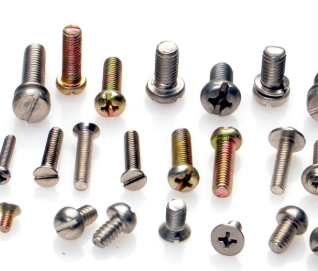
 SCREWS
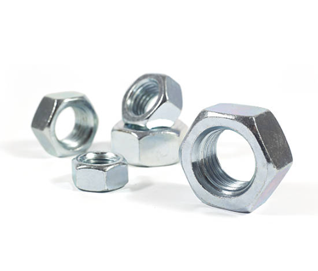 NUTS
NUTS
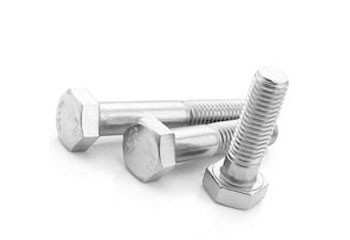 BOLTS
BOLTS
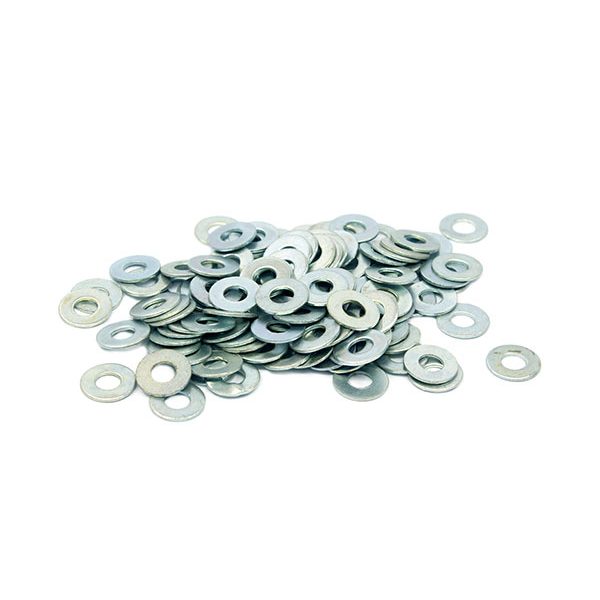 WASHERS
 SPACERS & STANDOFFS
 PRECISION/CUSTOM PARTS
 PINS
PINS
 WIRE HANDLING
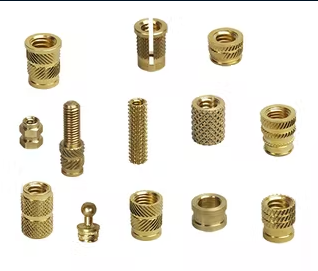 INSERTS
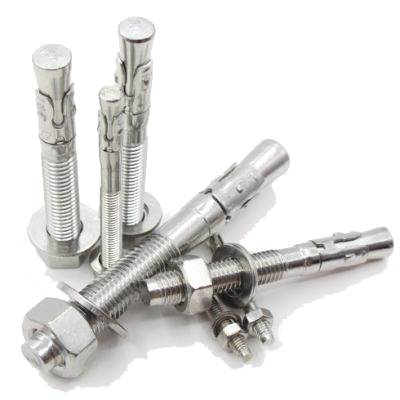 ANCHORS
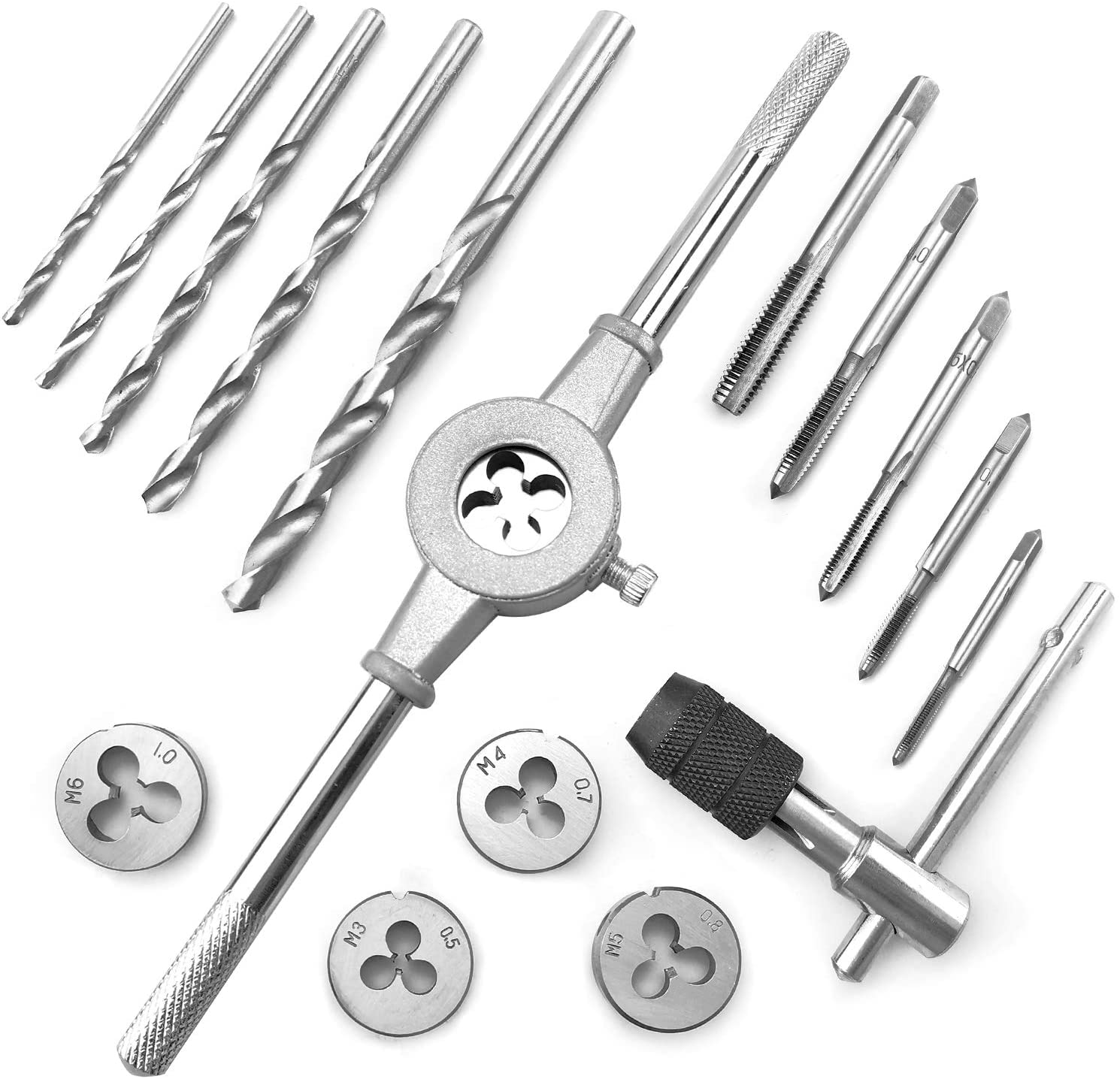 DRILL BITS, TAPS, & DIES
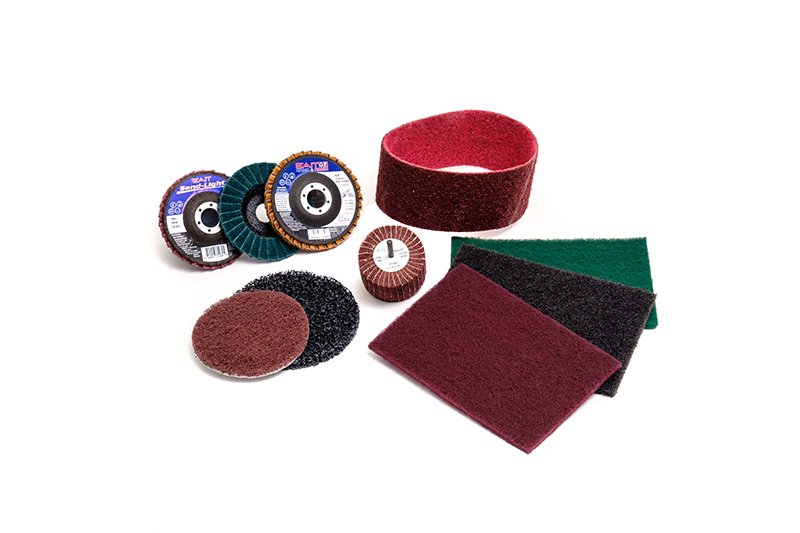 ABRASIVES & SAWBLADES
 SAFETY EQUIP.
 MISC.
MISC.
 MATERIAL TYPES
 PLATING TYPES
Tapered Pins: Uses, Applications, and Benefits in Industrial Manufacturing
Created at : Jul 15, 2026
Tapered pins are precision-engineered fasteners designed to accurately locate, align, and secure two or more components in mechanical assemblies. Unlike straight dowel pins, tapered pins feature a slight, consistent taper along their length, allowing them to create a tight, self-locking fit when inserted into a matching tapered hole. This unique design makes them an ideal solution for applications where precise alignment, repeatable assembly, and dependable holding power are essential.
From industrial machinery and automotive components to aerospace systems and manufacturing equipment, tapered pins provide a simple yet highly effective method of securing critical parts while maintaining exact positioning over years of continuous service. Their ability to create a strong mechanical connection without relying on threaded hardware has made them a trusted fastening solution across countless industries.
What Is a Tapered Pin?
A tapered pin is a cylindrical metal fastener manufactured with a gradual taper, most commonly following a standard taper ratio of 1:48. This slight reduction in diameter along the length of the pin allows it to wedge tightly into a correspondingly tapered hole, creating a secure interference fit. As the pin is driven into place, it naturally centers itself within the hole, producing highly accurate alignment while resisting movement caused by vibration or heavy mechanical loads.
Tapered pins are commonly manufactured from hardened carbon steel, alloy steel, stainless steel, and other specialty materials chosen to match the requirements of specific applications. They are also available in plain, threaded, and internal-thread styles, allowing users to select the configuration that best fits their installation and maintenance needs. Regardless of the style, the basic principle remains the same: the taper creates a self-locking connection that is both reliable and easy to reproduce whenever the assembly is disassembled and reassembled.
Why Tapered Pins Stand Apart
One of the primary reasons tapered pins continue to be widely used is their ability to combine precise positioning with dependable fastening. Unlike many other mechanical fasteners that primarily clamp components together, tapered pins are specifically designed to establish and maintain accurate alignment. Every time the pin is installed, the taper guides it into the exact same position, making it invaluable for machinery that requires regular servicing or periodic component replacement.
The wedging action created by the taper distributes loads evenly throughout the contact surface rather than concentrating stress in a single location. This even load distribution helps reduce wear on surrounding components while providing excellent resistance to loosening. Since tapered pins rely on friction generated by the interference fit instead of threaded engagement, they perform exceptionally well in equipment exposed to constant vibration and shock.
Common Industrial Applications
Tapered pins can be found in nearly every sector of manufacturing because accurate component positioning is essential to reliable machine performance. In industrial machinery, they are frequently used to locate bearing housings, machine frames, gearbox components, and precision tooling. Their ability to return components to the exact same location after maintenance minimizes downtime and eliminates the need for time-consuming realignment procedures.
Power transmission systems also rely heavily on tapered pins. Gears, sprockets, pulleys, flywheels, and couplings are often secured with tapered pins to prevent rotational movement between the mounted component and the shaft. This creates a dependable mechanical connection capable of transmitting substantial torque while still allowing the assembly to be serviced when necessary.
Manufacturing facilities frequently incorporate tapered pins into jigs, fixtures, molds, and production tooling. Whether in CNC machining centers, welding fixtures, or injection molding equipment, repeatable positioning is critical for maintaining tight dimensional tolerances. Because tapered pins consistently relocate tooling to the same position, they improve production accuracy while reducing setup time between manufacturing runs.
Automotive Applications
The automotive industry has long relied on tapered pins to maintain alignment in numerous mechanical systems. Steering assemblies, suspension components, transmission mechanisms, engine timing systems, and differential housings all benefit from the precision positioning that tapered pins provide. Their resistance to vibration is particularly valuable in vehicles, where thousands of miles of continuous operation can gradually loosen conventional fasteners. By maintaining secure alignment under repeated stress, tapered pins contribute to improved performance, reliability, and component longevity.
Aerospace and Defense
In aerospace manufacturing, precision is not simply desirable—it is essential. Aircraft engines, landing gear systems, hydraulic assemblies, structural components, and flight control mechanisms all require exact positioning to function safely and efficiently. Tapered pins help engineers achieve the repeatable accuracy necessary for these demanding applications.
The aerospace industry also values the predictable performance of tapered pins during maintenance procedures. Components that are removed for inspection can be reinstalled with confidence, knowing the pins will guide each part back into its original position without requiring extensive recalibration.
Heavy Industrial Equipment
Mining equipment, material handling systems, packaging machinery, food processing equipment, printing presses, and countless other industrial machines depend on tapered pins to maintain accurate alignment under demanding operating conditions. Many of these systems operate around the clock while experiencing continuous vibration, high loads, and fluctuating temperatures. The self-locking characteristics of tapered pins help ensure that critical components remain securely positioned throughout years of operation.
By preventing unwanted movement between assembled parts, tapered pins reduce wear on bearings, shafts, gears, and housings. This not only extends equipment life but also lowers maintenance costs and minimizes costly production interruptions.
Marine and Agricultural Applications
Marine environments present unique challenges because equipment must withstand both vibration and corrosion. Stainless steel tapered pins are commonly used in propulsion systems, steering assemblies, pumps, and deck equipment where corrosion resistance is critical. Their secure interference fit allows marine machinery to continue operating reliably despite constant exposure to moisture and saltwater.
Agricultural machinery also benefits from the durability of tapered pins. Tractors, combines, balers, planters, and irrigation equipment experience heavy vibration, impact loading, dirt, and changing weather conditions throughout the growing season. Tapered pins help maintain the alignment of critical mechanical components, reducing downtime during planting and harvest when equipment reliability is most important.
The Advantages of Tapered Pins
The widespread use of tapered pins stems from several significant engineering advantages. Their greatest benefit is their ability to deliver highly accurate, repeatable alignment every time components are assembled. This precision improves equipment performance while simplifying maintenance procedures.
Their self-locking design also eliminates many of the issues associated with threaded fasteners. Once installed, tapered pins resist loosening under vibration without requiring lock washers, adhesives, or secondary retention devices. This dependable holding power makes them well suited for demanding industrial environments.
Another important advantage is their ability to withstand substantial shear loads while distributing forces evenly across the tapered contact surface. This balanced load distribution reduces stress concentrations and contributes to the long service life of both the pin and the surrounding components.
Despite their secure fit, tapered pins remain serviceable. Threaded and internally threaded versions allow maintenance personnel to remove the pins using specialized extraction tools without damaging expensive machinery. This combination of strength, precision, and serviceability explains why tapered pins continue to be specified for critical mechanical assemblies.
Selecting the Right Tapered Pin
Choosing the appropriate tapered pin requires careful consideration of the application. Engineers evaluate the required diameter, length, material, load capacity, environmental conditions, and desired corrosion resistance before selecting a pin. The proper combination of these factors ensures reliable performance while preventing excessive stress on the assembly.
Material selection is particularly important. Hardened carbon steel provides excellent strength for many industrial applications, while alloy steels offer enhanced performance under higher loads. Stainless steel is often selected for corrosive environments such as marine, food processing, and chemical manufacturing facilities, where resistance to rust is essential for long-term reliability.
Proper Installation Matters
Achieving the full performance benefits of a tapered pin depends on proper installation. Both mating components must be drilled and reamed with the correct tapered reamer to create matching holes. Once prepared, the pin is driven into place until it seats firmly, creating a precise interference fit without excessive force.
When installed correctly, the taper distributes loads evenly while providing excellent resistance to vibration and movement. Overdriving the pin can make future removal unnecessarily difficult, while insufficient seating may compromise holding strength. Following accepted installation practices ensures consistent performance throughout the life of the assembly.
Why Manufacturers Continue to Choose Tapered Pins
Despite advances in fastening technology, tapered pins remain one of the most effective solutions for applications requiring both precision alignment and secure retention. Their simple design delivers exceptional reliability while allowing components to be repeatedly assembled and disassembled without sacrificing accuracy. Whether positioning gears, aligning shafts, locating production tooling, or securing structural assemblies, tapered pins continue to provide dependable performance in some of the world's most demanding industrial environments.
TS Fasteners: Your Source for Quality Tapered Pins
When precision and reliability are critical, partnering with an experienced fastener supplier makes all the difference. TS Fasteners supplies high-quality tapered pins for manufacturers, OEMs, maintenance professionals, and industrial facilities across a wide range of industries. Whether you require standard tapered pins or specialty fastening solutions for unique applications, our knowledgeable team can help you identify the right product for your project.
With a commitment to quality, dependable inventory, and exceptional customer service, TS Fasteners is ready to support your manufacturing and maintenance needs with fastening solutions you can trust.