 SCREWS
 NUTS
NUTS
 BOLTS
BOLTS
 WASHERS
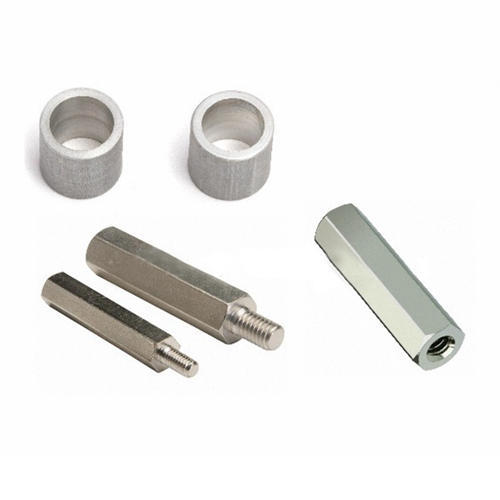 SPACERS & STANDOFFS
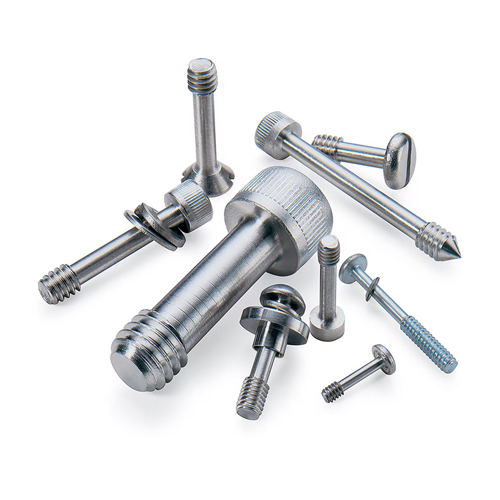 PRECISION/CUSTOM PARTS
 PINS
PINS
 WIRE HANDLING
 INSERTS
 ANCHORS
 DRILL BITS, TAPS, & DIES
 ABRASIVES & SAWBLADES
 SAFETY EQUIP.
 MISC.
MISC.
 MATERIAL TYPES
 PLATING TYPES
Understanding Specialty U-Bolts: When Standard Fasteners Aren't Enough
Created at : Jun 19, 2026
What Are Specialty U-Bolts?
Specialty U-bolts are custom-designed fasteners engineered for applications where standard U-bolts cannot provide the proper fit, strength, or durability. Like traditional U-bolts, they feature a curved shape with threaded ends that allow them to securely clamp around pipes, tubing, structural members, or other components. What sets specialty U-bolts apart is that they are manufactured with specific dimensions, materials, coatings, or configurations to meet the demands of unique industrial applications.
Unlike off-the-shelf fasteners that are produced in standardized sizes, specialty U-bolts are tailored to the equipment or structure they will support. This customization ensures a secure fit, improved load distribution, and long-term reliability, especially in environments where vibration, corrosion, or heavy loads are common. For industries that rely on precision and durability, specialty U-bolts often provide the safest and most cost-effective fastening solution.
Why Standard U-Bolts Aren't Always Enough
Standard U-bolts are suitable for many general-purpose applications, but industrial equipment often presents challenges that require more specialized hardware. A pipe may have an unusual diameter, a structural member may have a square or rectangular profile, or the fastener may need to withstand extreme temperatures, corrosive chemicals, or continuous vibration. In these situations, using a standard U-bolt can lead to poor fitment, uneven clamping pressure, premature wear, or even fastener failure.
Specialty U-bolts solve these problems by being designed specifically for the intended application. Manufacturers can modify virtually every aspect of the fastener, including the inside width, leg length, bend radius, thread length, material, finish, and overall strength. The result is a fastener that performs exactly as required rather than forcing the application to adapt to a standard part.
Common Types of Specialty U-Bolts
One of the most common varieties is the heavy-duty U-bolt. Manufactured from larger-diameter steel rod and designed to handle significantly higher loads, these fasteners are widely used in commercial vehicles, trailers, heavy machinery, and structural support systems. Their increased strength allows them to withstand the constant vibration and dynamic loading associated with industrial equipment.
Stainless steel U-bolts are another popular specialty option. Produced from materials such as Type 304 or Type 316 stainless steel, these fasteners offer outstanding corrosion resistance in environments where moisture, saltwater, or chemicals are present. They are commonly specified for marine equipment, food processing facilities, water treatment plants, and chemical processing operations where rust resistance is critical.
Not every application involves round tubing. Square U-bolts are specifically designed with 90-degree bends that fit around square or rectangular structural members. These are frequently used in utility trailers, agricultural equipment, structural steel fabrication, and industrial framework where a conventional round U-bolt would not provide proper contact.
Semi-round U-bolts offer another specialized configuration, combining characteristics of both round and square designs. They are commonly found in trailer suspension systems, axle assemblies, and pipe mounting applications where they provide excellent load distribution while accommodating unique component shapes.
Length is another area where customization becomes important. Long-leg U-bolts are designed for applications requiring greater thread engagement or thicker mounting assemblies, while short-leg designs are ideal when installation space is limited. By selecting the proper dimensions, engineers can ensure secure fastening without unnecessary excess material.
Material Selection Makes a Difference
One of the defining characteristics of a specialty U-bolt is the material from which it is manufactured. Material selection directly influences strength, corrosion resistance, operating temperature, and overall service life.
Carbon steel remains one of the most common choices because it provides an excellent balance of strength and affordability for general industrial applications. When higher tensile strength is required, alloy steel offers superior mechanical properties that make it well suited for heavy equipment and structural applications.
For harsh outdoor environments, stainless steel provides exceptional resistance to rust and corrosion. Type 304 stainless is commonly used in general outdoor applications, while Type 316 stainless offers additional protection against saltwater and chemical exposure, making it particularly valuable in marine and coastal environments.
Some applications require even greater protection against corrosion. Hot-dip galvanized U-bolts receive a thick zinc coating that significantly extends service life in outdoor environments, while specialty alloys such as silicon bronze and Monel are selected for highly corrosive marine or chemical processing applications where conventional materials would deteriorate rapidly.
Thread Configurations and Protective Finishes
Specialty U-bolts often feature custom thread configurations designed around the installation requirements of a particular assembly. Depending on the application, manufacturers may produce fully threaded or partially threaded U-bolts, as well as designs with extended threaded sections for thicker mounting brackets. Rolled threads are frequently preferred because they improve fatigue resistance and maintain the strength of the fastener, particularly in high-vibration environments.
Protective coatings also play a significant role in specialty U-bolt performance. Zinc plating provides economical corrosion protection for indoor use, while hot-dip galvanizing offers much greater durability outdoors. Other finishes, including black oxide, mechanical galvanizing, epoxy coatings, PTFE coatings, powder coating, and Xylan® coatings, are selected to improve resistance to corrosion, chemicals, abrasion, or high temperatures depending on the operating environment.
Industries That Depend on Specialty U-Bolts
Specialty U-bolts are used throughout nearly every industrial sector because few fastening solutions offer the same combination of strength, versatility, and customization.
In the transportation industry, they are essential components of commercial truck suspensions, trailer axles, leaf spring assemblies, exhaust systems, and cargo equipment. These applications place tremendous stress on the fasteners, making proper engineering essential for safety and performance.
Construction professionals rely on specialty U-bolts to secure structural steel, piping systems, HVAC equipment, conduit, and heavy mechanical installations. Custom dimensions often allow installers to work with unique structural layouts that cannot accommodate standard hardware.
The oil and gas industry presents some of the harshest operating environments imaginable. Specialty U-bolts are commonly used to support process piping, secure pump assemblies, stabilize drilling equipment, and mount components on offshore platforms where vibration, heavy loads, and corrosive conditions are constant concerns.
Agricultural equipment also benefits from custom U-bolts. Tractors, harvesters, irrigation systems, and other farm machinery operate under demanding conditions that include rough terrain, constant vibration, mud, moisture, and exposure to fertilizers or chemicals. Properly engineered fasteners help maximize equipment reliability throughout long operating seasons.
Marine applications require particularly high levels of corrosion resistance. Specialty stainless steel or bronze U-bolts are used on docks, boat trailers, vessels, and coastal infrastructure where constant exposure to saltwater would quickly damage ordinary carbon steel fasteners.
Utility companies likewise depend on specialty U-bolts for securing conduit, transmission equipment, cable supports, transformers, and renewable energy infrastructure such as solar panel mounting systems. These applications often require custom dimensions along with long-term weather resistance.
The Benefits of Specialty U-Bolts
Choosing a specialty U-bolt provides several important advantages beyond simply obtaining the correct dimensions. A properly engineered fastener distributes clamping pressure evenly across the assembly, reducing stress concentrations that could damage pipes, tubing, or structural components. Improved load distribution also helps prevent loosening under vibration, one of the leading causes of mechanical failures in industrial equipment.
Material selection further enhances performance by ensuring the fastener can withstand the intended operating environment. Whether resisting corrosion, supporting extremely heavy loads, or maintaining strength at elevated temperatures, the right material contributes directly to equipment reliability and longevity.
Specialty U-bolts also reduce maintenance costs. Because they fit correctly and are engineered for the application, they experience less wear and require fewer replacements over the life of the equipment. Although custom fasteners may involve a higher initial investment, their extended service life often results in a lower total cost of ownership.
Perhaps most importantly, specialty U-bolts improve safety. Critical industrial assemblies depend on fasteners that perform consistently under demanding conditions. A properly specified U-bolt minimizes the risk of loosening, fatigue failure, or structural damage, helping protect both equipment and personnel.
When Should You Specify a Specialty U-Bolt?
Specialty U-bolts become the preferred solution whenever a standard product cannot fully satisfy the application's requirements. This may include situations involving unusual dimensions, exceptionally heavy loads, corrosive operating environments, high vibration, unique structural profiles, or engineering specifications that call for specialized materials or finishes. In many industries, custom U-bolts are not simply an upgrade—they are an essential component of a safe and reliable design.
Conclusion
Specialty U-bolts provide the flexibility and performance needed for today's demanding industrial applications. By customizing dimensions, materials, coatings, thread configurations, and strength characteristics, manufacturers can produce fasteners that precisely match the requirements of a specific project. Whether securing structural steel, supporting industrial piping, mounting heavy machinery, or operating in harsh marine or chemical environments, specialty U-bolts deliver dependable performance where standard fasteners fall short. For engineers, contractors, and maintenance professionals, selecting the right specialty U-bolt helps improve safety, reduce maintenance, extend equipment life, and ensure long-term operational reliability.