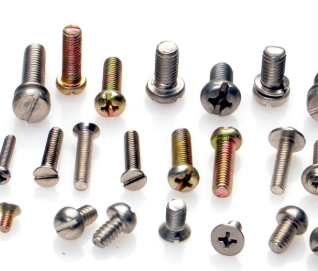
 SCREWS
 NUTS
NUTS
 BOLTS
BOLTS
 WASHERS
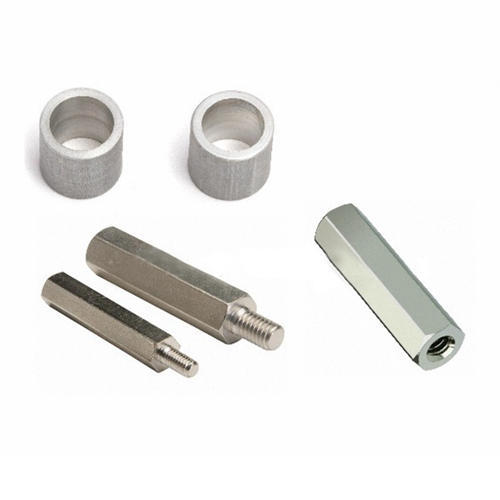 SPACERS & STANDOFFS
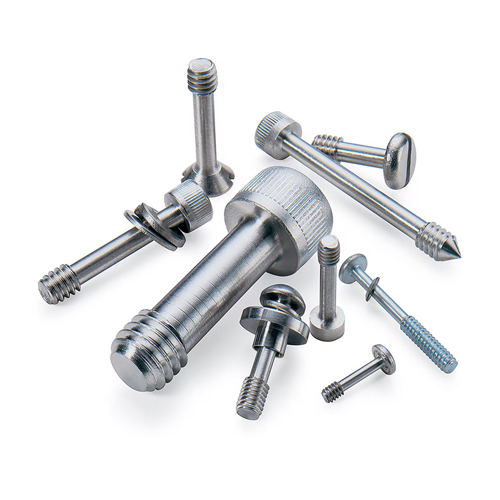 PRECISION/CUSTOM PARTS
 PINS
PINS
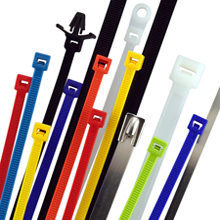 WIRE HANDLING
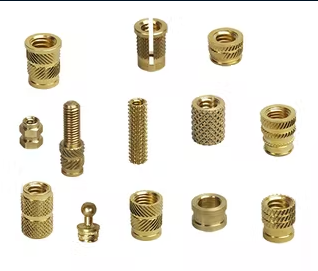 INSERTS
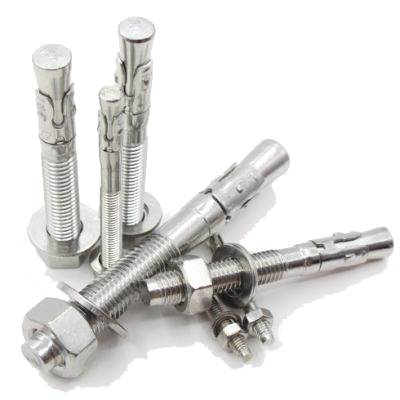 ANCHORS
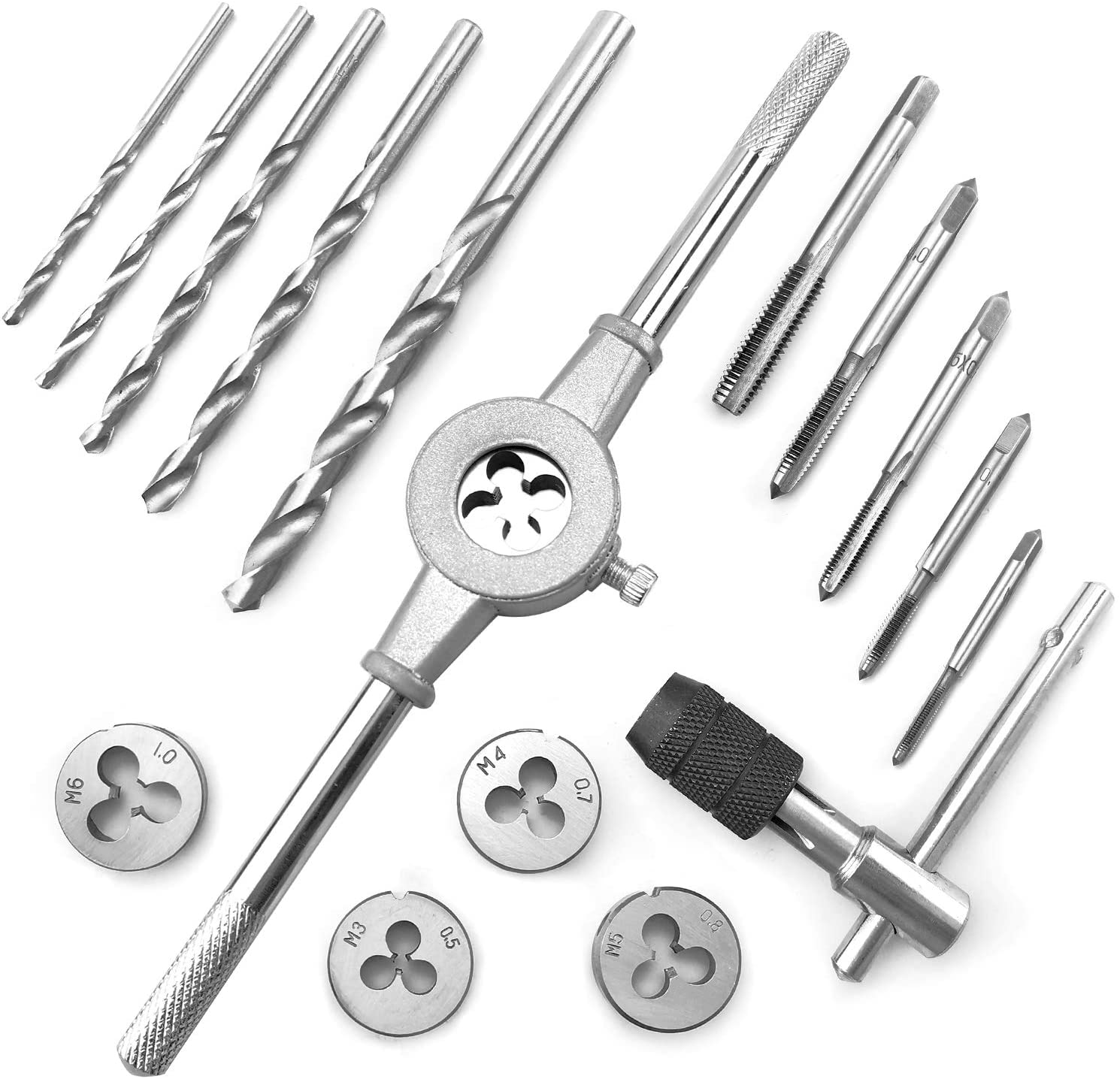 DRILL BITS, TAPS, & DIES
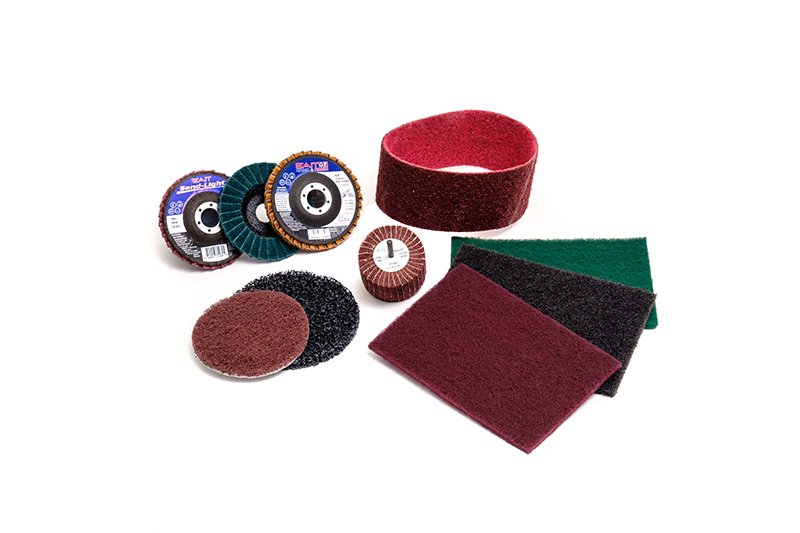 ABRASIVES & SAWBLADES
 SAFETY EQUIP.
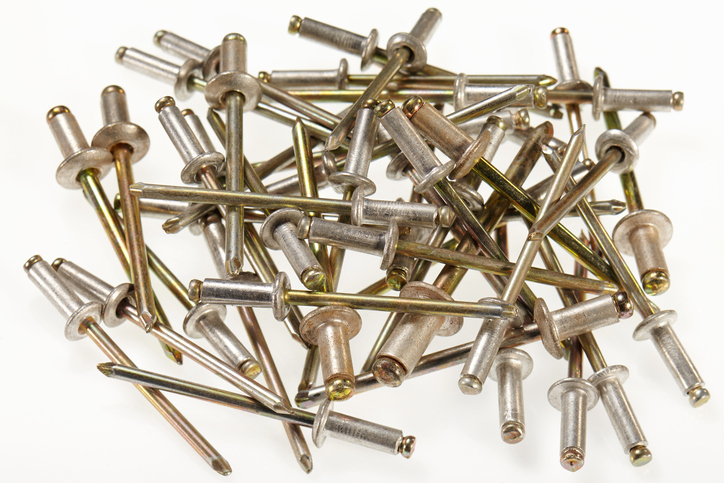 MISC.
MISC.
 MATERIAL TYPES
 PLATING TYPES
What Are Captive Panel Screws? A Complete Guide to Their Uses and Benefits
Created at : Jul 29, 2026
In industries where equipment must be serviced regularly, losing a small fastener can create a surprisingly large problem. A missing screw can delay maintenance, damage expensive equipment, or even create safety hazards if it falls into sensitive machinery. Captive panel screws were designed to eliminate these issues by remaining permanently attached to the panel or cover they secure.
From aerospace and electronics to telecommunications and industrial manufacturing, captive panel screws have become a preferred fastening solution because they simplify maintenance while improving reliability and safety.
What Is a Captive Panel Screw?
A captive panel screw is a threaded fastener that remains attached to a removable panel even after it has been completely loosened. Unlike traditional screws that fall free once removed, captive panel screws are engineered with a retention mechanism that prevents them from separating from the panel.
The screw can be loosened enough to remove the access panel, but it stays connected to the panel itself. This simple design prevents misplaced hardware while making routine maintenance faster and more efficient.
Many captive panel screws include features such as knurled heads, slotted heads, Phillips drives, Torx drives, or combination drives to accommodate various installation methods and applications.
How Do Captive Panel Screws Work?
Captive panel screws use a retaining feature that locks the screw into the panel during installation. Depending on the design, this retention may be accomplished using:
- Retaining rings
- Shoulder designs
- Special grooves
- Spring-loaded mechanisms
- Swaged or press-fit retainers
When the screw is tightened, it threads normally into the mating component. When loosened, the threads disengage from the receiving hole, but the retaining feature keeps the screw attached to the access panel.
The result is a fastener that is always available when the panel needs to be reinstalled.
Why Are Captive Panel Screws Used?
Captive panel screws solve several common maintenance and assembly problems.
Prevent Lost Hardware
The most obvious benefit is preventing lost screws. Maintenance personnel no longer need to keep track of loose hardware while servicing equipment.
Faster Maintenance
Since the screws remain attached to the panel, technicians spend less time collecting, organizing, or replacing hardware. Panels can be opened and reinstalled much more quickly.
Improved Equipment Safety
Loose screws inside electrical cabinets, machinery, or aircraft can create significant safety concerns. Captive fasteners eliminate this risk by ensuring the hardware remains attached.
Reduced Downtime
Industrial facilities value every minute of uptime. By simplifying panel removal and replacement, captive panel screws help reduce maintenance time and return equipment to service more quickly.
Better Inventory Control
Because screws are less likely to be lost during servicing, companies spend less money replacing missing fasteners.
Common Applications for Captive Panel Screws
Captive panel screws are used wherever access panels require frequent removal.
Electronics
Electronic enclosures often contain sensitive components that require periodic inspection or upgrades. Captive panel screws simplify access while preventing loose hardware from falling onto circuit boards.
Common examples include:
- Computer servers
- Networking equipment
- Control panels
- Test equipment
- Medical electronics
Industrial Equipment
Manufacturing equipment frequently requires maintenance access for lubrication, repairs, inspections, and cleaning.
Captive panel screws are commonly found on:
- Machine guards
- Electrical cabinets
- Hydraulic systems
- Pneumatic equipment
- Industrial control enclosures
Aerospace
Aircraft manufacturers use captive panel screws extensively because foreign object debris (FOD) can pose serious safety risks. A loose screw left inside an aircraft can damage critical systems.
Applications include:
- Access panels
- Avionics compartments
- Interior panels
- Inspection covers
- Engine access doors
Telecommunications
Communication equipment often contains removable service panels that technicians access for upgrades and repairs.
Captive fasteners are frequently used in:
- Data centers
- Rack-mounted equipment
- Fiber optic systems
- Telecommunications cabinets
Medical Equipment
Medical devices require reliable access for servicing while minimizing contamination risks. Captive screws help ensure hardware remains accounted for during maintenance.
Materials Used for Captive Panel Screws
Captive panel screws are manufactured from a variety of materials depending on the application's environmental requirements.
Stainless Steel
Stainless steel provides:
- Excellent corrosion resistance
- High strength
- Attractive appearance
- Long service life
It is commonly used in outdoor, food processing, marine, and medical applications.
Carbon Steel
Carbon steel offers:
- High mechanical strength
- Good wear resistance
- Lower cost
Protective finishes such as zinc plating help improve corrosion resistance.
Aluminum
Aluminum captive screws provide:
- Lightweight construction
- Corrosion resistance
- Good strength-to-weight ratio
They are widely used in aerospace and electronics.
Brass
Brass offers excellent corrosion resistance and electrical conductivity, making it suitable for electrical and decorative applications.
Available Head Styles
Captive panel screws are available with numerous head configurations to meet different installation requirements.
Popular styles include:
- Knurled thumb screws
- Pan head
- Truss head
- Flat head
- Cheese head
- Low-profile head
Knurled heads are particularly popular because they allow tool-free operation during routine maintenance.
Drive Types
Manufacturers offer captive panel screws with several drive options.
Common drives include:
- Phillips
- Slotted
- Torx
- Hex socket
- Combination drives
- Thumb-operated designs
The appropriate drive depends on the desired balance between installation speed, security, and torque requirements.
Thread Options
Captive panel screws are available in both inch and metric thread sizes, including:
- UNC
- UNF
- Metric coarse
- Metric fine
Choosing the proper thread depends on the mating component and industry standards.
Industries That Depend on Captive Panel Screws
Because maintenance efficiency is important across many sectors, captive panel screws are used throughout numerous industries, including:
- Aerospace
- Defense
- Electronics
- Telecommunications
- Medical device manufacturing
- Industrial automation
- Transportation
- Renewable energy
- Food processing
- Laboratory equipment
Advantages Over Standard Machine Screws
Although standard machine screws perform well in many applications, captive panel screws offer several distinct advantages where removable panels are involved.
The most significant difference is that they remain attached to the panel, dramatically reducing the possibility of lost hardware. This leads to quicker service, fewer replacement parts, improved equipment reliability, and lower maintenance costs over the life of the equipment.
Captive panel screws also contribute to better workplace organization. Maintenance technicians can focus on the repair itself rather than managing small hardware that can easily be dropped or misplaced.
Choosing the Right Captive Panel Screw
Selecting the proper captive panel screw depends on several factors.
Consider the operating environment, including moisture, chemicals, vibration, and temperature extremes. Material selection should provide adequate corrosion resistance and mechanical strength for the application.
Head style should match the maintenance process. Equipment serviced frequently may benefit from knurled thumb screws that require no tools, while high-security applications may require Torx or hex drives.
Thread size, panel thickness, retention method, and finish should also be evaluated to ensure compatibility with the equipment.
Why Quality Matters
Captive panel screws may seem like small components, but they play an important role in equipment reliability and maintainability. Precision manufacturing ensures smooth operation, consistent retention, proper thread engagement, and long service life.
Working with an experienced fastener supplier ensures access to high-quality captive panel screws available in a wide range of materials, finishes, thread sizes, and configurations. Whether the application involves electronics, aerospace, industrial machinery, or telecommunications equipment, the right captive fastening solution can improve maintenance efficiency while reducing downtime and preventing lost hardware.
Conclusion
Captive panel screws are a simple yet highly effective fastening solution for equipment that requires routine access. By remaining permanently attached to removable panels, they eliminate lost hardware, speed maintenance, improve safety, and reduce operating costs.
For manufacturers, maintenance teams, and equipment designers seeking reliable fastening solutions, captive panel screws offer an efficient way to improve serviceability while maintaining secure panel attachment. Choosing the correct material, head style, drive type, and retention method ensures dependable performance across a wide range of demanding industrial applications.