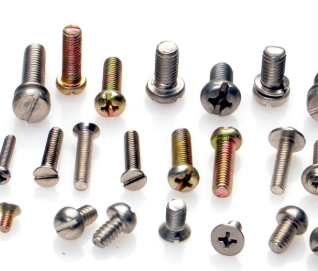
 SCREWS
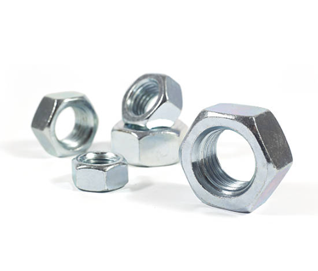 NUTS
NUTS
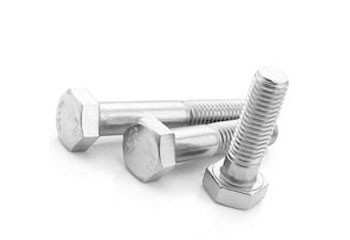 BOLTS
BOLTS
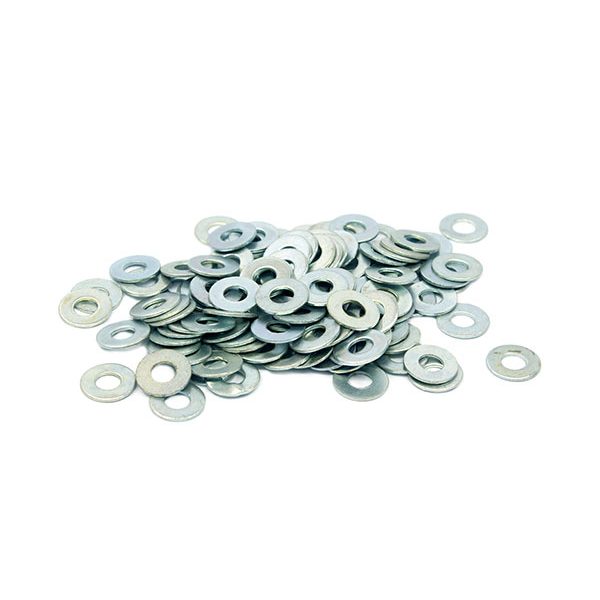 WASHERS
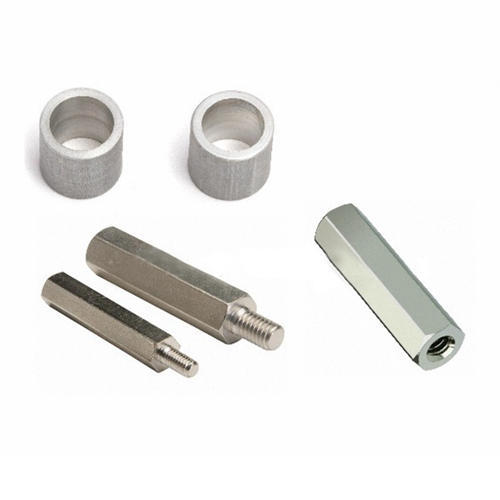 SPACERS & STANDOFFS
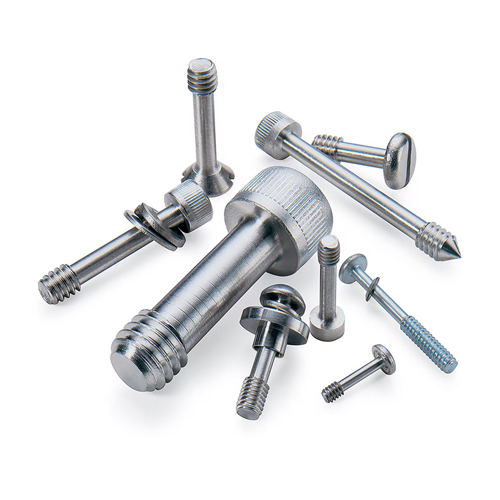 PRECISION/CUSTOM PARTS
 PINS
PINS
 WIRE HANDLING
 INSERTS
 ANCHORS
 DRILL BITS, TAPS, & DIES
 ABRASIVES & SAWBLADES
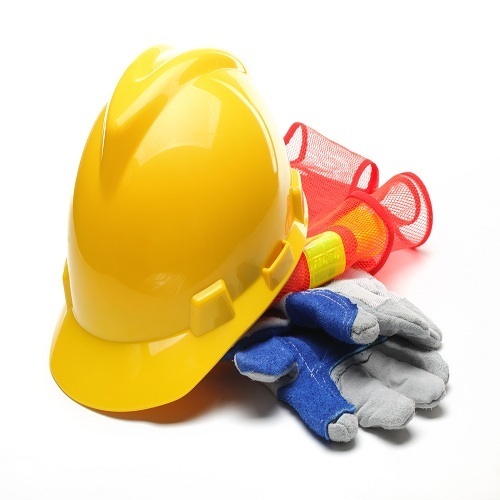 SAFETY EQUIP.
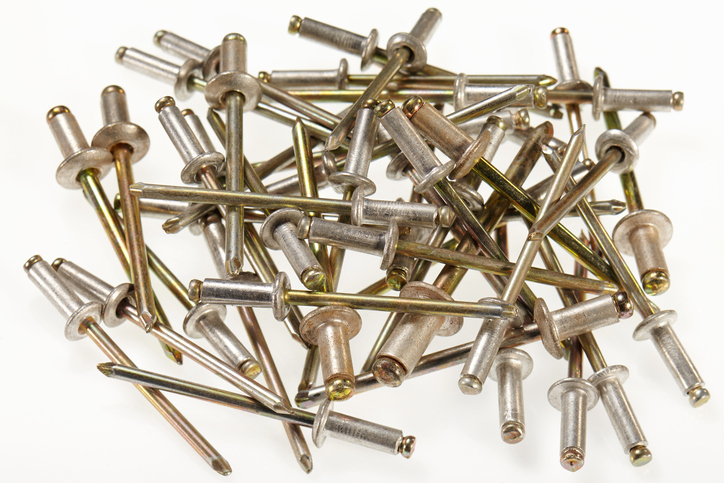 MISC.
MISC.
 MATERIAL TYPES
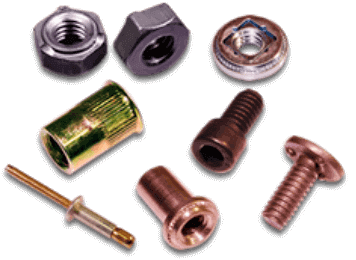 PLATING TYPES
Anchor Bolts in Industrial Applications: The Hidden Hardware Holding Industry Together
Created at : Dec 30, 2025
Walk through any industrial facility—a manufacturing plant, power station, refinery, or fabrication shop—and you’ll see massive machines humming, steel columns reaching overhead, and platforms carrying people and materials safely above the floor. What you likely won’t notice are the components doing some of the most critical work of all: anchor bolts.
Anchor bolts are rarely visible once a facility is up and running, but they are essential to industrial safety, precision, and longevity. These steel fasteners form the mechanical connection between concrete foundations and the equipment or structures built on top of them, quietly transferring loads, resisting vibration, and keeping operations aligned day after day.
What anchor bolts really do in industrial settings
At their core, anchor bolts embed into concrete or masonry and provide a threaded connection point for nuts, washers, and base plates. In industrial applications, however, their role goes far beyond simply “holding something down.”
Anchor bolts are engineered to:
- Transfer static and dynamic loads into concrete foundations
- Resist uplift, shear, and vibration
- Maintain precise alignment of machinery and structural systems
- Ensure long-term operational safety and reliability
In many cases, the performance of an entire system depends on the correct design and installation of these bolts.
Securing heavy industrial machinery
One of the most common industrial uses of anchor bolts is the installation of heavy machinery and production equipment. CNC machines, stamping presses, pumps, compressors, turbines, and conveyors all rely on anchor bolts to remain fixed in place during operation.
Industrial machinery generates forces that standard fasteners simply cannot handle. Continuous vibration, torque, and cyclic loading can cause movement over time if equipment is not properly anchored. Anchor bolts prevent:
- Equipment “walking” across the floor
- Misalignment of shafts, bearings, and tooling
- Premature wear or catastrophic failure
Typically, anchor bolts pass through a machine’s base plate and are secured with heavy-duty nuts and washers. A layer of non-shrink grout is often added beneath the base plate to ensure full surface contact and even load distribution.
Anchoring structural steel and industrial frameworks
Anchor bolts are equally critical in structural steel construction. Steel columns, pipe racks, mezzanines, stair systems, and platforms all depend on anchor bolts to tie the steel superstructure into the concrete foundation below.
In these applications, anchor bolts:
- Transfer axial loads from columns into footings
- Resist lateral forces caused by wind, seismic activity, or moving equipment
- Provide stability during both construction and long-term use
Most structural anchor bolts are cast in place, meaning they are positioned before concrete is poured. This requires precise planning, as even small placement errors can delay installation or require costly rework.
Managing vibration and dynamic loads
Unlike residential or light commercial construction, industrial environments often involve continuous motion and vibration. Equipment may run 24/7, producing cyclic forces that stress both fasteners and foundations.
In these situations, anchor bolts are carefully selected and sized to handle:
- Fatigue loading
- Impact forces
- Thermal expansion and contraction
They are frequently used alongside vibration-isolation pads, leveling nuts, or spring systems. Together, these components protect both the equipment and the surrounding structure from long-term damage.
Industries such as power generation, chemical processing, and heavy manufacturing place especially high demands on anchor bolt performance.
Retrofitting and equipment relocation
Industrial facilities are rarely static. Production lines change, equipment is upgraded, and layouts evolve. When new machinery or structures must be added to an existing slab, post-installed anchor bolts become essential.
These include:
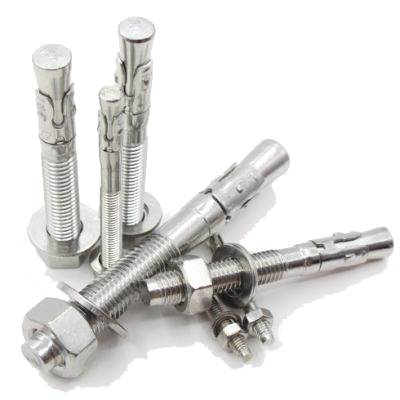
- Mechanical anchors, such as wedge or sleeve anchors
- Chemical (epoxy) anchors, which bond threaded rods into drilled holes using high-strength resin
Chemical anchors are often preferred in industrial retrofits because they perform well in:
- High-load applications
- Cracked concrete
- Tight edge distances or closely spaced anchors
They also allow for deeper embedment and greater flexibility when original drawings are unavailable.
Safety systems and industrial infrastructure
Not all industrial anchor bolts are used for massive equipment. Many are critical to personnel safety and facility protection.
Anchor bolts secure:
- Guardrails and handrails
- Safety barriers and bollards
- Ladders and access platforms
- Pipe supports and overhead systems
While these applications may involve lower loads than heavy machinery, they are often governed by strict safety codes. Proper anchor selection and installation ensure compliance with OSHA, IBC, and other regulatory standards.
Precision matters: templates, alignment, and torque
In industrial environments, anchor bolt installation is rarely left to chance. For cast-in-place anchors, steel or plywood templates are commonly used to hold bolts in exact position during concrete placement. These templates control:
- Bolt spacing
- Vertical alignment
- Projection height above the concrete surface
Once equipment or structural steel is installed, anchor bolts are tightened to specified torque values. Over-tightening can damage threads or concrete, while under-tightening can compromise load transfer and vibration resistance. In many facilities, torque values are documented as part of quality control and maintenance records.
Materials and environmental considerations
Industrial anchor bolts must also withstand harsh environments. Depending on the application, bolts may be exposed to:
- Moisture and humidity
- Chemicals or corrosive vapors
- Extreme temperatures
To address this, anchor bolts are manufactured in various materials and finishes, including:
- Plain or zinc-plated carbon steel
- Hot-dip galvanized steel
- Stainless steel for corrosion resistance
Material selection plays a major role in long-term durability and maintenance costs.
Why anchor bolts are engineered components—not commodities
Although they may look simple, anchor bolts are
engineered load-transfer components. Their diameter, length, embedment depth, spacing, and material are all carefully calculated based on:
- Equipment weight and operating forces
- Concrete strength and condition
- Environmental exposure
- Applicable building and safety codes
Cutting corners on anchor bolt design or installation can lead to equipment failure, structural damage, safety hazards, and costly downtime.
The foundation of industrial reliability
In industrial facilities, success depends on precision, safety, and reliability. Anchor bolts quietly support all three. From holding massive machines in alignment to securing platforms and guardrails, these fasteners form the critical link between concrete foundations and the systems that keep industry moving.
They may be hidden beneath base plates and grout, but without anchor bolts, modern industrial operations simply wouldn’t stand up—literally or figuratively.