 SCREWS
 NUTS
NUTS
 BOLTS
BOLTS
 WASHERS
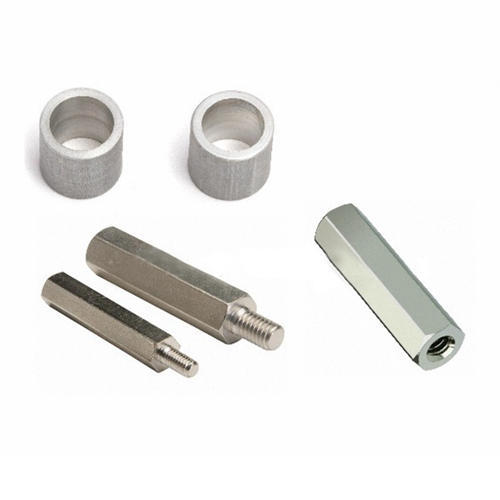 SPACERS & STANDOFFS
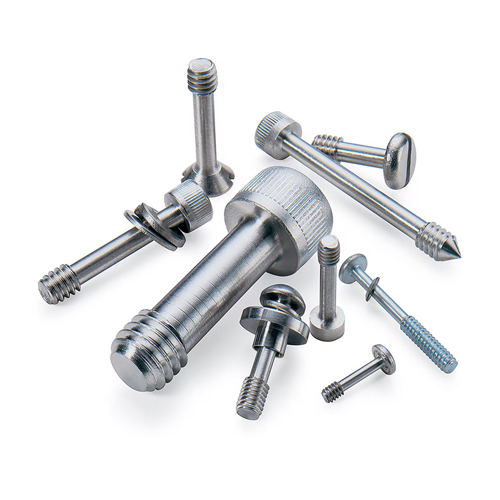 PRECISION/CUSTOM PARTS
 PINS
PINS
 WIRE HANDLING
 INSERTS
 ANCHORS
 DRILL BITS, TAPS, & DIES
 ABRASIVES & SAWBLADES
 SAFETY EQUIP.
 MISC.
MISC.
 MATERIAL TYPES
 PLATING TYPES
The Role of A325 Structural Bolts in Structural Steel Construction
Created at : Jan 7, 2026
In modern structural steel construction, strength is only as reliable as the connections holding the structure together. While beams, columns, and girders often receive the spotlight, it is the bolted connections—and the fasteners within them—that quietly ensure a building stands firm under gravity, wind, seismic forces, and long-term service loads. Among these fasteners, the A325 structural bolt has long been one of the most widely used and trusted components in steel framing.
What Is an A325 Structural Bolt?
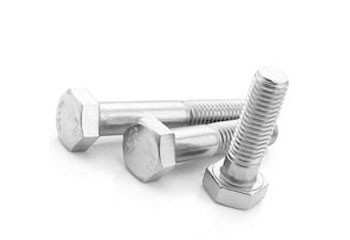
An A325 structural bolt, now formally classified under ASTM F3125 Grade A325, is a high-strength fastener specifically engineered for structural steel connections. Unlike general-purpose bolts, A325 bolts are designed to perform predictably under heavy loads and are used as part of a complete structural bolting assembly, which includes a heavy hex bolt, heavy hex nut, and hardened washer(s).
Their mechanical properties—most notably their high tensile strength—make them suitable for load-bearing steel joints where failure is not an option. As a result, A325 bolts are governed by strict design, installation, and inspection standards established by organizations such as AISC (American Institute of Steel Construction) and the RCSC (Research Council on Structural Connections).
Why Connections Matter in Steel Frames
A structural steel building is essentially a system for transferring forces. Gravity loads travel from floors to beams, from beams to columns, and ultimately to the foundation. Lateral forces such as wind and seismic activity introduce additional stresses that must be safely distributed throughout the frame.
A325 bolts play a critical role in this force transfer by creating reliable joints between steel members. In practice, they are commonly used in:
- Beam-to-column connections
- Beam splices
- Bracing connections
- Column splices
- Miscellaneous steel framing and support structures
In each case, the bolt group must safely transfer forces without excessive movement, deformation, or failure.
Bearing-Type Connections: The Most Common Application
The majority of A325 bolts in building construction are used in bearing-type connections. In these joints, load is transferred after a small, controlled amount of slip occurs. Once the bolt shank contacts the side of the hole, the force is resisted through:
- Bolt shear, where the bolt resists sideways force
- Bearing on the connected plates, where the steel around the hole resists crushing
This connection type is widely used because it is efficient, economical, and well understood. Typical examples include beam shear tabs, double-angle connections, and many field-installed beam splices. Minor slip is acceptable in these applications and does not affect the performance or safety of the structure.
Slip-Critical Connections: When Movement Is Not Acceptable
In certain situations, even small amounts of slip are undesirable. This is where slip-critical connections come into play. In these joints, A325 bolts are pretensioned—tightened to a specified high level—so that the connected plates are clamped together with enough force to resist loads through friction alone.
Slip-critical connections are commonly required when:
- Structural alignment must be maintained
- The joint is sensitive to vibration or fatigue
- Oversized or slotted holes are used
- The connection plays a key role in bracing or moment resistance
In these cases, the performance of the joint depends not only on the bolts themselves but also on the condition of the faying surfaces (the mating steel surfaces). Coatings, paint, or galvanizing must meet specific friction requirements to ensure adequate slip resistance.
Installation States: Snug-Tight vs. Pretensioned
From a construction standpoint, A325 bolts are typically installed in one of two states:
- Snug-tight: The bolt is tightened until all connected plies are in firm contact. This is standard for many bearing-type connections.
- Pretensioned: The bolt is tightened to achieve a specified clamping force. This is required for slip-critical connections and some specialized bearing connections.
Pretension is achieved using approved methods such as turn-of-nut, calibrated wrench tightening, tension-control bolts, or direct tension indicators. The chosen method must align with project specifications and inspection requirements.
Hole Types and Their Impact on Design
Bolt holes in structural steel are not always identical, and their geometry directly affects how A325 bolts perform. Standard holes are the most common and are suitable for both bearing-type and slip-critical connections. Oversized or slotted holes, often used to accommodate erection tolerances or thermal movement, typically require slip-critical design to prevent unintended joint movement.
As hole geometry becomes more permissive, the importance of proper pretension and surface preparation increases.
Why A325 Bolts Are So Widely Used
A325 bolts strike a practical balance between strength, cost, availability, and versatility. They provide ample capacity for most building applications without the additional restrictions or higher cost associated with stronger grades like A490. For this reason, engineers frequently specify A325 bolts for general structural framing, particularly in low- to mid-rise buildings and industrial structures.
The Unsung Backbone of Steel Construction
While rarely noticed once a building is complete, A325 structural bolts are fundamental to the safety and performance of steel structures. They transform individual beams and columns into a unified, load-resisting system. Through careful design, proper installation, and rigorous inspection, these bolts ensure that structural steel frames behave exactly as engineers intend—quietly, reliably, and for decades to come.
In the world of structural steel construction, A325 bolts may be small components, but their impact is anything but.