 SCREWS
 NUTS
NUTS
 BOLTS
BOLTS
 WASHERS
 SPACERS & STANDOFFS
 PRECISION/CUSTOM PARTS
 PINS
PINS
 WIRE HANDLING
 INSERTS
 ANCHORS
 DRILL BITS, TAPS, & DIES
 ABRASIVES & SAWBLADES
 SAFETY EQUIP.
 MISC.
MISC.
 MATERIAL TYPES
 PLATING TYPES
How Hex Cap Screws Are Used in Industrial Applications
Created at : Feb 25, 2026
Hex cap screws are one of the most widely used and trusted fasteners in industrial environments. From heavy equipment manufacturing to oil and gas infrastructure, these high-strength fasteners play a critical role in securing components, maintaining structural integrity, and ensuring long-term performance under demanding conditions.
What Are Hex Cap Screws?
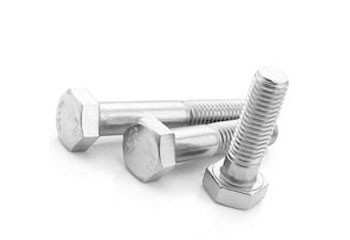
Hex cap screws are threaded fasteners with a six-sided (hexagonal) head designed to be tightened with a wrench or socket. Unlike hex bolts, true hex cap screws are manufactured to tighter tolerances and are typically used in precision, high-strength applications.
They are available in a wide range of:
- Grades (Grade 2, Grade 5, Grade 8, ASTM A307, A325, A490)
- Materials (carbon steel, alloy steel, stainless steel)
- Thread types (coarse thread, fine thread)
- Finishes (zinc-plated, hot-dip galvanized, black oxide, plain, stainless)
Because of their strength and versatility, hex cap screws are a go-to solution across virtually every industrial sector.
Why Hex Cap Screws Are Preferred in Industrial Settings
Before diving into specific applications, it’s important to understand why hex cap screws are so widely used in industrial environments.
1. High Tensile Strength
Industrial machinery and structural systems require fasteners capable of handling significant loads. Higher-grade hex cap screws—such as Grade 8 or alloy steel options—provide excellent tensile and shear strength.
2. Superior Clamping Force
Hex cap screws are designed to deliver strong clamping force when properly torqued. This is essential in applications subject to vibration, thermal expansion, or heavy stress.
3. Ease of Installation and Removal
The hex head design allows for efficient installation using standard tools like box wrenches, impact drivers, and torque wrenches. This makes maintenance and repairs more manageable.
4. Versatility Across Materials
They can be used with:
- Steel
- Aluminum
- Wood
- Plastic
- Composite materials
This adaptability makes them ideal for both heavy structural assemblies and precision equipment.
Industrial Applications of Hex Cap Screws
1. Machinery and Equipment Assembly
One of the most common uses for hex cap screws is in the assembly of industrial machinery.
They are used to fasten:
- CNC machine components
- Conveyor systems
- Hydraulic equipment
- Pumps and compressors
- Industrial presses
- Agricultural equipment
In these applications, hex cap screws must withstand vibration, dynamic loads, and continuous operation. High-strength grades ensure the equipment remains secure and aligned over time.
For machinery manufacturers, proper torque specifications and thread engagement are critical to prevent loosening under vibration.
2. Structural Steel and Construction
Hex cap screws are heavily used in structural and commercial construction projects. They are commonly found in:
- Steel frameworks
- Support columns
- Structural brackets
- Equipment platforms
- Racking systems
- Mezzanines
Structural-grade hex cap screws, such as ASTM A325 and A490, are engineered to handle significant load-bearing requirements.
In industrial construction, corrosion resistance is often a key consideration. For outdoor or moisture-prone environments, hot-dip galvanized or stainless steel hex cap screws provide added protection against rust and degradation.
3. Oil and Gas Industry
The oil and gas sector demands fasteners that can endure extreme pressure, temperature fluctuations, and corrosive environments.
Hex cap screws are used in:
- Pipeline support systems
- Valve assemblies
- Flange connections
- Drilling equipment
- Refinery infrastructure
In these settings, stainless steel hex cap screws or coated alloy fasteners are often selected for their resistance to corrosion and chemical exposure.
Proper material selection is critical to ensure compliance with industry standards and long-term safety.
4. Automotive and Transportation Equipment
Hex cap screws are essential components in the automotive and heavy transportation industries. They are commonly used in:
- Engine assemblies
- Transmission systems
- Suspension components
- Chassis construction
- Heavy truck and trailer assemblies
Because these applications involve constant vibration and mechanical stress, high-grade fasteners such as Grade 5 and Grade 8 hex cap screws are typically required.
Fine-thread options are often chosen in automotive applications for their increased clamping strength and resistance to loosening.
5. Manufacturing and Production Facilities
In production environments, hex cap screws are widely used to secure:
- Safety guards and machine enclosures
- Mounting brackets
- Motor bases
- Tooling fixtures
- Workstations
Manufacturers prefer hex cap screws because they can be easily replaced during routine maintenance and repairs. Their standardized sizing also simplifies inventory management for MRO (maintenance, repair, and operations) teams.
6. Power Generation and Energy Infrastructure
Power plants and energy facilities rely on hex cap screws for critical infrastructure components, including:
- Turbine housings
- Generator mounts
- Structural frames
- Transformer enclosures
Fasteners used in energy applications must meet strict performance standards, particularly regarding strength, heat resistance, and corrosion protection.
Choosing the Right Hex Cap Screw for Industrial Use
Selecting the correct hex cap screw is about more than just size. Several factors must be considered:
1. Grade and Strength Requirements
Higher-grade fasteners provide greater tensile strength. For heavy machinery or structural applications, Grade 8 or alloy steel may be required.
2. Material Selection
- Carbon Steel:
- Cost-effective and strong for general industrial use
- Alloy Steel:
- Higher strength and durability
- Stainless Steel:
- Excellent corrosion resistance for harsh environments
3. Thread Type
- Coarse Thread:
- Faster installation, better for softer materials
- Fine Thread:
- Greater clamping force and resistance to loosening
4. Environmental Conditions
Exposure to moisture, chemicals, salt air, or extreme heat will impact the required finish and material selection.
Hex Cap Screws vs. Hex Bolts: What’s the Difference?
Although often used interchangeably, hex cap screws and hex bolts are not identical.
- Hex cap screws are manufactured to tighter tolerances and are typically fully threaded or partially threaded with precise specifications.
- Hex bolts are generally used with a nut and may have looser tolerances.
In industrial applications where precision and strength matter, hex cap screws are often the preferred option.
Benefits of Sourcing Industrial Hex Cap Screws from a Reliable Supplier
In industrial settings, fastener quality directly impacts safety and performance. Working with a knowledgeable supplier ensures:
- Compliance with ASTM and SAE standards
- Consistent material quality
- Availability in multiple grades and finishes
- Reliable inventory for ongoing projects
For industries that require stainless steel hex cap screws, high-strength fasteners, or bulk quantities for production, partnering with an experienced fastener distributor is critical.
Conclusion
Hex cap screws are foundational components in industrial applications. From heavy equipment assembly and structural construction to oil and gas infrastructure and automotive systems, these fasteners deliver the strength, reliability, and versatility required in demanding environments.
Their high tensile strength, superior clamping force, and compatibility with standard tools make them indispensable across multiple industries.
Whether you're specifying fasteners for a large-scale industrial project or sourcing reliable components for manufacturing operations, understanding how hex cap screws are used—and how to select the right type—ensures performance, safety, and long-term durability.