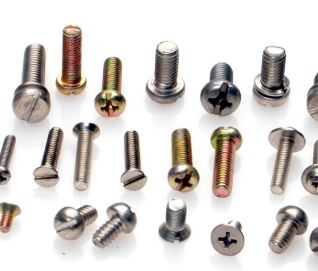
 SCREWS
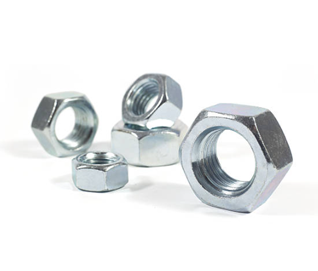 NUTS
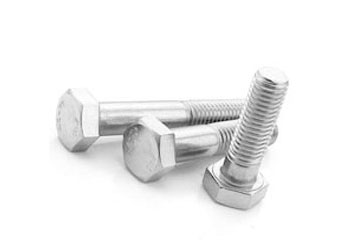 BOLTS
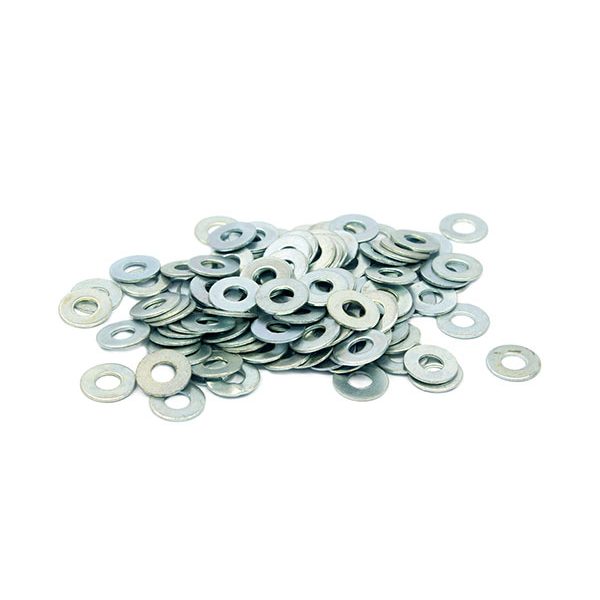 WASHERS
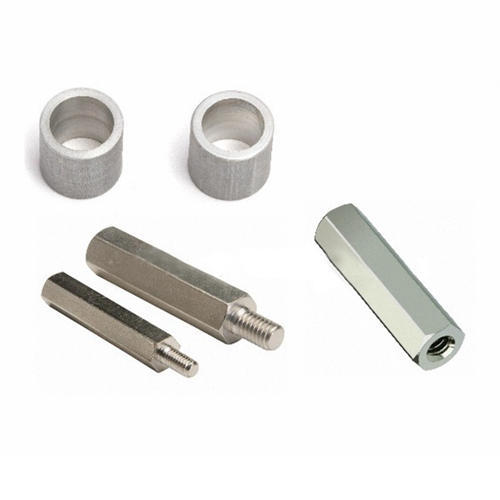 SPACERS & STANDOFFS
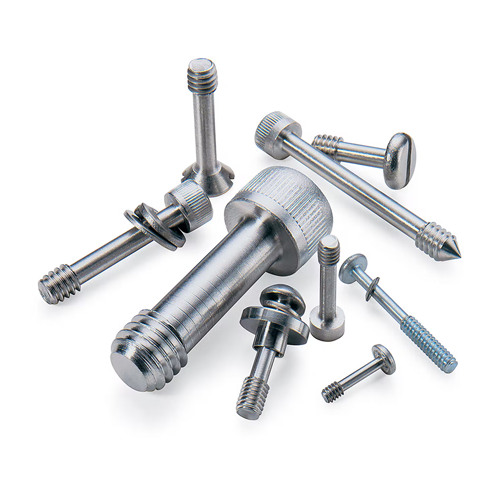 PRECISION/CUSTOM PARTS
 PINS
 WIRE HANDLING
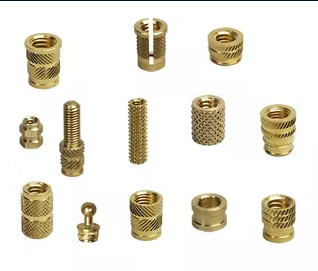 INSERTS
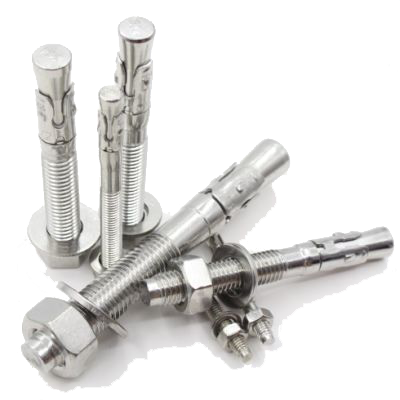 ANCHORS
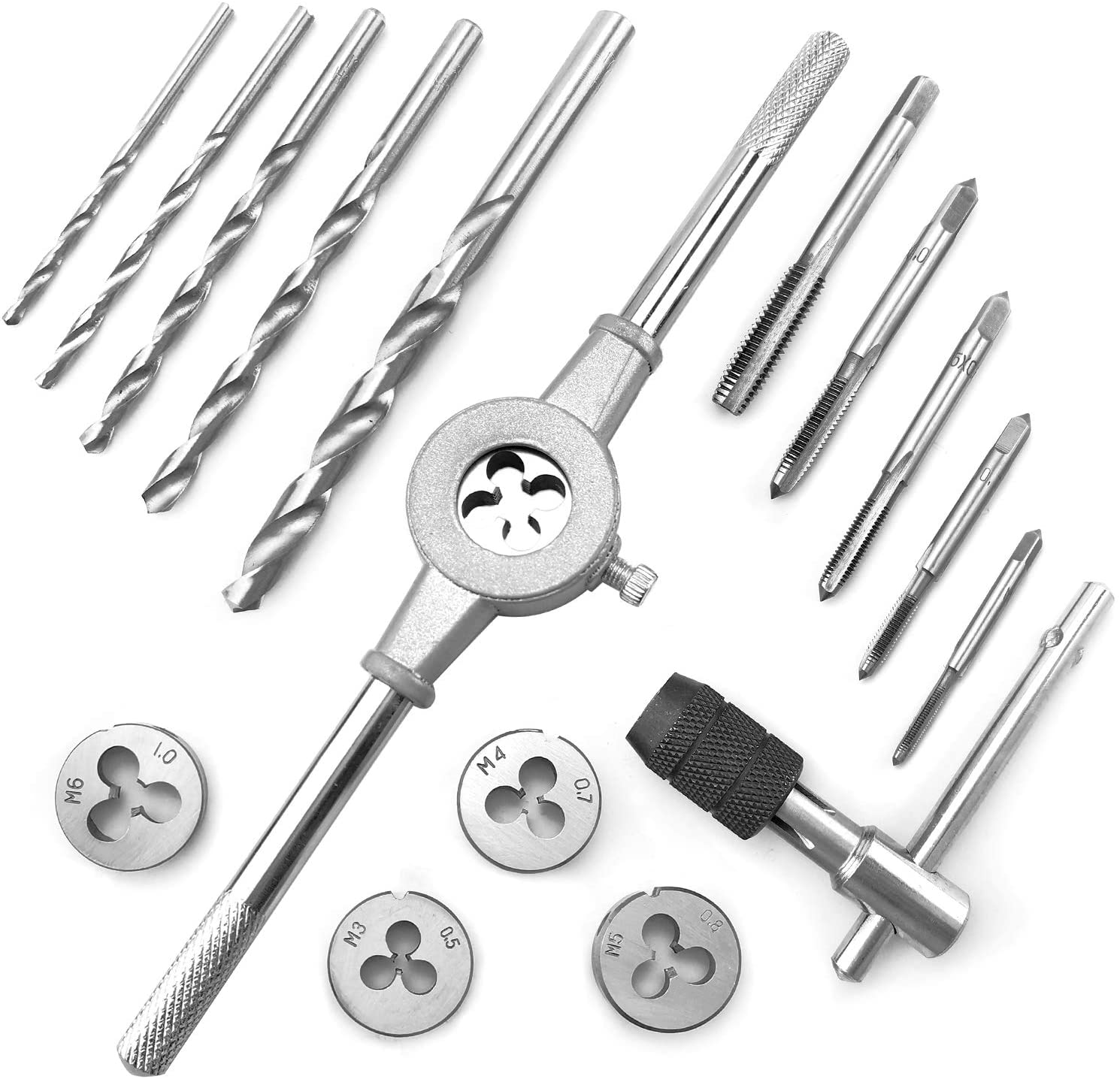 DRILL BITS, TAPS, & DIES
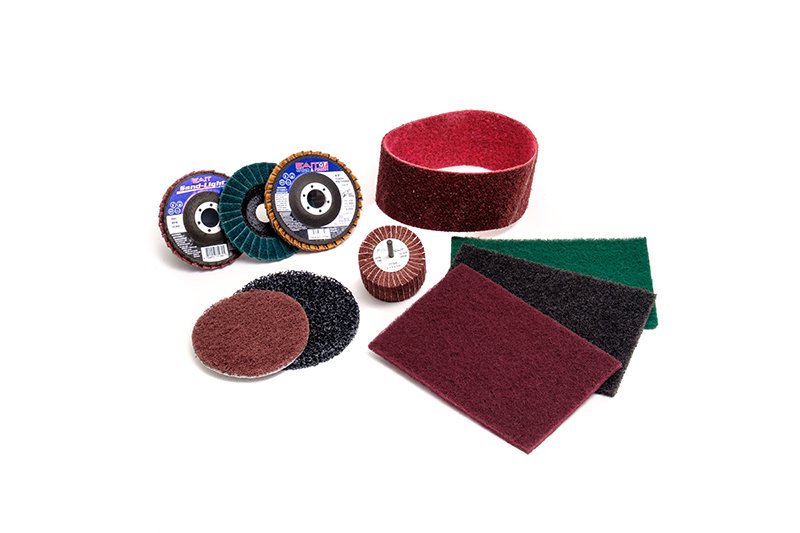 ABRASIVES & SAWBLADES
 SAFETY EQUIP.
 MISC.
 MATERIAL TYPES
 PLATING TYPES
Stainless Fasteners in Texas: Built for Tough Environments and Demanding Industrial Applications
Created at : Oct 29, 2026
Texas industries operate in some of the most demanding environments in the country. From the salt-laden air along the Gulf Coast to the high temperatures of West Texas and the demanding conditions of industrial manufacturing facilities, equipment and structural components must withstand a wide range of environmental and operational challenges. Even the smallest components can have a significant impact on performance, safety, and long-term reliability.
For manufacturers, contractors, maintenance professionals, and industrial purchasing teams, choosing the right fasteners is an important part of protecting equipment and infrastructure. Stainless steel fasteners offer an effective combination of corrosion resistance, strength, durability, and versatility, making them a popular choice across numerous Texas industries.
However, not all stainless steel fasteners deliver the same performance. Understanding material grades, application requirements, and environmental conditions can help businesses make better purchasing decisions while reducing maintenance expenses and premature component failures.
For companies searching for dependable stainless fasteners in Texas, TS Fasteners provides a knowledgeable resource for identifying fastening solutions suited to industrial and commercial applications.
Why Stainless Steel Fasteners Matter in Texas
Texas presents a unique combination of environmental conditions that can accelerate fastener deterioration. Coastal humidity, airborne salt, industrial chemicals, fluctuating temperatures, and outdoor exposure can all contribute to corrosion and material degradation.
Traditional carbon steel fasteners can perform exceptionally well in many applications, particularly when protected by appropriate coatings. However, applications involving persistent moisture, chemical exposure, or demanding sanitation requirements may benefit from stainless steel alternatives.
Stainless steel contains chromium, which forms a thin, protective oxide layer on the material's surface. This passive layer helps resist corrosion and can reform when damaged, provided suitable environmental conditions are present.
Unlike many protective coatings that can wear away or become damaged during installation, stainless steel's corrosion resistance is an inherent characteristic of the material.
This makes stainless fasteners particularly attractive for applications where long-term durability, limited maintenance access, and environmental exposure are important considerations.
Coastal Environments and Saltwater Exposure
Industrial facilities along the Texas Gulf Coast face particularly challenging corrosion conditions. Salt carried by coastal air can accumulate on exposed surfaces, accelerating deterioration of susceptible metals.
Fasteners used in coastal infrastructure, marine equipment, industrial processing facilities, and outdoor assemblies must be selected with these conditions in mind.
Stainless steel fasteners containing molybdenum, such as those manufactured from 316 stainless steel, generally provide better resistance to chloride-induced pitting than common 304 stainless steel fasteners.
Although no stainless steel is completely immune to corrosion, selecting an appropriate grade can substantially improve performance in demanding coastal environments.
Heat, Humidity, and Outdoor Industrial Equipment
Texas summers bring prolonged periods of high temperatures, while humidity and precipitation can create additional challenges for exposed equipment.
Industrial fasteners installed in outdoor machinery, structural assemblies, electrical enclosures, and processing equipment may experience repeated wetting and drying cycles.
These conditions can promote corrosion, particularly in crevices where moisture and contaminants accumulate.
Properly selected stainless steel fasteners can help maintain connection integrity and reduce the need for frequent replacement.
It is important to recognize, however, that elevated-temperature performance depends on the stainless steel grade, operating temperature, loading conditions, and duration of exposure. Corrosion resistance alone does not establish suitability for high-temperature service.
Understanding Texas Stainless Steel Fastener Grades
One of the most important considerations when purchasing stainless fasteners in Texas is material grade. Stainless steel is not a single material but a broad family of alloys with different mechanical properties and corrosion resistance characteristics.
Choosing the appropriate grade requires an understanding of the intended application rather than simply selecting a fastener labeled stainless steel.
18-8 Stainless Steel Fasteners
18-8 stainless steel is a commonly used designation for austenitic stainless steels containing approximately 18% chromium and 8% nickel. The designation is frequently encountered in commercial fastener specifications and is often associated with 304-type stainless steel.
These fasteners provide good general corrosion resistance and are widely used in equipment assembly, manufacturing, commercial construction, and other applications where moderate environmental protection is required.
For many indoor industrial applications and less aggressive outdoor environments, 18-8 stainless fasteners offer a practical balance of performance and cost.
However, 18-8 is a broad designation rather than a complete material or mechanical specification. Buyers should verify the applicable alloy, standard, and strength requirements when ordering fasteners for critical applications.
304 Stainless Steel Fasteners
304 stainless steel is one of the most widely used stainless alloys because of its versatility, corrosion resistance, and general-purpose performance.
It is frequently specified for manufacturing equipment, food-processing machinery, architectural assemblies, and industrial components exposed to moisture.
In many Texas manufacturing environments, 304 stainless steel fasteners provide sufficient protection without the additional material expense associated with more corrosion-resistant grades.
However, environments containing substantial chlorides, certain chemicals, or persistent salt deposits may require an alternative material.
316 Stainless Steel Fasteners
316 stainless steel contains molybdenum, which improves resistance to localized corrosion in many chloride-containing environments.
This makes 316 stainless fasteners particularly relevant to Texas industries operating near the Gulf Coast or working with equipment exposed to saltwater, chemical processing environments, and aggressive cleaning solutions.
Applications may include marine-related assemblies, chemical processing equipment, coastal infrastructure, and outdoor industrial installations.
Although 316 stainless steel generally offers better chloride corrosion resistance than 304, it is not universally suitable for every marine or chemical environment. Severe chloride exposure, elevated temperatures, and crevice conditions may require additional material evaluation.
Where Texas Industries Depend on Stainless Fasteners
Stainless steel fasteners support a broad range of industrial operations throughout Texas. Their value extends beyond basic corrosion resistance to include equipment longevity, maintenance efficiency, cleanliness, and reliable assembly.
Oil and Gas Equipment
The Texas oil and gas industry relies on extensive networks of machinery, processing systems, instrumentation, and supporting infrastructure.
Fasteners may be exposed to moisture, chemicals, temperature fluctuations, and corrosive operating environments.
Stainless steel fasteners are used in selected equipment housings, instrumentation assemblies, electrical components, and auxiliary systems where their material properties meet the applicable service requirements.
However, not every stainless steel grade is appropriate for pressure-containing, sour-service, or high-temperature oil and gas applications. Critical connections may require specialized alloys, controlled material properties, and compliance with applicable industry standards.
Chemical and Petrochemical Processing
Texas is home to major chemical and petrochemical manufacturing operations, particularly along the Gulf Coast.
These facilities often require fasteners capable of performing in environments involving moisture, chemical exposure, and frequent equipment cleaning.
Stainless steel bolts, nuts, washers, and specialty fastening components can provide corrosion resistance for compatible equipment and assembly applications.
Material selection should account for the specific chemicals involved, their concentrations, operating temperatures, and exposure conditions.
Food and Beverage Manufacturing
Food and beverage processing facilities frequently use stainless steel equipment because of its cleanability and resistance to many common processing environments.
Stainless fasteners are commonly incorporated into conveyor systems, processing machinery, equipment guards, and washdown-area assemblies.
Their smooth surfaces and corrosion-resistant properties can support equipment sanitation and reduce problems associated with rusting hardware.
For these applications, selecting compatible materials and appropriate fastener designs is important to minimizing contamination risks and maintaining equipment reliability.
Agricultural Equipment and Processing
Agriculture remains an important part of the Texas economy, supporting extensive operations involving crop production, livestock management, food processing, and agricultural machinery.
Fasteners used in agricultural equipment may encounter moisture, fertilizers, cleaning chemicals, and outdoor exposure.
Stainless steel components can be useful in irrigation-related equipment, processing machinery, enclosures, and specialized agricultural assemblies where corrosion resistance is a priority.
Manufacturing and Industrial Automation
Texas manufacturers depend on fastening components for machinery assembly, production equipment, material handling systems, and automated manufacturing operations.
In these environments, fastener selection affects equipment performance, serviceability, and production efficiency.
Stainless steel screws, bolts, nuts, and washers can provide reliable solutions for assemblies exposed to moisture, cleaning procedures, or corrosive process conditions.
Specialty stainless fasteners may also be needed when equipment designs require precise dimensions, specific head configurations, or unusual fastening arrangements.
Choosing the Right Stainless Steel Fastener Configuration
Material grade is only one part of the selection process. The fastener's physical design must also match the requirements of the assembly.
Stainless steel hex bolts and hex cap screws are widely used in machinery, structural equipment, and industrial assemblies requiring accessible fastening connections. Socket head cap screws offer a compact alternative for applications where space is limited or a recessed drive configuration is preferred.
Stainless steel machine screws are commonly used in equipment housings, electrical assemblies, and manufactured components. Flat head screws provide a flush mounting surface, while button head and pan head designs offer different installation and clearance characteristics.
Threaded rods and studs provide additional flexibility for mounting equipment, securing components, and creating adjustable fastening assemblies. Stainless steel nuts and washers complete these connections by distributing loads, providing appropriate thread engagement, and supporting secure installation.
For specialized applications, nonstandard dimensions, unusual thread configurations, and specific material requirements may make specialty industrial fasteners necessary.
Selecting the correct configuration helps ensure that the fastener performs as intended without creating unnecessary assembly complications.
Why Stainless Steel Fastener Strength Deserves Attention
A common misconception is that stainless steel fasteners are automatically stronger than carbon steel alternatives.
In reality, fastener strength depends on the alloy, manufacturing process, material condition, dimensions, and applicable specification.
Certain stainless steel fasteners may have lower strength ratings than high-strength alloy steel bolts. Substituting stainless steel solely for corrosion resistance without evaluating mechanical requirements can create problems in heavily loaded assemblies.
Industrial buyers should consider tensile strength, yield strength, proof load, fatigue exposure, and installation preload when evaluating fastening components.
Specifications such as ASTM F593 for certain stainless steel bolts, hex cap screws, and studs, and ASTM F594 for stainless steel nuts, establish requirements for designated materials and mechanical properties.
These standards can help purchasing professionals communicate material and performance expectations more precisely.
For applications involving substantial mechanical loads, engineers should verify that the selected stainless fasteners meet the required design criteria.
Preventing Galling During Stainless Fastener Installation
One issue that deserves particular attention is thread galling.
Galling occurs when mating metal surfaces experience adhesive wear during tightening. Stainless steel threaded components can be susceptible to this condition, especially when similar alloys are assembled under high contact pressure.
As the nut and bolt rotate against one another, localized material transfer can damage the threads. In severe cases, the connection may seize before proper tightening is achieved.
This can complicate equipment assembly, increase installation costs, and make future maintenance more difficult.
Appropriate installation practices can help reduce the risk. Depending on the application, these may include using compatible anti-seize compounds, controlling tightening speed, maintaining clean threads, and selecting suitable mating materials.
Lubrication also changes the relationship between applied torque and bolt preload, making it important to follow installation procedures developed for the specific connection.
For Texas manufacturers assembling large quantities of stainless steel components, preventing galling can contribute to more consistent production and fewer damaged fasteners.
The Long-Term Value of Quality Stainless Fasteners
Industrial purchasing decisions often begin with unit price. However, the initial cost of a fastener does not always reflect its total value.
A lower-cost fastener may be appropriate for a controlled indoor environment but become expensive when exposed to corrosive conditions.
Premature fastener deterioration can result in equipment disassembly, replacement labor, interrupted production, and additional maintenance.
For components installed in difficult-to-access locations, the labor required to replace a failed fastener may exceed the original material cost many times over.
Stainless steel fasteners can help reduce these expenses when properly matched to the operating environment.
The goal is not necessarily to specify the most expensive stainless alloy available. Instead, it is to select a material that delivers the necessary corrosion resistance and mechanical performance without unnecessary cost.
For example, a Texas manufacturer operating equipment inside a climate-controlled facility may find that 304 stainless steel provides suitable performance. A coastal processing operation experiencing frequent chloride exposure may benefit from 316 stainless steel or, under more aggressive conditions, a higher-performance alloy.
Understanding these differences supports more economical purchasing decisions over the equipment's service life.
What to Look for in a Texas Stainless Fastener Supplier
Finding the right stainless fasteners involves more than locating a supplier with a large product catalog.
Industrial buyers need confidence that the fasteners they purchase match their drawings, specifications, and application requirements.
Material identification is especially important. Similar-looking fasteners may be manufactured from different stainless steel grades, and visual inspection alone cannot reliably establish material composition or mechanical properties.
Buyers should communicate the required alloy, dimensions, thread specifications, mechanical properties, and applicable industry standards when requesting quotations.
For applications requiring documentation, material certifications or test reports should be requested and their availability confirmed before purchasing.
Product availability and sourcing flexibility are also important considerations. Manufacturing operations frequently require a combination of standard fasteners and less common specialty components.
Working with a knowledgeable industrial fastener supplier can simplify the process of identifying suitable products, evaluating alternatives, and sourcing components for demanding applications.
Sourcing Stainless Fasteners in Texas Through TS Fasteners
Texas businesses operate across a broad range of industries, but they share a common need for dependable fastening components.
Whether purchasing stainless steel hardware for manufacturing equipment in Dallas–Fort Worth, processing machinery in Houston, industrial installations in San Antonio, or maintenance operations elsewhere in Texas, selecting the right fasteners contributes to equipment performance and long-term reliability.
TS Fasteners helps industrial buyers navigate the requirements of specialty fastening applications, offering a resource for businesses seeking dependable fastener sourcing solutions.
Rather than treating every stainless steel fastener as interchangeable, purchasing professionals should evaluate the complete application, including corrosion exposure, material compatibility, mechanical loads, and installation conditions.
This approach is especially important for specialized industrial projects where standard hardware may not satisfy engineering requirements.
When requesting stainless fasteners, providing detailed specifications can help streamline the sourcing process and reduce the likelihood of ordering unsuitable components.
Find the Right Stainless Fasteners for Your Texas Operation
Texas industries demand fastening solutions that can withstand challenging operating conditions while supporting efficient equipment assembly and maintenance.
Stainless steel fasteners provide valuable corrosion resistance and versatility, but selecting the correct grade, strength, and configuration is essential to achieving dependable performance.
From general-purpose 18-8 and 304 stainless steel hardware to 316 stainless fasteners for more aggressive environments, understanding material differences can help businesses protect equipment, control maintenance costs, and avoid premature component failures.
For manufacturers, contractors, and industrial purchasing teams searching for stainless fasteners in Texas, TS Fasteners is a resource for exploring specialty industrial fastening solutions.