 SCREWS
 NUTS
 BOLTS
 WASHERS
 SPACERS & STANDOFFS
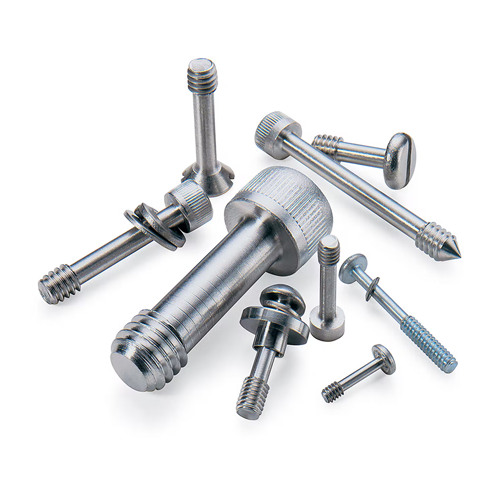 PRECISION/CUSTOM PARTS
 PINS
 WIRE HANDLING
 INSERTS
 ANCHORS
 DRILL BITS, TAPS, & DIES
 ABRASIVES & SAWBLADES
 SAFETY EQUIP.
 MISC.
 MATERIAL TYPES
 PLATING TYPES
Tamper Proof Screws: Small Fasteners That Make a Big Difference in Equipment Security
Created at : Nov 10, 2026
When manufacturers design equipment, security is often associated with locks, access controls, and electronic monitoring systems. However, one of the simplest ways to discourage unauthorized access is also one of the smallest: the screw holding an enclosure, panel, or component in place.
Tamper proof screws provide an additional layer of protection by making it more difficult to remove fasteners with ordinary tools. Unlike conventional screws, which can typically be loosened with a standard screwdriver or hex key, tamper proof screws feature specialized drive configurations that require matching tools for installation or removal.
These fasteners are widely used in commercial equipment, public infrastructure, electronics, transportation systems, and industrial machinery. Their purpose extends beyond discouraging theft or vandalism. They can also help manufacturers protect sensitive components, reduce unauthorized adjustments, and maintain the integrity of equipment that must operate reliably.
Understanding how a tamper proof screw work, where they provide the greatest value, and which designs are appropriate for specific applications can help engineers and purchasing professionals make better fastening decisions.
What Are Tamper Proof Screws?
Tamper proof screws are specialty fasteners designed to resist removal using commonly available tools. They are also frequently called security screws, tamper resistant screws, or anti-tamper screws.
Although these terms are often used interchangeably, there is an important distinction. Most security screws are technically tamper resistant rather than completely tamper proof. Given enough time, specialized equipment, or destructive removal methods, many can still be removed.
The goal is to make unauthorized access more difficult, time-consuming, or noticeable.
Traditional screws use familiar drive styles, including Phillips, slotted, hex, and standard Torx. These designs are convenient for assembly and maintenance, but they also make components relatively easy to disassemble.
Tamper proof screws introduce additional complexity through unusual drive geometries, center pins, one-way heads, or other specialized features. Because ordinary tools cannot readily engage these designs, unauthorized removal becomes less convenient.
For manufacturers, this seemingly minor design change can offer meaningful protection without requiring extensive modifications to an existing product.
Why Tamper Proof Screws Matter in Industrial Applications
Industrial equipment frequently contains components that should only be accessed by trained technicians or authorized maintenance personnel. Electrical connections, calibration mechanisms, control systems, and internal assemblies may be vulnerable to accidental damage or intentional interference.
When these components are secured with conventional screws, almost anyone with a basic toolkit may be able to open the enclosure.
Tamper proof screws create an additional obstacle.
Consider a control panel installed in a manufacturing facility. If the panel is secured with standard Phillips screws, an unauthorized individual could potentially remove the cover and access internal wiring or controls. Replacing those fasteners with an appropriate security screw design can discourage casual interference while preserving access for technicians equipped with the correct tools.
The same principle applies to equipment installed in public spaces. Parking systems, transportation equipment, security cameras, vending machines, and electronic kiosks are routinely exposed to people who have no legitimate reason to access their internal components.
Security fasteners help manufacturers address this vulnerability at the design level.
They can also discourage unauthorized adjustments to equipment settings. In applications where precise calibration is important, restricting access to adjustment mechanisms may help reduce unintended changes that affect performance.
However, tamper proof screws should be viewed as one component of a broader security strategy rather than a substitute for locks, access controls, or appropriate safety measures.
Common Types of Tamper Proof Screws
Not every tamper proof screw provides the same level of resistance or serves the same purpose. Selecting the right drive style depends on the accessibility of the installation, anticipated maintenance requirements, and degree of security needed.
Pin-in-Torx Security Screws
Pin-in-Torx screws resemble conventional six-lobe Torx fasteners but include a raised pin in the center of the recess. This pin prevents a standard Torx bit from seating properly.
Installation and removal require a matching security Torx bit with a center opening.
These screws are frequently selected for electronic enclosures, commercial equipment, and applications where authorized technicians need to perform periodic maintenance.
Their primary advantage is the balance between serviceability and resistance to casual tampering.
Pin-in-Hex Security Screws
Pin-in-hex screws use a hexagonal socket with a center pin. Similar to pin-in-Torx designs, they require a specialized driver rather than an ordinary hex key.
They are useful when manufacturers prefer a socket-style drive but want to discourage access using common hand tools.
Applications may include machinery guards, equipment panels, and commercial fixtures.
Spanner Security Screws
Spanner screws, sometimes called snake-eye screws, feature two small holes or recesses in the head instead of a conventional screwdriver slot.
A matching two-pin driver engages these openings to install or remove the fastener.
Their distinctive appearance makes them recognizable in public-facing equipment, restroom fixtures, elevator components, and commercial installations.
Spanner screws are often chosen when a low-profile fastener is desired and resistance to casual tampering is more important than high-torque assembly.
One-Way Security Screws
One-way screws feature a drive design that allows relatively straightforward installation but resists conventional removal.
They are commonly used in applications where the fastener is intended to remain in place for an extended period.
Public signage, security fixtures, and certain permanent installations may benefit from this approach.
However, one-way screws introduce an important maintenance consideration. Removing them may require specialized extraction methods or destructive techniques, potentially increasing repair costs.
They are generally less suitable for assemblies that require frequent disassembly.
Proprietary and Specialty Security Drives
Some applications require drive configurations that are less commonly available than standard pin-in-Torx or pin-in-hex designs.
These may include specialized multi-point patterns, uncommon recess geometries, or manufacturer-specific security systems.
Such designs can provide additional resistance to casual tampering, although their effectiveness depends partly on how widely the corresponding tools are distributed.
For equipment manufacturers, proprietary security drives may be worth considering when controlling access to critical assemblies is a priority.
Where Are Tamper Proof Screws Used?
The versatility of tamper proof screws makes them useful across numerous industries. Their value is especially apparent when equipment is accessible to the public, contains sensitive components, or must remain protected from unauthorized adjustments.
Electrical and Electronic Equipment
Electrical cabinets, electronic control systems, telecommunications equipment, and instrument housings frequently require restricted access.
Security screws can discourage unqualified individuals from opening enclosures containing sensitive circuits or potentially hazardous electrical components.
They may also help protect electronic assemblies from unauthorized modification.
Importantly, security fasteners do not replace electrical safety interlocks, lockout/tagout procedures, or required enclosure safety features.
Transportation and Public Infrastructure
Transportation systems contain countless fastened assemblies that are exposed to regular public contact.
Ticketing equipment, transit fixtures, information displays, and certain interior components may benefit from tamper resistant fastening.
Outdoor infrastructure presents additional challenges because fasteners may also encounter moisture, road salts, temperature fluctuations, and other environmental conditions.
In these applications, manufacturers must evaluate corrosion resistance alongside security.
Commercial and Retail Equipment
Self-service kiosks, vending machines, point-of-sale equipment, and public information terminals are common applications for security screws.
These systems often contain valuable electronic components or mechanisms that should only be accessed by authorized personnel.
Using specialized fasteners can discourage opportunistic interference while allowing trained service technicians to perform necessary repairs.
Industrial Machinery and Manufacturing Equipment
Manufacturing environments contain guards, panels, sensor housings, and control assemblies that may require restricted access.
Tamper proof screws can help discourage unauthorized adjustments or removal of selected components.
However, equipment designers must carefully consider maintenance and emergency access. Security screws should never interfere with required safety procedures or prevent personnel from accessing equipment when immediate intervention is necessary.
Security and Surveillance Systems
Security cameras, alarm equipment, access control devices, and monitoring systems may be targeted for intentional interference.
Tamper resistant screws can help protect mounting assemblies and enclosures against casual disassembly.
For exterior installations, stainless steel or other corrosion-resistant fastener materials may be appropriate depending on the operating environment.
Choosing the Right Tamper Proof Screws for Your Application
Selecting security screws involves more than choosing an unusual drive pattern. The fastener must also satisfy the mechanical, environmental, and maintenance requirements of the assembly.
Consider How Often the Equipment Requires Maintenance
One of the first questions engineers should ask is whether the secured component will need to be removed regularly.
Equipment that undergoes routine inspections or scheduled servicing generally benefits from reusable security screws. Pin-in-Torx and pin-in-hex designs allow authorized technicians to remove and reinstall fasteners using matching tools.
For permanent installations, one-way screws may be appropriate. However, manufacturers should evaluate the consequences of future repairs or component replacement before selecting a difficult-to-remove design.
Match the Fastener Material to the Environment
Security features cannot compensate for poor material selection.
Outdoor equipment, marine installations, food processing environments, and facilities exposed to chemicals may require corrosion-resistant fasteners.
Stainless steel tamper proof screws are frequently considered for these applications. Common stainless grades include 18-8 and 316, although availability varies by fastener design and manufacturer.
Carbon steel fasteners with appropriate protective finishes may be suitable for less corrosive environments.
Material selection should account for strength requirements, corrosion exposure, mating materials, and the possibility of galvanic corrosion.
Evaluate Head Style and Accessibility
Fastener head geometry can influence both security and installation performance.
Button head screws provide a rounded, relatively low-profile appearance. Flat head screws can sit flush within properly countersunk surfaces, reducing exposed edges that might otherwise be gripped.
Pan head and other configurations may be appropriate when countersinking is unnecessary or when specific bearing surface requirements must be met.
The surrounding assembly also matters. A security screw installed in a recessed opening may be more difficult to grip with external tools than an identical fastener with an exposed head.
Verify Thread Size, Strength, and Installation Torque
Tamper proof screws must perform their primary fastening function reliably.
Engineers should verify thread diameter, pitch, length, engagement, and mechanical properties before selecting a security fastener.
Security drive geometry may also influence the amount of installation torque that can be applied without damaging the recess or driver.
For this reason, a security screw should not automatically be considered a direct replacement for a conventional high-strength fastener simply because its dimensions are similar.
Appropriate torque specifications and strength requirements remain essential.
Can Tamper Proof Screws Reduce Maintenance Costs?
Security screws may initially cost more than conventional fasteners, particularly when specialized drives or materials are required. However, the purchase price is only one part of the overall cost of an installation.
Unauthorized access can result in damaged components, altered settings, missing hardware, or equipment downtime. Even minor interference may require technicians to inspect equipment, identify problems, and restore normal operation.
By discouraging casual tampering, security screws can help reduce the likelihood of these avoidable maintenance events.
There is also a potential benefit for manufacturers responsible for warranty repairs. When products are designed to discourage unauthorized disassembly, manufacturers may encounter fewer instances of unintended damage caused by improper access.
These benefits are application-dependent, and security screws do not guarantee lower maintenance expenses. The strongest results come from selecting a design that provides adequate protection without making legitimate servicing unnecessarily difficult.
Are Tamper Proof Screws Worth the Investment?
For many industrial and commercial applications, tamper proof screws offer a practical and relatively straightforward security improvement.
Their effectiveness depends on the level of protection required.
A standard pin-in-Torx screw may provide sufficient resistance for a commercial equipment enclosure, while a more specialized security drive may be appropriate for equipment exposed to deliberate interference.
In other cases, security screws alone may not provide enough protection. High-value equipment, critical infrastructure, and safety-sensitive systems may require additional physical security measures.
The most effective approach is to consider security during the initial design process rather than treating it as an afterthought.
Engineers who evaluate access requirements, fastener strength, corrosion resistance, and maintenance procedures together are better positioned to select a fastening solution that performs reliably throughout the equipment's service life.
Finding the Right Tamper Proof Screws Through TS Fasteners
Selecting specialty fasteners requires attention to details that are easy to overlook. Drive configuration, thread specifications, head style, material compatibility, and installation requirements can all influence whether a fastener is appropriate for its intended application.
For manufacturers and industrial purchasing professionals, working with a knowledgeable fastener supplier can simplify the sourcing process.
TS Fasteners serves as a resource for businesses seeking industrial fasteners and specialty fastening solutions. Whether a project calls for tamper proof screws, conventional machine screws, bolts, nuts, washers, or other specialized hardware, identifying the correct specifications is essential to successful procurement.
When sourcing security screws, it is helpful to provide the intended application, preferred drive configuration, required dimensions, material specifications, anticipated order quantities, and any applicable industry standards. These details can help determine suitable sourcing options and availability.
A matching installation or removal tool should also be considered during procurement. Without the proper driver, even correctly specified security screws can create unnecessary installation delays.
Protecting Equipment Starts with the Right Fastener
Tamper proof screws demonstrate how a small component can contribute to a much larger equipment protection strategy.
By discouraging unauthorized disassembly, restricting casual access, and helping protect sensitive assemblies, these specialized fasteners offer benefits across manufacturing, electronics, transportation, and commercial infrastructure.
However, the best security screw is not necessarily the one that is hardest to remove. It is the one that provides the appropriate level of protection while preserving the strength, reliability, and serviceability required by the application.
For businesses evaluating tamper proof screws or other specialty industrial fasteners, TS Fasteners can be a starting point for discussing fastening requirements and sourcing solutions that support long-term equipment performance.