 SCREWS
 NUTS
NUTS
 BOLTS
BOLTS
 WASHERS
 SPACERS & STANDOFFS
 PRECISION/CUSTOM PARTS
 PINS
PINS
 WIRE HANDLING
 INSERTS
 ANCHORS
 DRILL BITS, TAPS, & DIES
 ABRASIVES & SAWBLADES
 SAFETY EQUIP.
 MISC.
MISC.
 MATERIAL TYPES
 PLATING TYPES
What Are Heavy Hex Bolts Used For? A Comprehensive Guide to Their Strength, Applications, and Advantages
Created at : Dec 10, 2025
In industrial, construction, and engineering environments where strength and reliability are non-negotiable, heavy hex bolts stand out as one of the most trusted fastening solutions. Designed with a larger head and a slightly heavier shank than standard hex bolts, heavy hex bolts offer exceptional durability, improved load distribution, and superior holding power. These benefits make them indispensable across a diverse range of industries—from structural steel construction to high-pressure pipeline systems.
What Makes Heavy Hex Bolts Different?
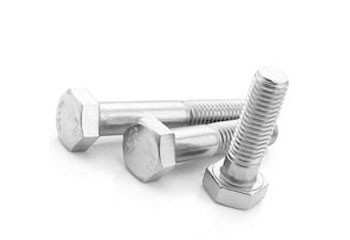
At first glance, heavy hex bolts resemble common hex bolts, but their design has a few important distinctions. The key difference is the larger hexagonal head, which provides increased bearing surface. This extra surface allows for greater wrench contact, reducing the likelihood of rounding or slippage during installation. The heavier body of the bolt also enhances its strength and durability.
These characteristics make heavy hex bolts particularly well-suited for environments where extreme loads, vibration, or environmental stressors are common. Whether holding structural steel plates together or securing heavy machinery components, these bolts are engineered to deliver unmatched reliability.
1. Heavy Hex Bolts in Structural Steel Construction
One of the most common and critical uses of heavy hex bolts is in structural steel applications. They are a standard fastener in:
- Steel-frame commercial buildings
- Industrial facilities
- Power plants
- High-rise structures
- Bridges
These applications rely heavily on the bolt’s strength to maintain the integrity of the overall structure. Heavy hex bolts used in structural steel are often manufactured to specifications such as ASTM A325 or A490, both of which require high tensile strength and consistent performance. The larger head size of heavy hex bolts helps distribute clamping force more evenly across steel surfaces, reducing the risk of material fatigue or failure.
In large-scale structural projects, these bolts serve as the cornerstone of secure, load-bearing connections that must withstand immense stress over time.
2. Essential for Heavy Machinery and Equipment Assembly
In industries such as mining, agriculture, construction, and manufacturing, equipment is subjected to extreme conditions—including heavy vibration, shock loads, and unpredictable stress. Heavy hex bolts are often the fastener of choice for assembling:
- Mining and drilling equipment
- Earth-moving machinery
- Agricultural implements
- Industrial manufacturing machines
The bolt’s robust design ensures it will not loosen or fail prematurely, even when exposed to constant vibration or intense operational forces. In machinery assembly, reliability is paramount, and heavy hex bolts provide a level of performance that lighter, standard bolts simply cannot achieve.
3. Critical for Pipeline and Pressure Vessel Applications
Pipelines and pressure vessels require fasteners that can maintain airtight, leak-proof seals under high-pressure and high-temperature conditions. Heavy hex bolts are commonly used to secure flanged joints, valves, and fittings in industries such as:
- Oil and gas
- Chemical processing
- Petrochemical refining
- Power generation
The additional bearing surface of the heavy hex head offers increased stability, reducing stress concentrations that could compromise the seal of a flanged joint. Materials such as ASTM A193 Grade B7 and B16 are frequently chosen for these environments due to their ability to maintain mechanical properties at elevated temperatures.
In critical applications where failure is not an option, heavy hex bolts play a vital role in maintaining system safety and efficiency.
4. Widely Used in Infrastructure and Public Works
Beyond industrial plants and steel structures, heavy hex bolts are also a mainstay in large-scale infrastructure projects. They can be found in:
- Highway guardrails and signage
- Water treatment systems
- Utility substations
- Railways and transit systems
- Municipal construction projects
Infrastructure must withstand long-term environmental exposure, heavy public use, and varying weather conditions. Heavy hex bolts deliver the strength, longevity, and corrosion resistance required for such demanding applications. When a secure, long-lasting connection is needed in public works, these bolts consistently rise to the challenge.
5. Trusted in Marine and Offshore Environments
Saltwater exposure, humidity, and continuous motion create one of the harshest environments for fasteners. Heavy hex bolts—especially when manufactured from stainless steel or corrosion-resistant alloys—are regularly used in:
- Shipbuilding
- Offshore oil platforms
- Marine equipment
- Dock construction
The larger head and stronger clamping force help ensure a secure connection, even when subjected to constant movement and corrosive conditions. For marine engineers and fabricators, heavy hex bolts offer the reliability and endurance essential for safety on both land and sea.
6. Ideal for High-Temperature and High-Pressure Conditions
Certain industries require fasteners that can perform under extreme temperatures and pressures. Heavy hex bolts made from specialty materials are used extensively in:
- Boilers
- Heat exchangers
- Steam lines
- Industrial furnaces
- Power plants
Grades such as B7 and B16 are specifically engineered for these conditions, maintaining strength and stability where ordinary fasteners would fail. Their ability to retain mechanical integrity under thermal stress makes them indispensable in high-temperature operations.
Why Choose Heavy Hex Bolts? Key Advantages
There are several reasons why engineers, manufacturers, and builders specify heavy hex bolts for their projects:
Superior Strength
The thicker shank and larger head offer increased tensile strength and greater load-bearing capacity.
Better Tool Engagement
The expanded head size reduces the risk of tool slip and rounding, allowing for more secure installations.
Improved Load Distribution
More bearing surface means stress is distributed more evenly across connected materials.
Enhanced Durability
Heavy hex bolts perform reliably in high-vibration, high-pressure, and high-temperature environments.
Versatility
Available in a wide range of materials and grades, they can be tailored to meet the unique demands of virtually any industry.
Conclusion
Heavy hex bolts are engineered for the toughest applications across construction, industrial manufacturing, energy production, marine environments, and heavy machinery. Their enhanced strength, larger head size, and durable construction make them essential wherever reliability and safety are paramount. Whether they are securing a structural steel frame, sealing a pressure vessel, or fastening components on heavy equipment, heavy hex bolts provide the long-lasting performance that modern industries demand.