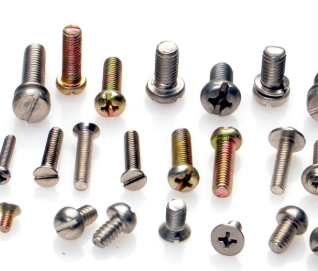
 SCREWS
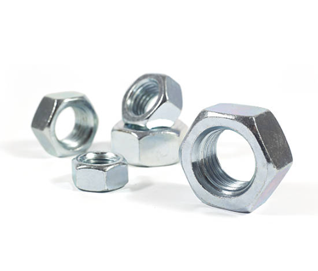 NUTS
NUTS
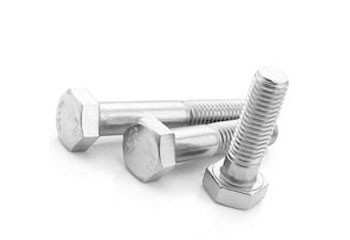 BOLTS
BOLTS
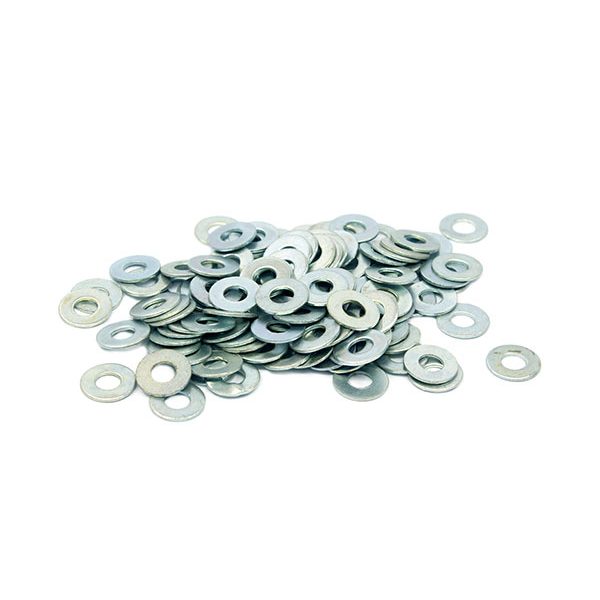 WASHERS
 SPACERS & STANDOFFS
 PRECISION/CUSTOM PARTS
 PINS
PINS
 WIRE HANDLING
 INSERTS
 ANCHORS
 DRILL BITS, TAPS, & DIES
 ABRASIVES & SAWBLADES
 SAFETY EQUIP.
 MISC.
MISC.
 MATERIAL TYPES
 PLATING TYPES
Captive Panel Screws: Their Purpose, Benefits, and Applications Across Industries
Created at : Dec 5, 2025
Captive panel screws play an essential role in countless products, machines, and systems that require secure fastening paired with easy, repeatable access. While they may appear simple, these specialized fasteners are engineered with unique features that prevent them from detaching from the panel or equipment in which they are installed. This makes them indispensable in industries where loose hardware could lead to equipment failure, foreign object damage, contamination, safety risks, or costly downtime.
In today’s manufacturing, aerospace, electronics, medical, and industrial environments, captive panel screws help solve the challenges of maintenance, safety, and efficiency. Below is a comprehensive look at their function, benefits, and where they are most commonly used.
What Are Captive Panel Screws?
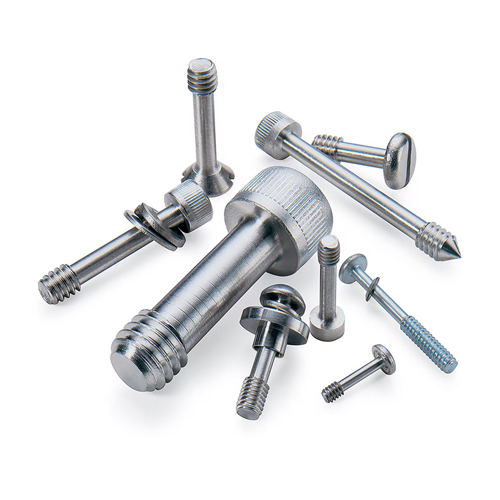
Captive panel screws are fasteners designed to remain attached to a panel, door, or access cover even when fully loosened. Unlike standard screws, which can fall out or be misplaced during disassembly, captive screws incorporate a retention feature—such as a shoulder, retainer clip, or spring mechanism—that keeps the screw secured to the panel.
These screws are engineered for repeated use, allowing technicians to access internal components without worrying about losing hardware or potentially allowing debris to enter sensitive systems. Captive screws are not only functional but also essential for regulatory compliance in specific industries where loose fasteners pose serious safety hazards.
How Captive Screws Work
The key element of a captive panel screw is its retention mechanism. This may include:
- Retaining washers or clips that hold the screw in place during removal
- Shoulders or undercuts that restrict the screw from backing completely out
- Self-clinching or pressed-in retainers used in sheet metal assemblies
- Spring-loaded designs that allow quick-access panels to be opened and closed without tools
The fastener is inserted through the panel—sometimes using a specialized retainer or self-clinching feature—and once installed, it cannot be removed without specific disassembly steps. This prevents accidental loss, improves workflow, and ensures consistent alignment every time the panel is reattached.
Primary Uses of Captive Panel Screws
1. Securing Access Panels and Covers
Access panels are everywhere—from electronic enclosures and telecom racks to HVAC units, industrial machines, and medical devices. These panels often require frequent inspections or servicing. Captive screws ensure the panel remains secure when closed but can be easily opened for maintenance, all without the risk of losing screws.
2. Preventing Lost Hardware
In industries like aerospace, medical manufacturing, and electronics, losing a single screw can result in contamination, equipment malfunctions, or safety violations. Captive screws eliminate this risk by preventing the hardware from detaching.
In aviation and defense sectors, this is especially critical: even a small piece of loose hardware can lead to foreign object damage (FOD), potentially endangering equipment or personnel. Captive screws provide an effective safeguard against such problems.
3. Ensuring Safety and Compliance
Many regulatory standards require the use of captive hardware where loose components could become hazardous. For example, medical equipment must not allow fasteners to fall into sensitive internal areas, and industrial machinery must avoid hardware dropping into moving mechanisms. Captive screws help manufacturers meet compliance requirements while improving equipment reliability.
4. Speeding Up Maintenance and Assembly
Captive panel screws allow technicians to open and close equipment quickly—sometimes without tools—making them ideal for applications that require frequent service. Eliminating the need to track and manage loose fasteners reduces maintenance time and streamlines assembly processes. In high-volume production environments, these time savings translate directly into improved efficiency and lower operational costs.
5. Maintaining Proper Panel Alignment
Many captive screws are designed to help guide the panel into the correct position during reassembly. Features such as knurled heads, shoulder stops, and integrated retainers keep the screw aligned, ensuring consistent fastening pressure and reducing wear on components.
Key Advantages of Captive Screws
Reduced Risk of Damage or Contamination
Captive screws eliminate concerns about hardware falling into sensitive systems, where even a small screw could damage internal components.
Enhanced Reliability in High-Vibration Environments
Applications such as transportation, heavy machinery, and aerospace equipment need fasteners that resist vibration. Captive panel screws often incorporate vibration-resistant features to maintain secure fastening.
Increased Worker Efficiency
Because captive screws remain attached to the panel, technicians spend less time searching for and installing hardware, making maintenance more efficient and predictable.
Improved Product Longevity
Proper panel alignment and secure fastening reduce wear and tear on components, enhancing the durability and reliability of the overall system.
Common Industries and Applications
Captive panel screws are found across virtually every manufacturing and technology sector. Some of the most common applications include:
Electronics & Server Racks
Server cabinets, computer enclosures, and telecom equipment frequently use captive screws to ensure fast, tool-less access for technicians while preventing dropped or lost fasteners.
Industrial Machinery
Machine guards, equipment covers, and access doors rely on captive screws to keep operators safe and streamline equipment servicing.
Medical Devices
In cleanroom and medical environments, contamination from lost hardware can compromise product sterility. Captive screws provide secure access while maintaining hygienic standards.
Aerospace & Defense
Captive screws are widely used in aircraft interiors, avionics, and military equipment where FOD prevention is critical.
HVAC and Mechanical Systems
Panels covering filters, valves, and control components are often accessed frequently, making captive panel screws ideal for technicians in the field.
Types of Captive Panel Screws
Captive screws come in a variety of designs tailored to specific applications:
- Thumb screws for tool-free operation
- Phillips or hex drive machine screws for secure fastening
- Quarter-turn captive fasteners for quick access
- Self-clinching captive screws for sheet metal assemblies
- Spring-loaded captive screws for high-cycle panels
The choice depends on the required strength, frequency of access, environment, and material compatibility.
Conclusion
Captive panel screws may seem like small components, but they play a critical role in improving safety, efficiency, and reliability across industries. By preventing hardware loss, maintaining secure fastening, and enabling quick access to internal components, these screws provide significant advantages over standard fasteners. Whether used in aerospace applications, industrial machinery, medical devices, or telecommunications equipment, captive panel screws are an essential solution for securing panels and covers without the risks associated with loose hardware.